

If you’ve spent any time on a warehouse floor, you know it’s the heartbeat of the whole operation. There’s a constant rhythm of goods moving in and out, forklifts beeping, and teams working hard to get orders out the door. But after spending over a decade helping companies optimize their spaces and rank better online, I’ve learned one universal truth: a fast warehouse only stays fast if it’s a safe warehouse.
We have specific safety standards here in New Zealand for a reason. It’s not just about keeping WorkSafe happy. It’s about making sure your team goes home to their families exactly the way they arrived. Let’s walk through the reality of keeping your facility safe, compliant, and actually functioning.
1. The Legal Reality: Are You The PCBU?
Look, nobody wakes up excited to read the Health and Safety at Work Act 2015. But we have to talk about the "PCBU" thing.
Person Conducting a Business or Undertaking. If your name is on the lease, or if you manage the site, that's you. It means the buck stops with you. Your job is to keep everyone on site safe—your full-time crew, the temp workers, and the courier dropping off a package.
It really boils down to this:
- Find the risks.
- Fix them.
- If you can't fix them, manage them.
Simple as that. And honestly? When you can confidently show clients that you run a tight, safe ship, it builds a massive amount of trust.
2. The Big Hazards (And How to Actually Fix Them)
Every facility has its quirks. But after years of site visits, here are a few culprits we see time and time again. Here is how to handle them.
Forklifts vs. Foot Traffic
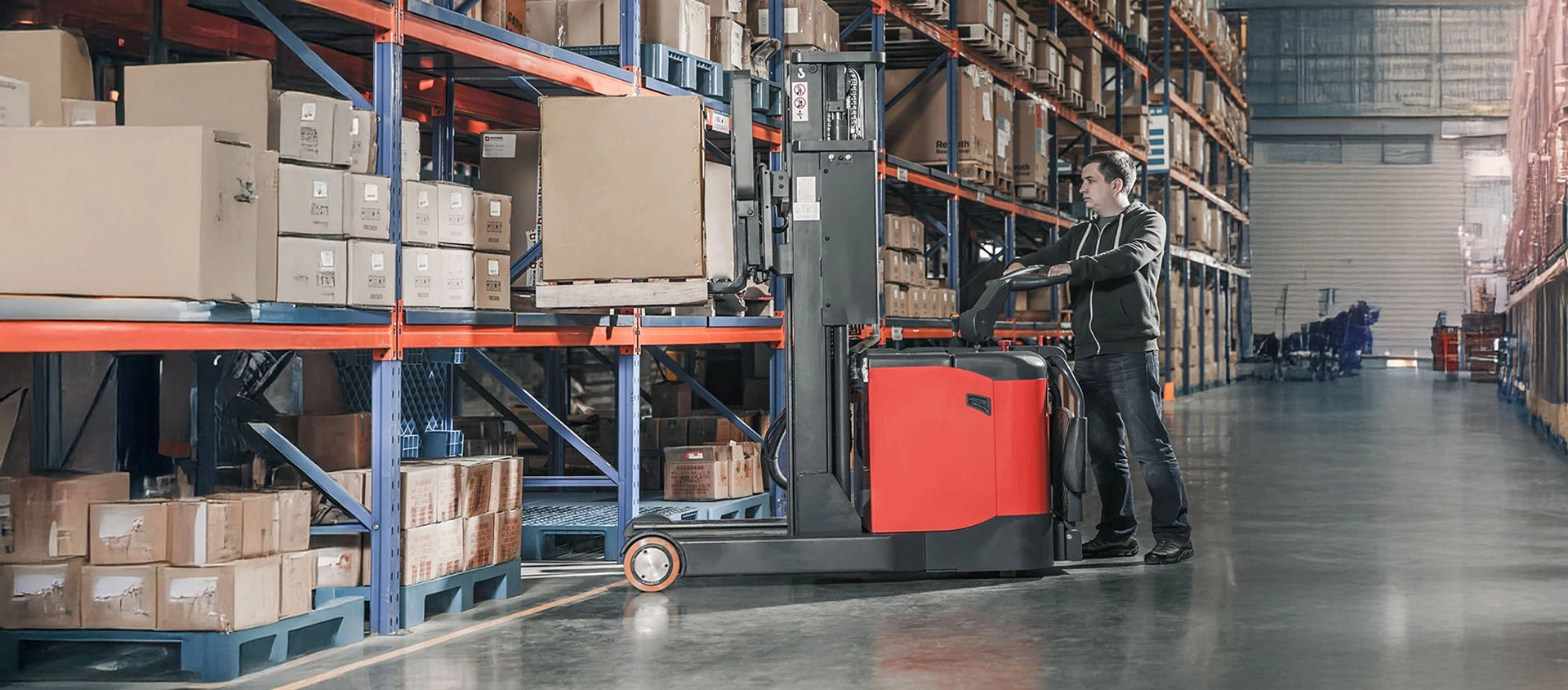
Forklifts. Can't live without them. But they are a nightmare when pedestrians are involved.
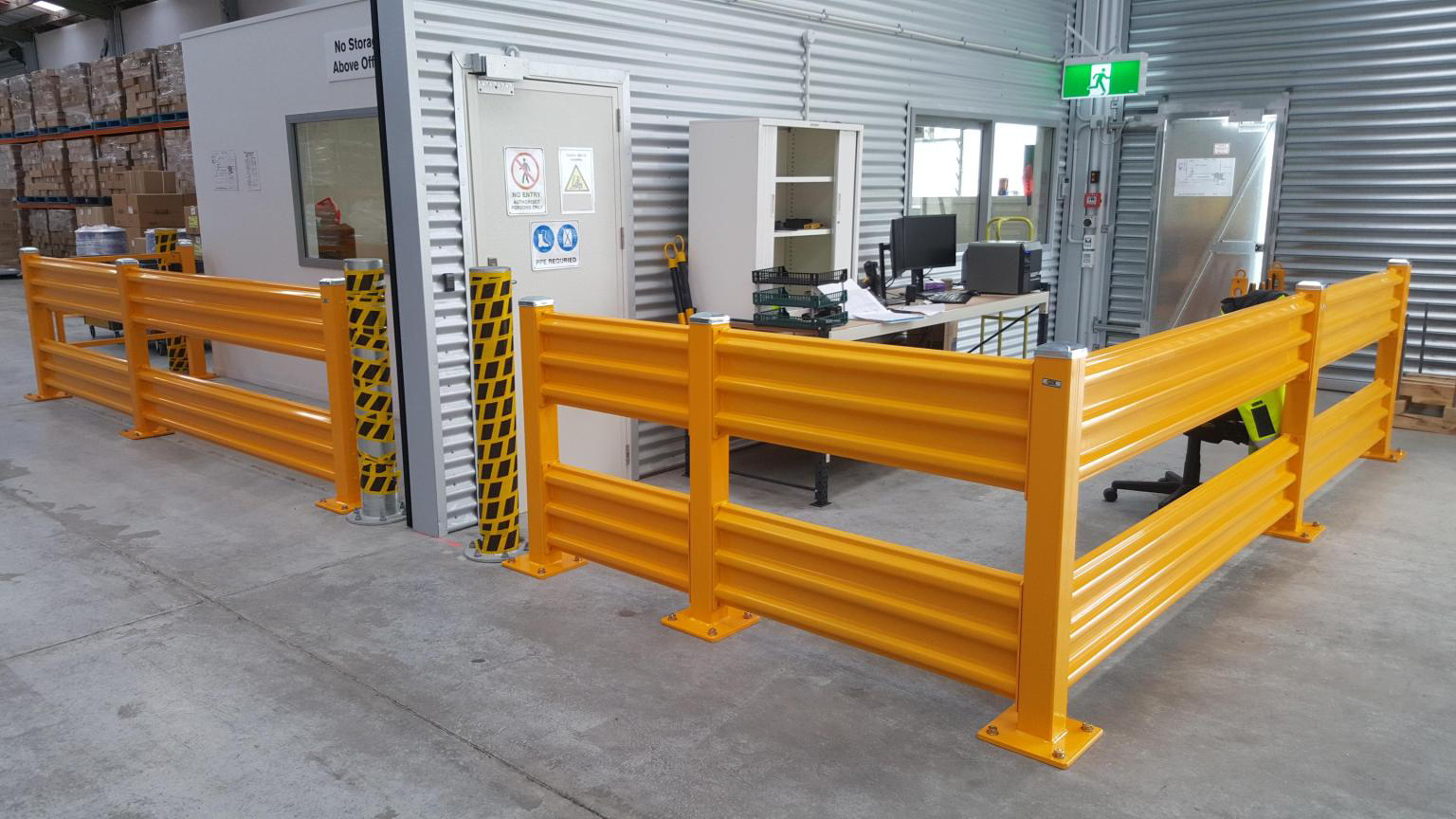
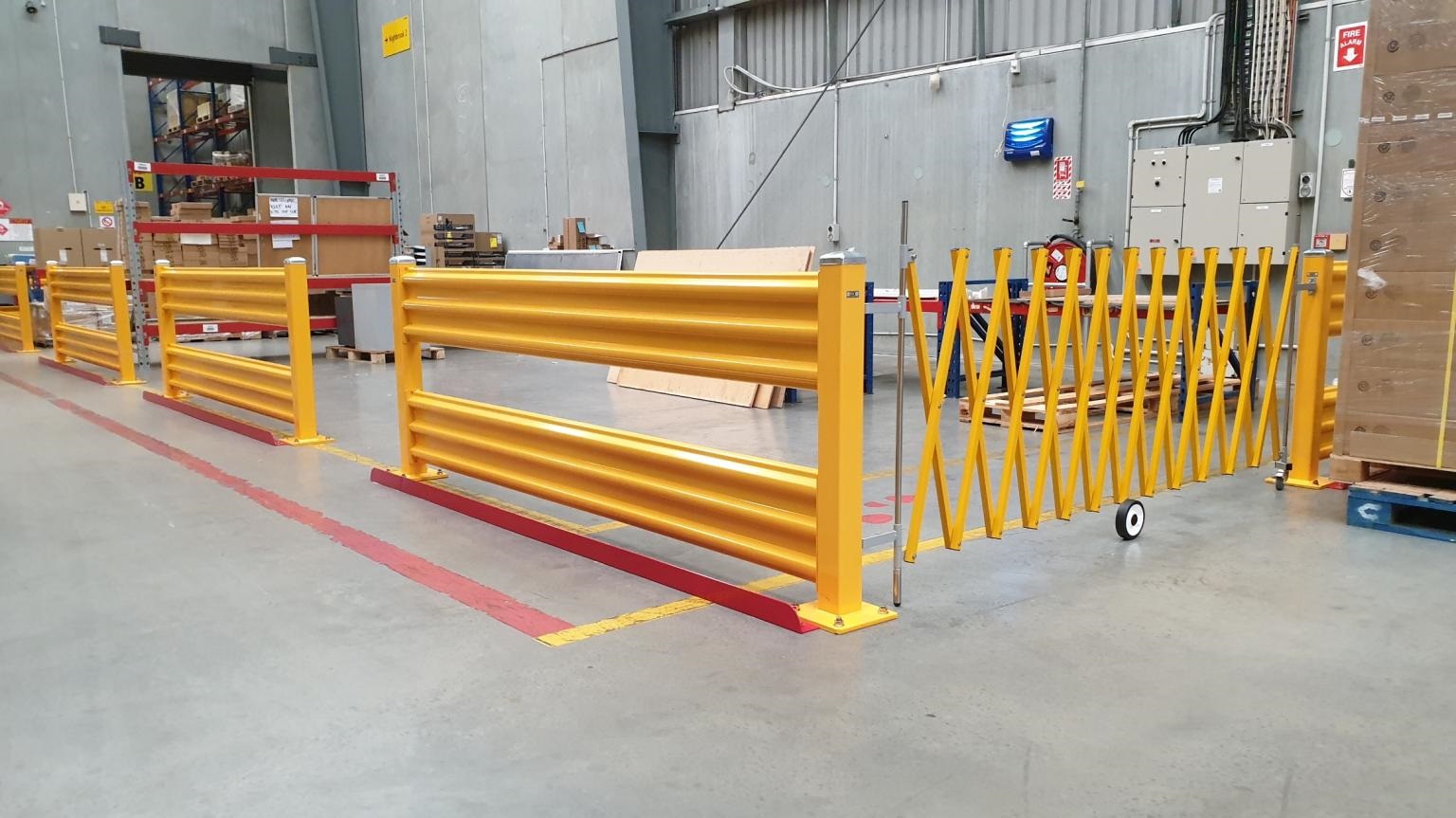
The Fix: Paint the lines. Put up the physical barriers. Keep the foot traffic completely separate from the machinery. And enforce your indoor speed like your life depends on it. Because someone's does
Note: For forklifts, the ACOP refers to operators observing "plant speed limits," placing the onus on the company to define an appropriate speed limit based on the hazards in the working zone.
Racking in Earthquake Country
We live on a fault line. Buying cheap, off-the-shelf racking from overseas and hoping for the best is a gamble you will lose. A minor 4.0 rattle can warp cheap steel faster than you'd think.
The Fix: To ensure site safety and legal protection, your racking must go beyond basic utility and meet rigorous structural standards:
- Engineering & Certification: Racking must be designed by specialists and certified by a qualified structural engineer. This process involves Producer Statements (PS1) to prove the system can handle seismic loads and weight capacities.
- Legal Mandates: Under the NZ Building Code, obtaining a building consent for racking installation is a legal requirement. This ensures the installation aligns with NZS 1170.5 (Structural design actions - Earthquake actions).
- Clear Documentation: Weight limits and load ratings must be clearly displayed at the end of every aisle. These aren't just suggestions; they are engineered limits that prevent catastrophic failure.
The Daily Grind
The everyday stuff is what actually drains your sick leave balance. It's not always the catastrophic accidents. It's Dave from dispatch pulling a hamstring lifting a 25kg box of brackets from floor level.
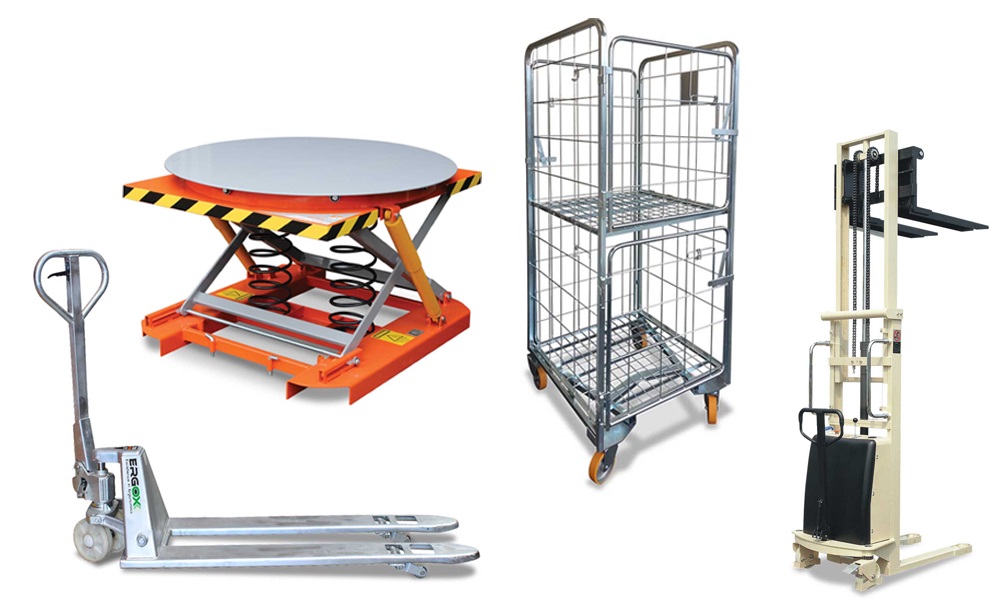
- The Fix: Let the machines do the heavy lifting. Get pallet trucks. Get vacuum lifters. Put your fastest-moving stock right in the "strike zone"—between knee and shoulder height. Stop making your team bend over backwards. Literally.
Trips, Slips, and Access
Safety doesn't start at the roller door—it starts in the carpark.
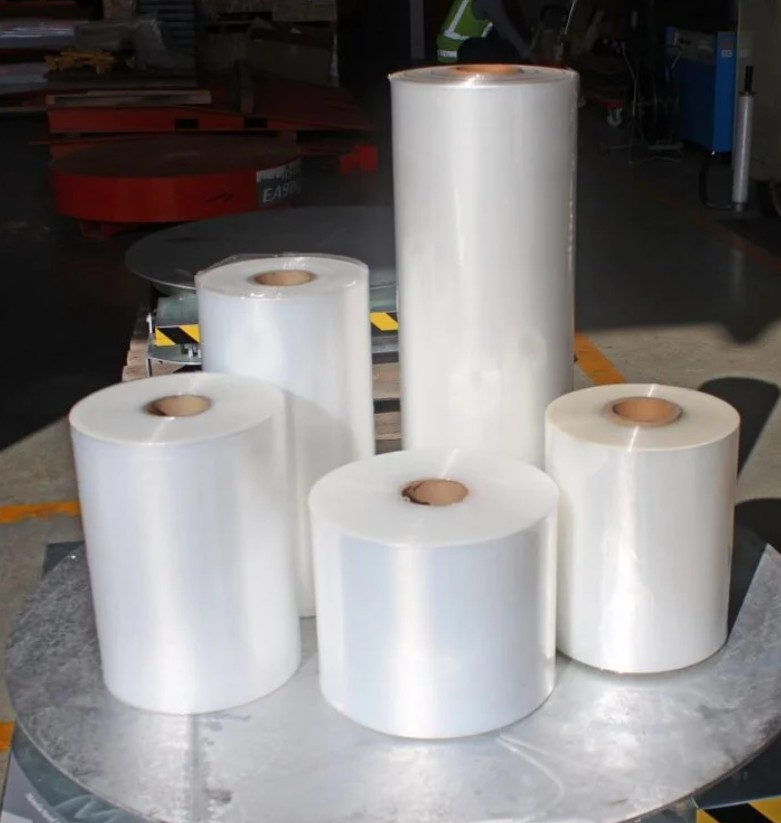
You need smooth, accessible pathways right up to the entrance. (If you're building or renovating, NZS 4121:2001 is your rulebook here for accessibility). Once you're inside? The biggest risks are the loose shrink wrap. The spilled oil from a leaky jack. The packing tape snaking across the aisle.
- The Fix: Adopt a strict "clean-as-you-go" rule. If you drop it, pick it up. Make sure the lighting is bright enough that nothing is hiding in the shadows.
3. Building a Culture of Looking Out for Each Other
You can buy all the fancy barriers and seismic racking you want. But if your team thinks you care more about speed than them, you've already lost.
- Celebrate "Near Misses": A near miss is a free lesson. If someone points out a wobbly rack or a blind corner, thank them. Don't punish them for slowing things down.
- Talk About It: Have a 5-minute huddle in the morning with a coffee. Talk about the plan for the day. It builds a culture where people actually watch each other's backs.
Why Bother?
Why put so much effort into this? Because it makes your business better. Period.
Less downtime. Fewer ACC claims. Operations run smoother. And in a market where finding good staff is brutally hard, people actually want to work for a company who treats them like human beings, not just cogs in a machine.
Wrapping Up
Getting warehouse safety right in New Zealand doesn't have to be overwhelming. It’s about making a continuous, genuine commitment to WorkSafe standards and treating your team's well-being as your top priority. When you do that, the efficiency, trust, and growth naturally follow.
Looking for some practical help getting your facility up to standard? At Astrolift, we specialize in NZ-compliant warehouse solutions. Contact our expert team today to make sure your space is as safe and efficient as it can possibly be.