

Walk outside your facility and look at the public road. You’ve got stop signs, speed limits, painted lines, and pedestrian crossings. Everyone knows the rules. If someone breaks them, there are consequences.
Now look inside your warehouse. You’ve got 3-ton forklifts, delivery trucks backing into tight docks, and staff on foot carrying paperwork. Does everyone in there know the rules?
A lot of health and safety managers use “Traffic Management Plan” (TMP) as a catch-all term. But a TMP usually deals with public roads outside your gate. When you are talking about the wild west of your internal yard, loading docks, and warehouse aisles, you need a VMP - a Vehicle Management Plan.
Here is what a VMP actually is, and why WorkSafe expects you to have one.
What is a VMP? (More Than Just Paperwork)
Think of a VMP as the official Road Code for your specific site.
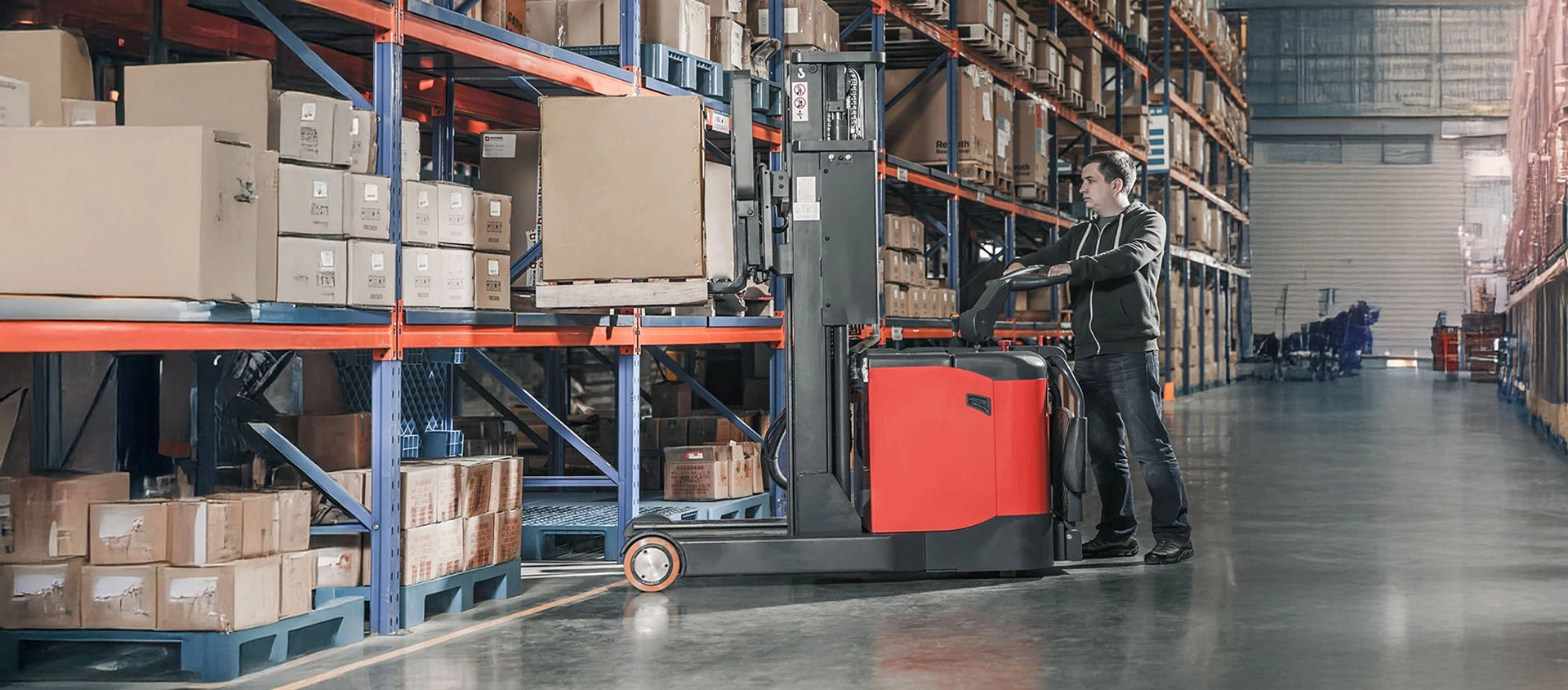
It is a living, breathing set of rules that defines exactly how vehicles, machinery, and people interact on your property. It looks at the heavy freight trucks pulling in from the highway, the counterbalance forklifts loading them, the electric reach trucks in the racking aisles, and the courier dropping off a small parcel at the front desk.
If it moves on your site, the VMP dictates how it moves safely.
The Anatomy of a Good VMP
We’ve reviewed a lot of safety documents over the years. The bad ones sit in a binder gathering dust. The good ones actually change how a site operates. A solid Vehicle Management Plan covers three main bases.
- Identifying the Hot Zones
The first step of a VMP is an honest risk assessment of your layout. Where do your vehicles and pedestrians cross paths?- Do delivery drivers have to walk across an active loading dock to hand over their paperwork?
- Are your forklifts using the same roller door as your shift workers?
- Is there a blind corner where the reach trucks come out of the racking?
- The Physical Layout (The Hardware)
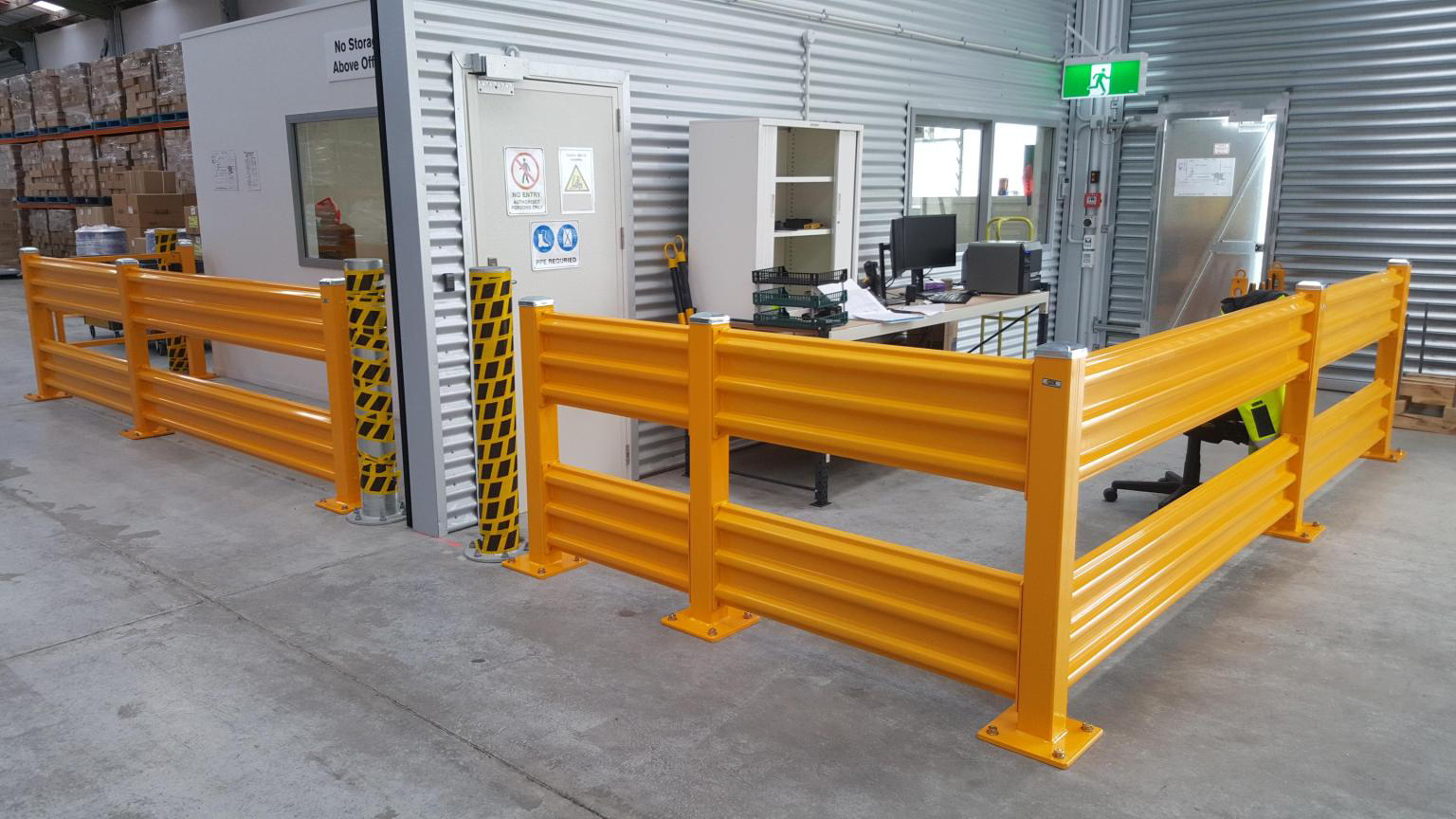
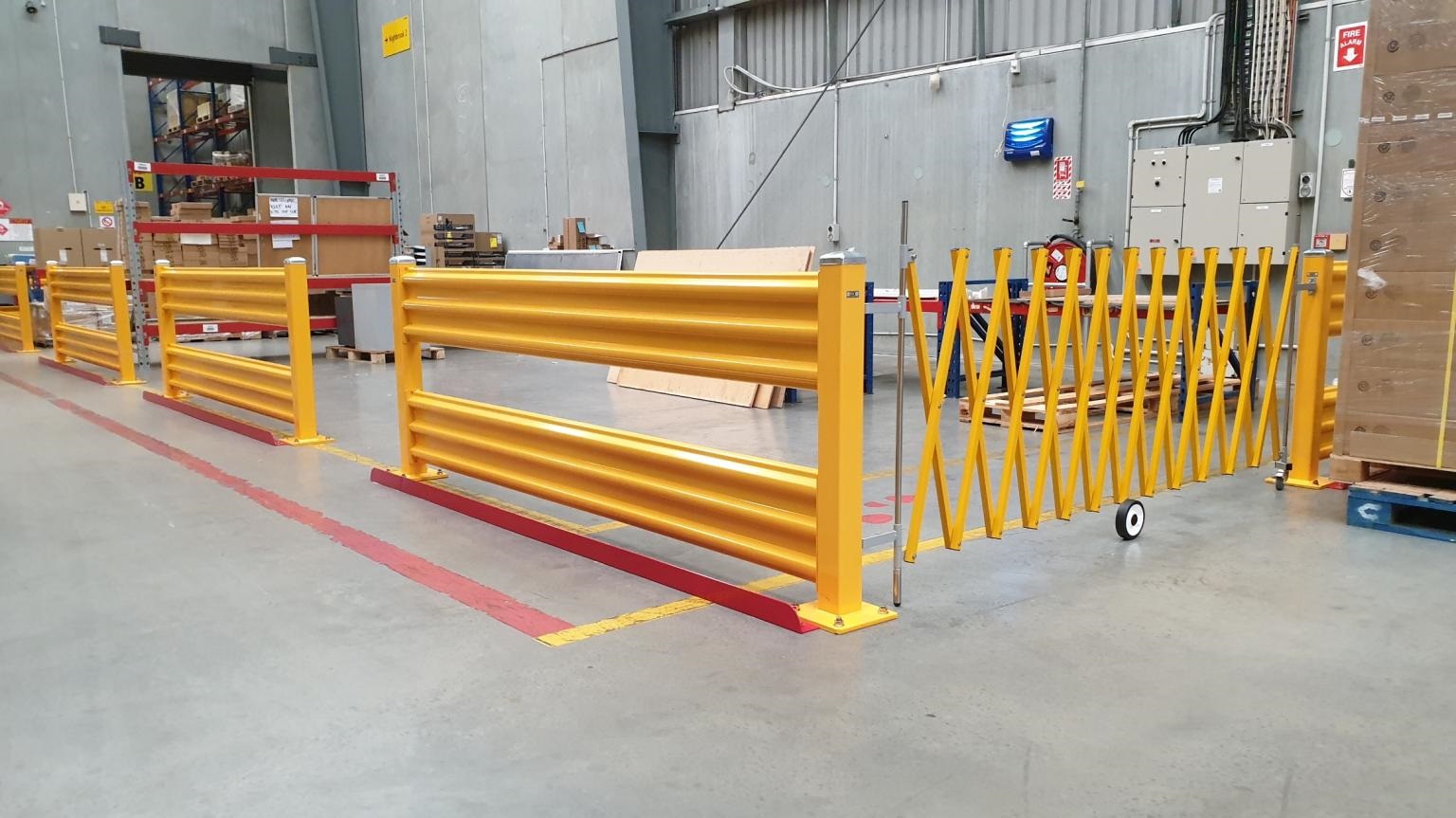
Once you know where the risks are, your VMP outlines the physical changes needed to fix them. This ties directly into your traffic management barriers. It dictates where the heavy-duty cast-in bollards go, where the pedestrian walkways are painted, and where the self-closing gates need to be installed. - The Rules of EngagementThis is the behavioural side. Hardware alone won’t save you. Your VMP sets the absolute non-negotiables.
- The 3-Metre Rule: if a forklift mast is in the air, nobody steps within 3 metres. No exceptions.
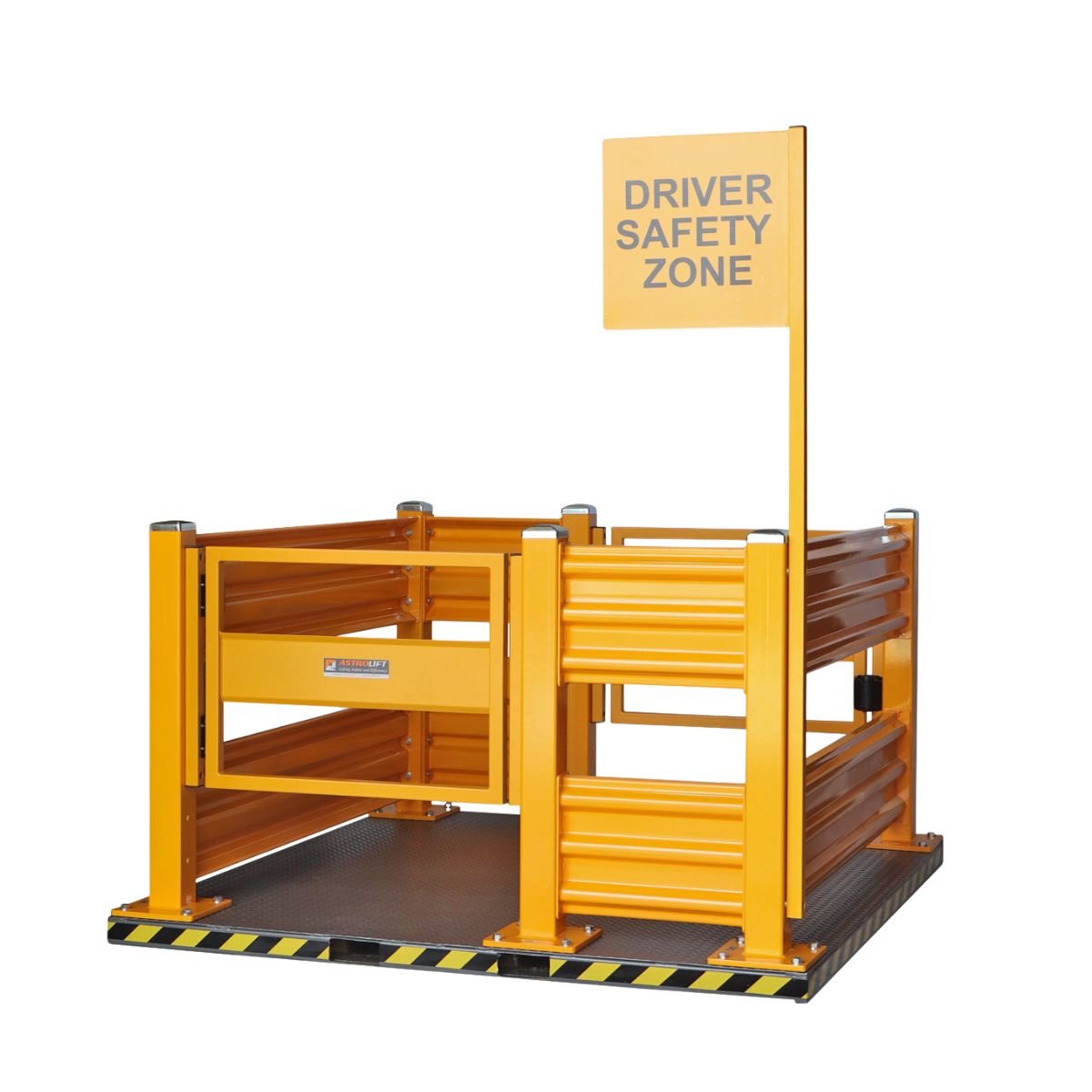
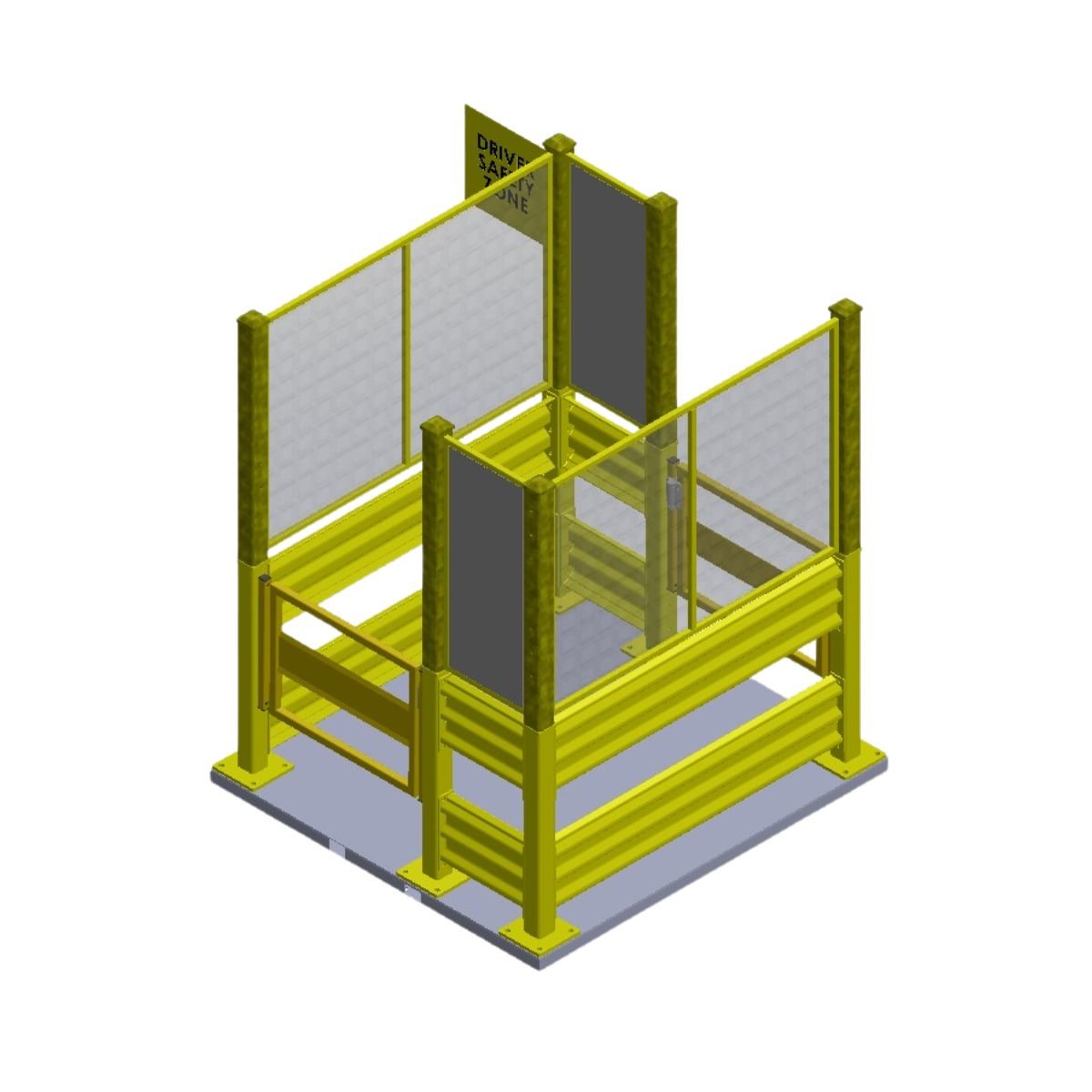
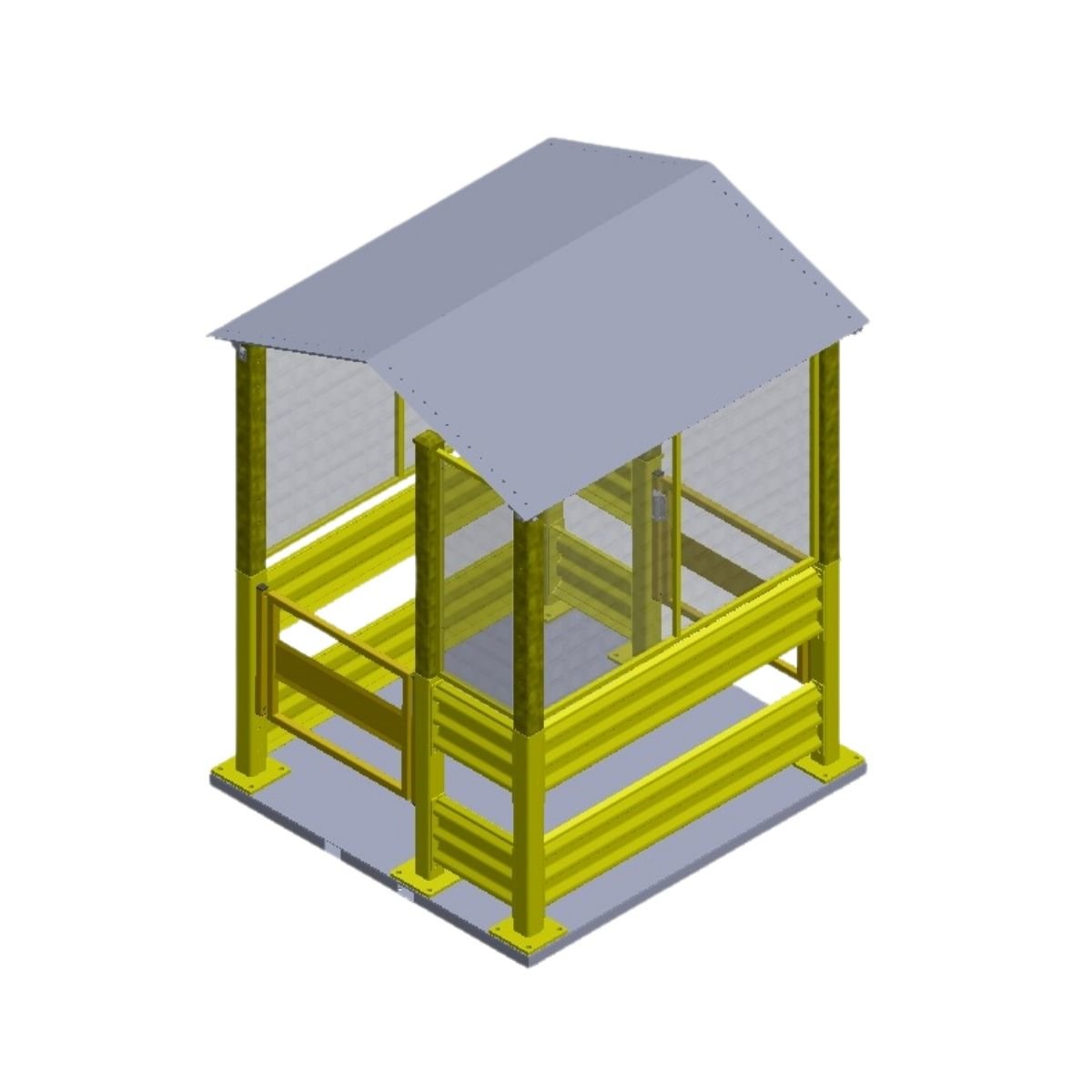
- Driver Containment: When a B-Train truck pulls into the yard, does the driver stay in the cab? Or is there a designated, barriered “safe zone” they must stand in while being unloaded?
- Speed Limits: New Zealand's ACOP only specifies a 5km/h speed limit for pedestrian-operated pallet jacks. For forklifts, the responsibility lies with the company to set and enforce a "plant speed limit" that reflects the actual hazards of the zone.
Why Worksafe NZ Actually Cares
Since the Health and Safety at Work Act (HSWA) 2015 came into play, the days of just telling your crew to “keep their head on a swivel” are completely over.
As a PCBU, you have a legal duty to manage risks. WorkSafe’s data consistently shows that mobile plant (forklifts, trucks, loaders) interacting with pedestrians is a leading cause of severe workplace injuries.
If an accident happens on your site, the first thing an investigator will ask for is your VMP. If you can’t provide a documented, up-to-date plan that proves you assessed the vehicle risks and put controls in place, you are in serious legal trouble. A VMP proves your due diligence.
Don't Let it Gather Dust
A VMP is useless if nobody knows what it says.
Every new staff member needs to be inducted. Every contractor or visiting truck driver needs to understand the rules before they throw their rig into reverse. It needs to be the foundation of
your site inductions and your morning toolbox talks.
Building a VMP from scratch can be a headache, but you don't have to guess. At Astrolift, we understand how heavy machinery and people move. We can help you identify your site's risks, supply the physical barriers to separate them, and help you build a layout that actually works. Talk to our safety experts today and let's get your site sorted.