

Pedestrian Barriers NZ: What They Are, Where They Go, and How to Get It Right
Nobody comes to work expecting to get hurt. But in a busy warehouse or industrial facility, the gap between a normal day and a serious incident can be smaller than most people realise — especially where forklifts and people share the same space.
At Astrolift, we’ve noticed a consistent trend: 80% of our customers recognise the importance of getting safety right from day one, yet many come to us mid-operation. They find themselves retrofitting solutions into a layout that was never originally designed with people-and-vehicle separation in mind. It’s a common challenge, but it’s one that can be solved with a strategic approach.
And if you're trying to figure out what you actually need, we're here to help you work through it.
So, What Are Pedestrian Safety Barriers?
At their core, pedestrian safety barriers are physical structures that keep people separated from vehicles, machinery, and hazardous zones. In a warehouse setting, that usually means creating clearly defined walkways so your team isn't sharing the same path as a forklift travelling at speed.
But they do more than just block things off. A well-planned barrier system organises your entire facility — it tells people where to walk, tells vehicles where to go, and removes the guesswork that leads to near-misses. Done right, it also shows your team that safety isn't just a poster on the wall. It's built into the place they work.
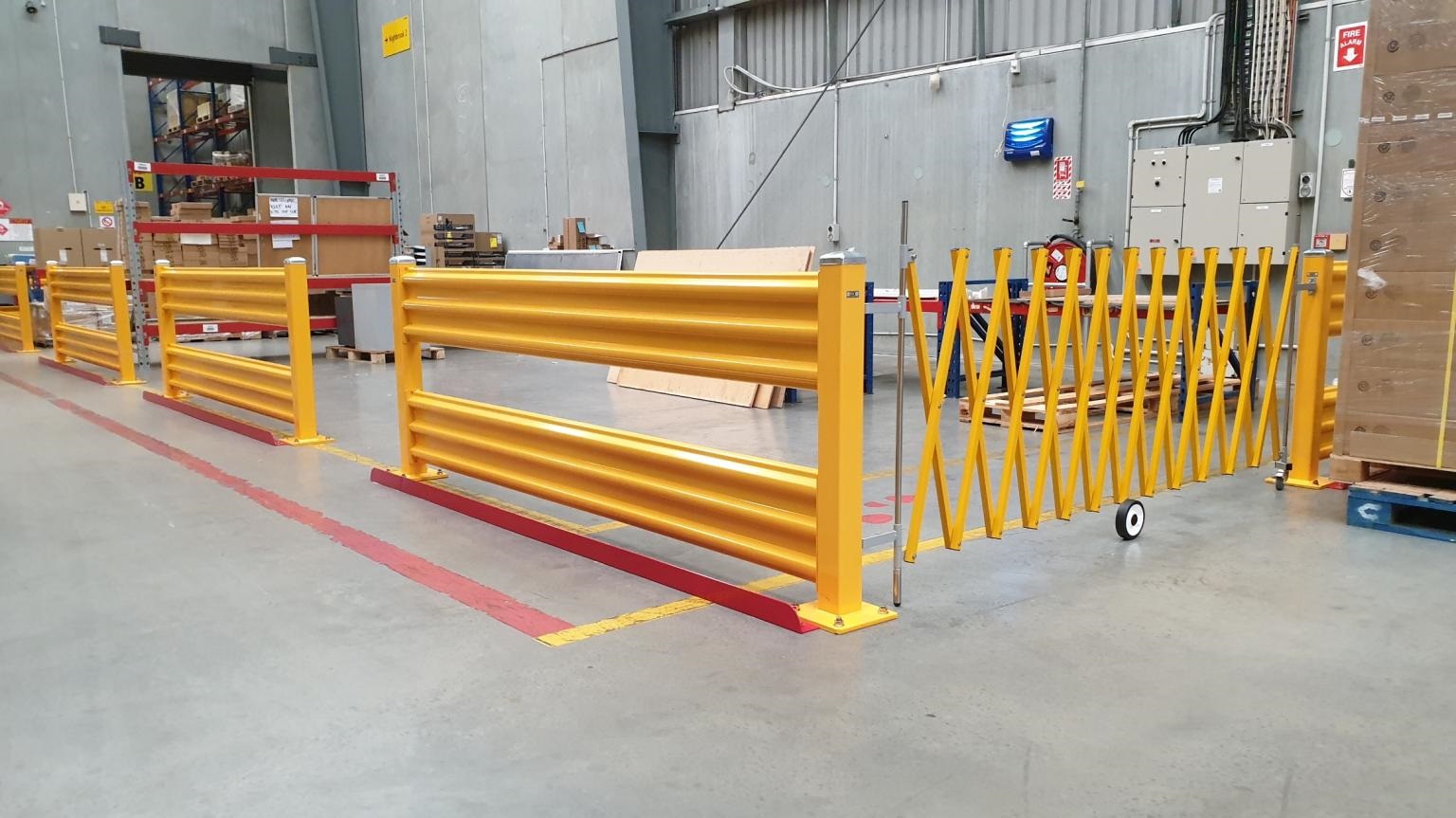
Barriers come in a few different materials — steel tubing, flexible polymer, galvanised steel — and they can be permanent or temporary depending on what your site needs.
Where Should You Be Installing Them?
This is the question that trips most people up. It's not just about ticking a compliance box — it's about genuinely thinking through where the risk is in your facility.
Here are the spots we see come up most often:
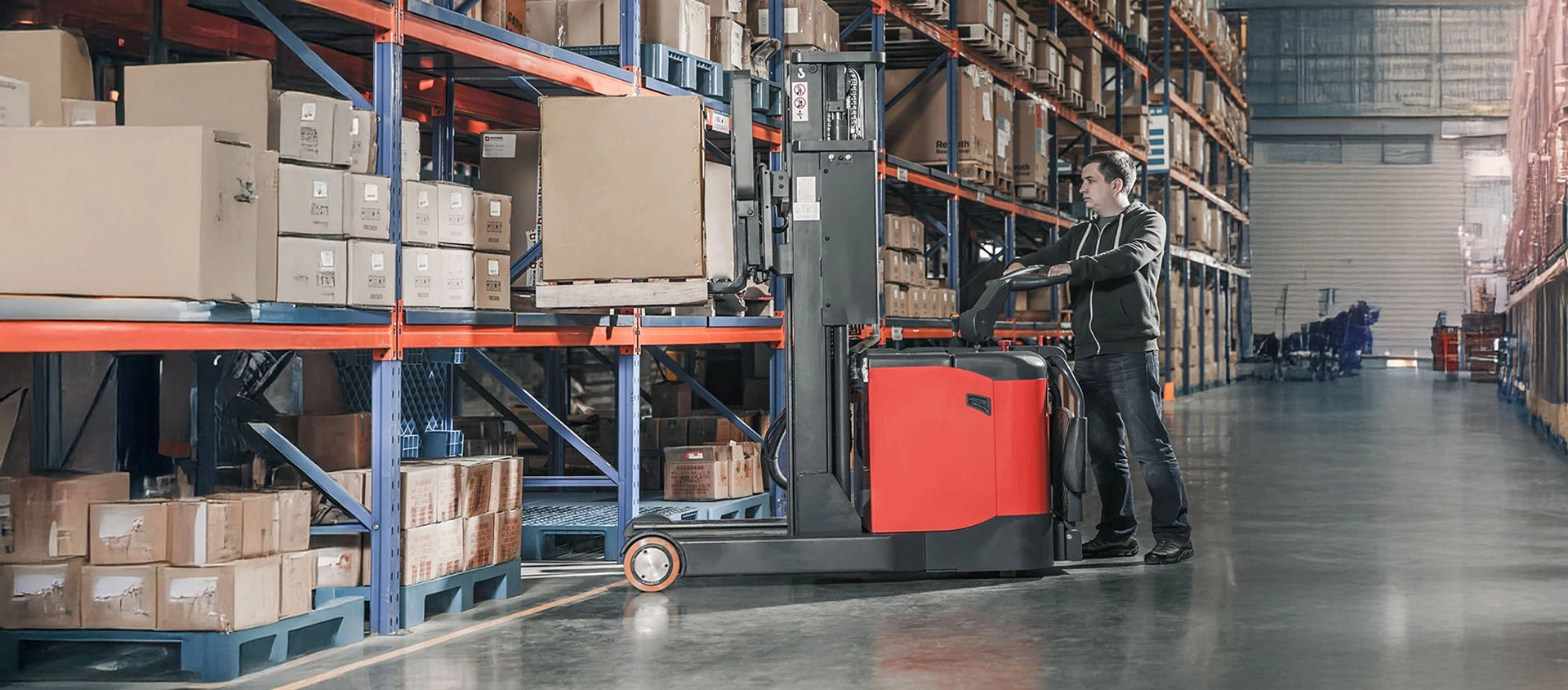
Forklift and vehicle routes. If a forklift travels through it regularly, there should be a clear physical separation between that path and where your people walk. Every time.
Entry and exit points. These are some of the most dangerous spots in any warehouse. People are coming and going, vehicles are moving — and everyone's focused on where they're heading, not who's stepping out in front of them.
Loading docks. Busy, loud, often cramped. Trucks reversing, forklifts loading, staff on foot. Barriers here aren't optional — they're essential.
Blind corners and aisle intersections. If you can't see what's coming, neither can the person driving. Barriers keep pedestrians from stepping into the unknown.
Around machinery (AS/NZS 4024 Compliance). Any piece of equipment that poses a risk needs to be clearly separated. When protecting machinery, you aren’t just preventing a collision; you are often meeting the AS/NZS 4024 standard for the safety of machinery. Proper guarding ensures that workers cannot accidentally access dangerous moving parts.
Designated walkways. Don't just define where vehicles go — define where your people walk. When the route is obvious and protected, shortcuts through danger zones stop happening.
INDUSTRY STANDARDS AND COMPLIANCE
It’s important to look beyond just "installing a fence." In New Zealand, we look to standards like PAS 13:2017 for best practices in barrier resilience and placement. Additionally, for any barrier system used to protect staff from mechanical hazards, ensuring your setup aligns with AS/NZS 4024 (Machine Guarding) is a critical step in demonstrating your commitment to site safety and regulatory compliance.
What Types of Barriers Are Out There?
Good news: there's no shortage of options. The trick is matching the right barrier to the right situation, rather than just going with whatever's cheapest or easiest to install.
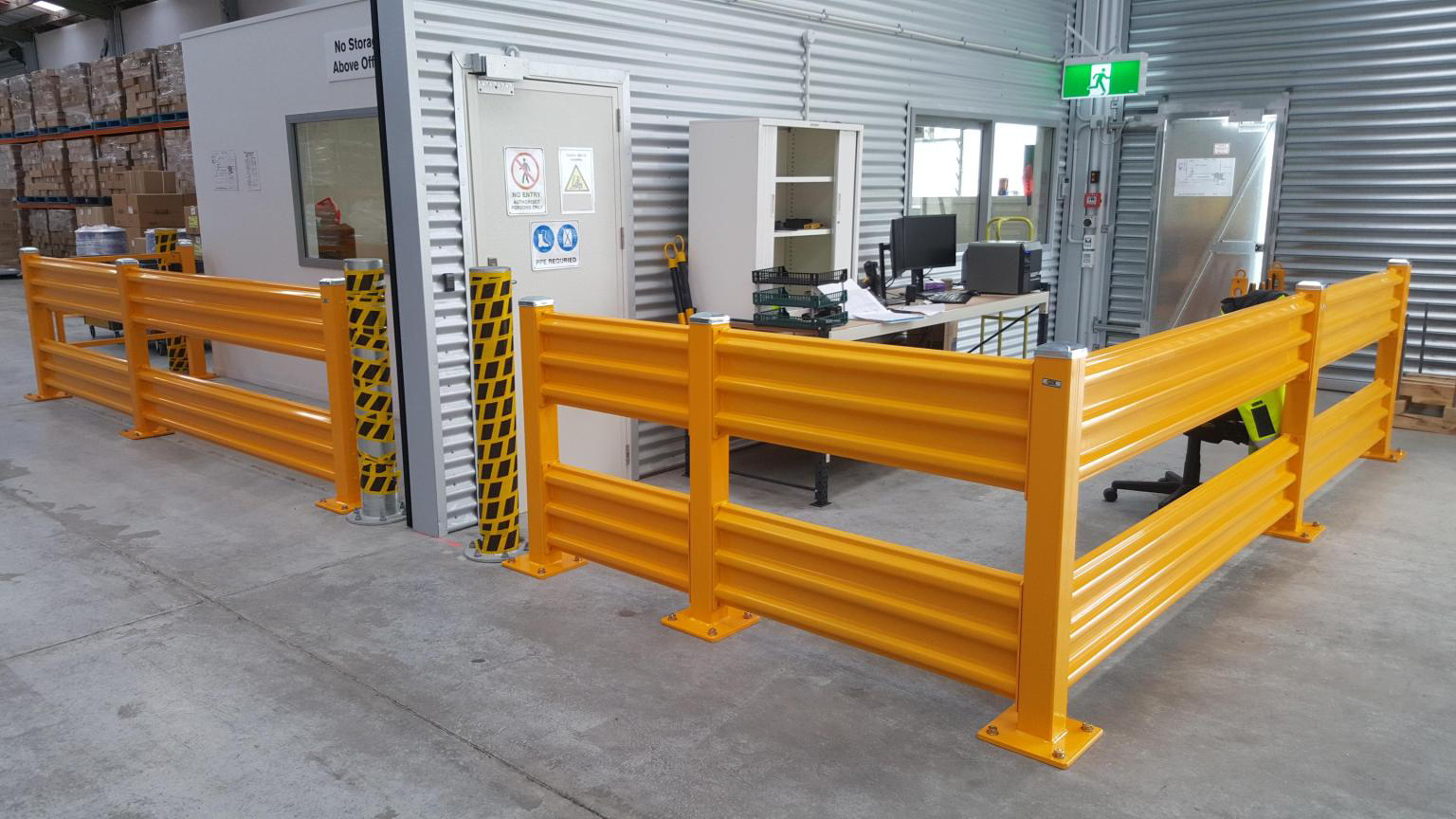
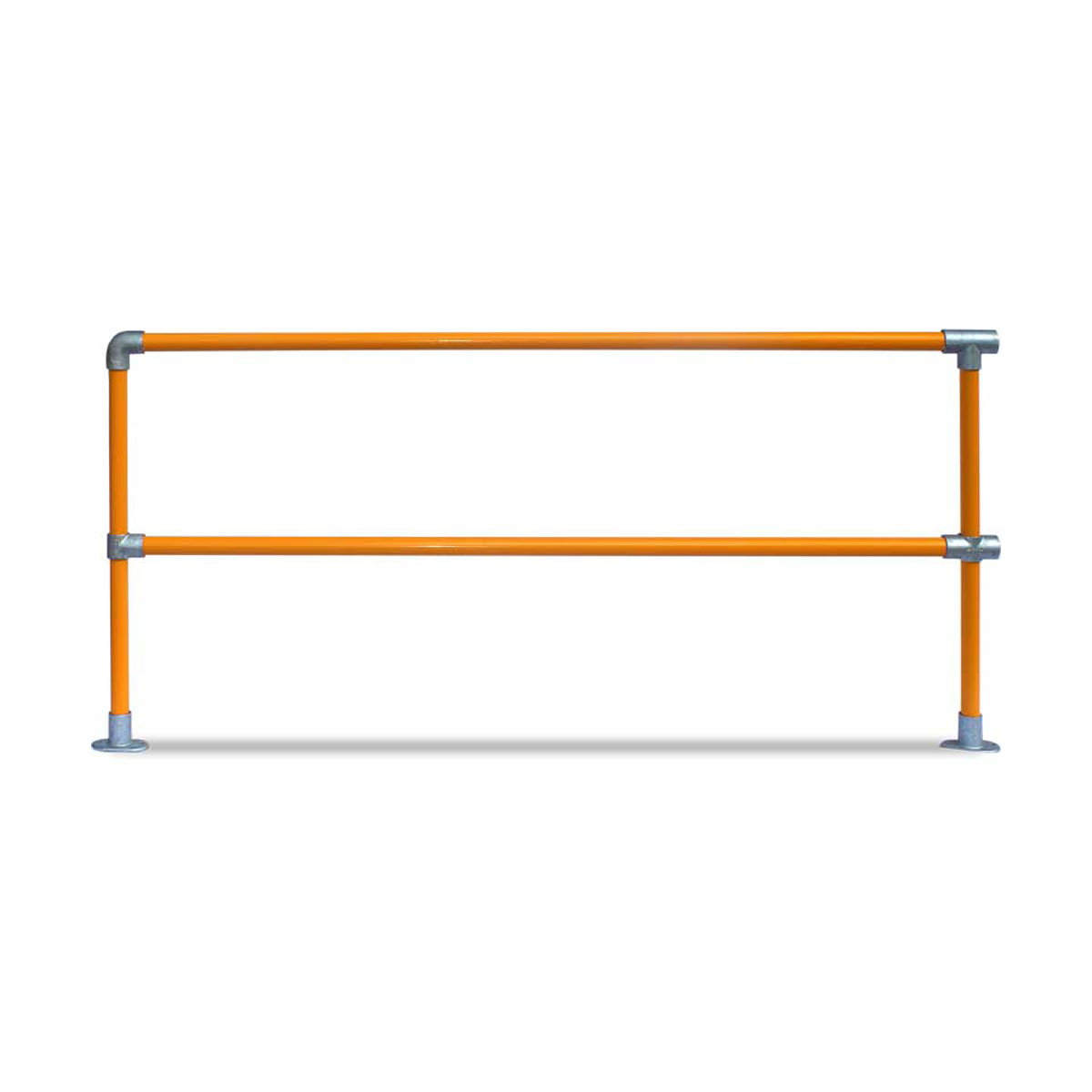
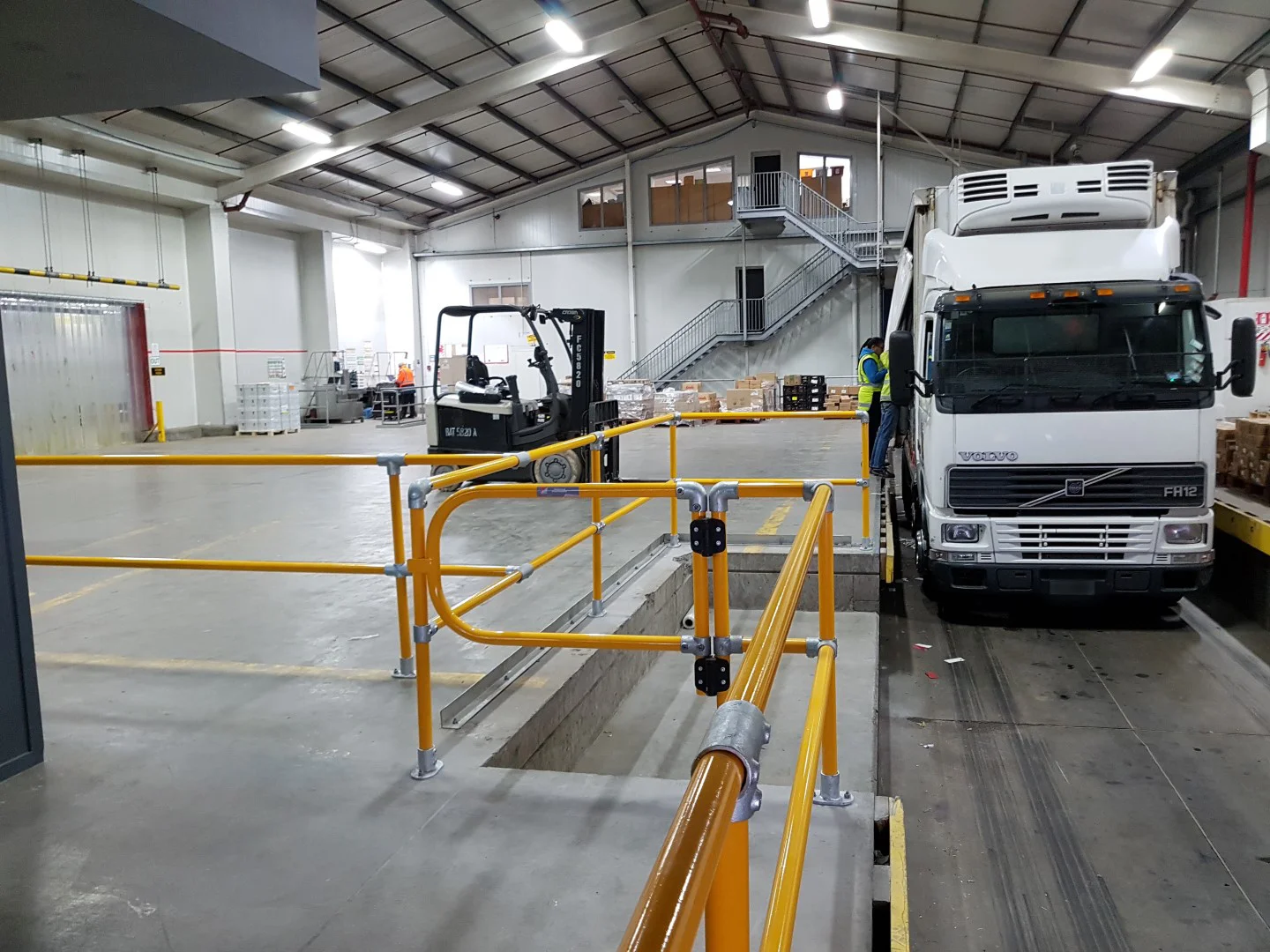
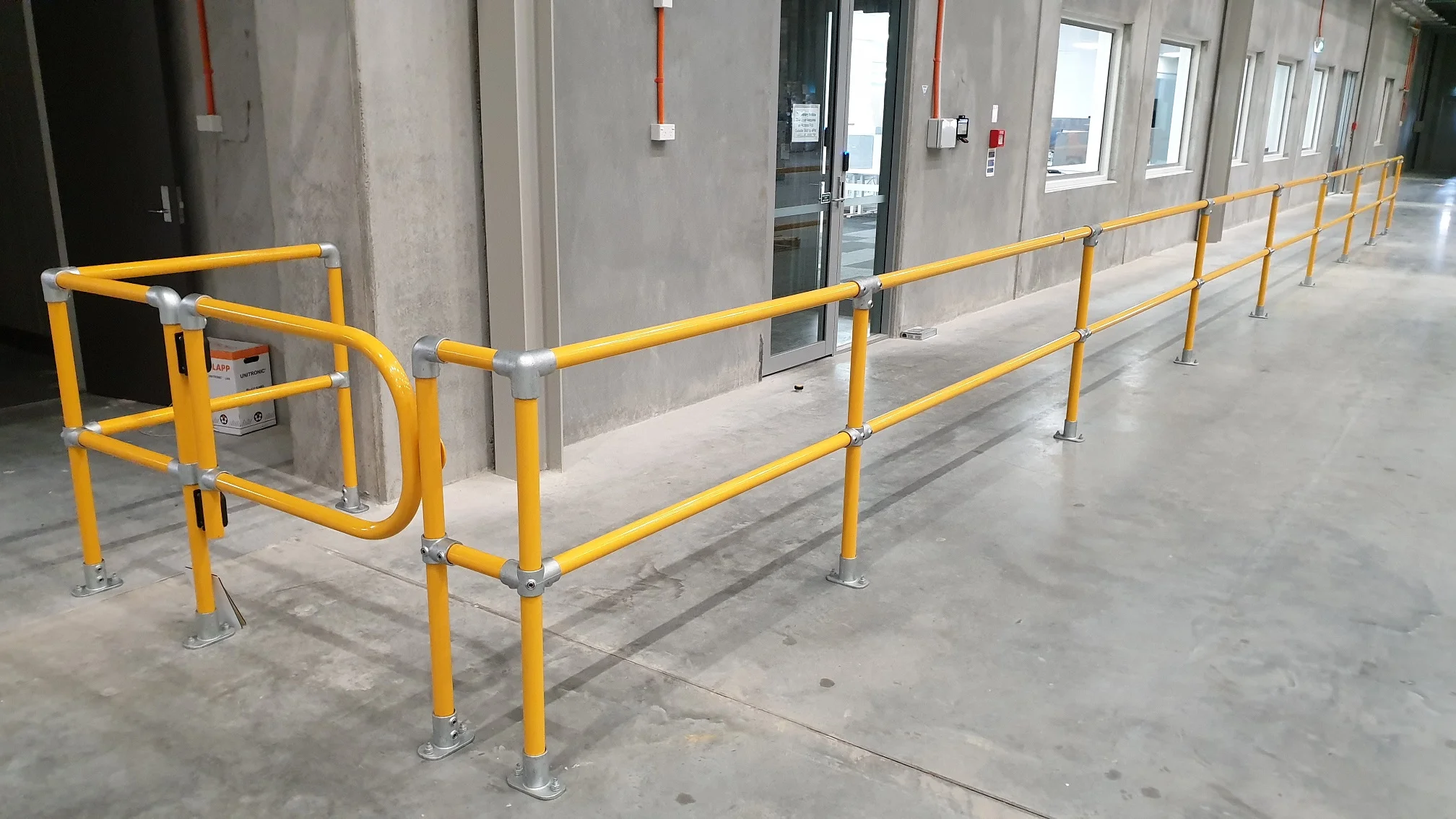
Steel Tubing Barriers These are the tried-and-true option — solid, visible, and built to last. Steel barriers are ideal for permanent installations in high-traffic areas. They come in powder-coated or galvanised finishes, so they hold up well in tough environments. If you want something robust that's going to stay put, steel is a strong starting point.
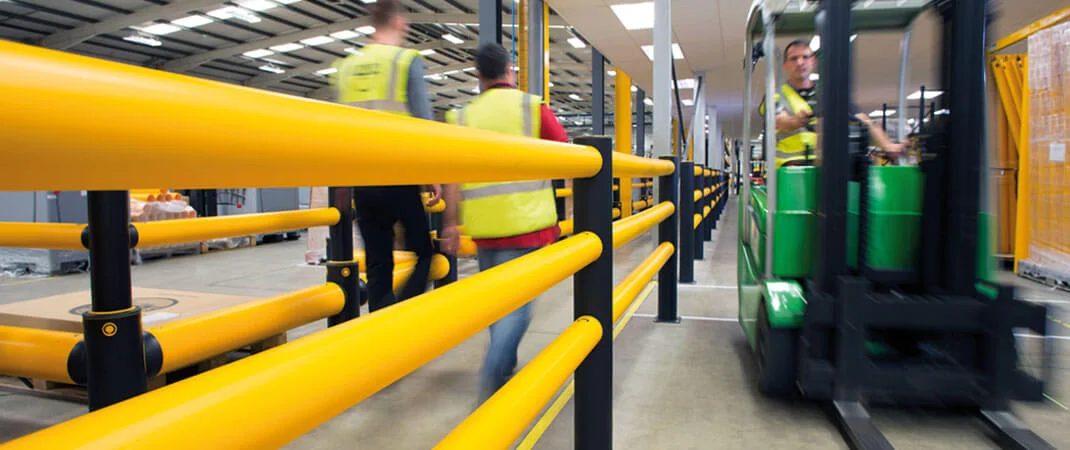
Flexible Polymer Barriers (A-Safe) This is where things get interesting. A-Safe flexible barriers are made from an advanced polymer material called Memaplex, which absorbs impact and springs back into shape. So when a forklift clips one — and eventually, one will — the barrier flexes, cushions the blow, and returns to its original position. No bent steel, no damaged floor substrate, no emergency replacement. We're the exclusive NZ supplier of A-Safe products, and honestly, they're the most effective pedestrian barrier solution we carry for high-risk environments.
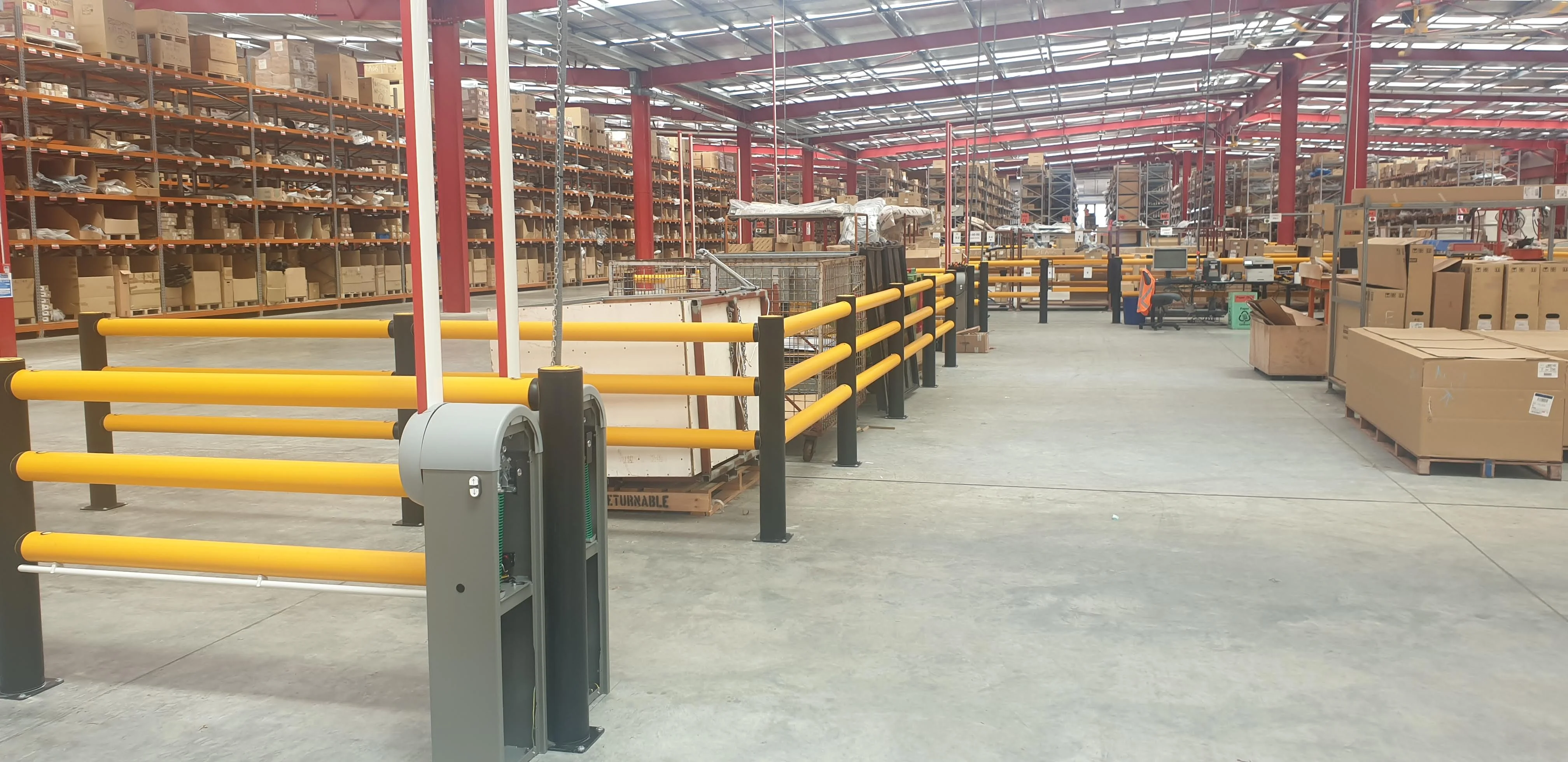
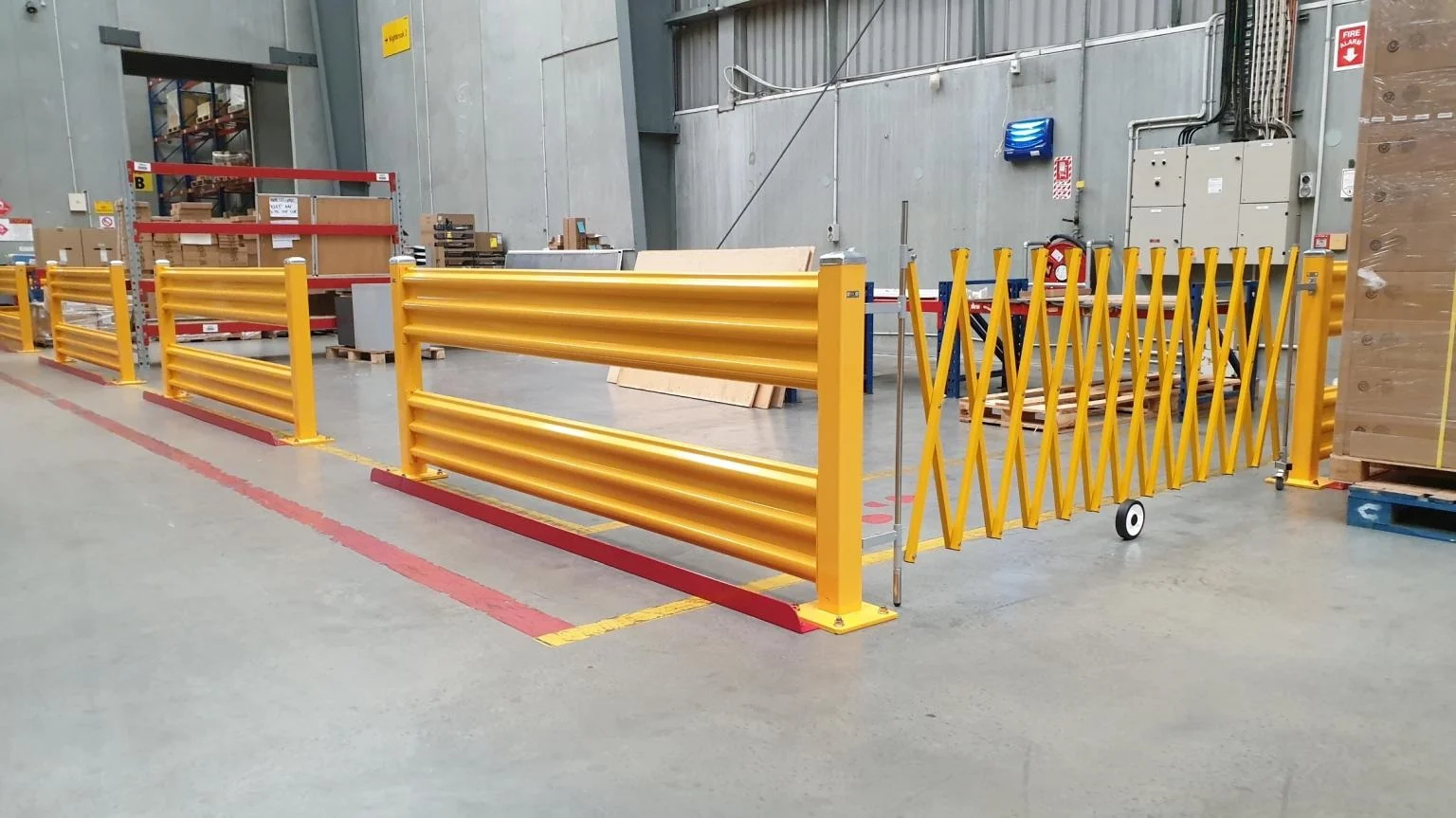
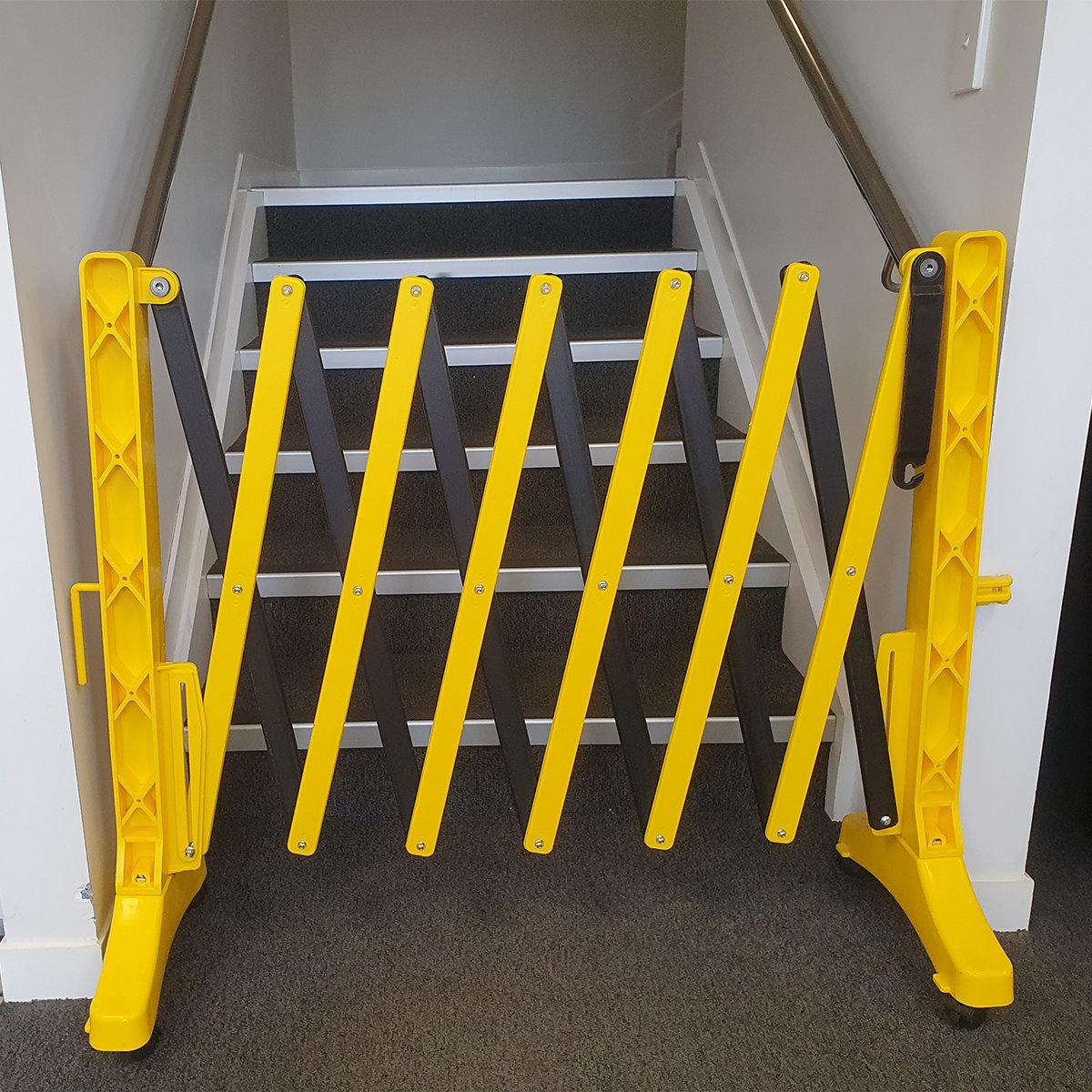
Expandable Barriers These are brilliant for areas that need to be controlled part of the time but not all the time. Wall-mounted or freestanding, they stretch across openings when needed and retract out of the way when they're not. Quick to deploy, easy to use, and far better than a cone and some tape.
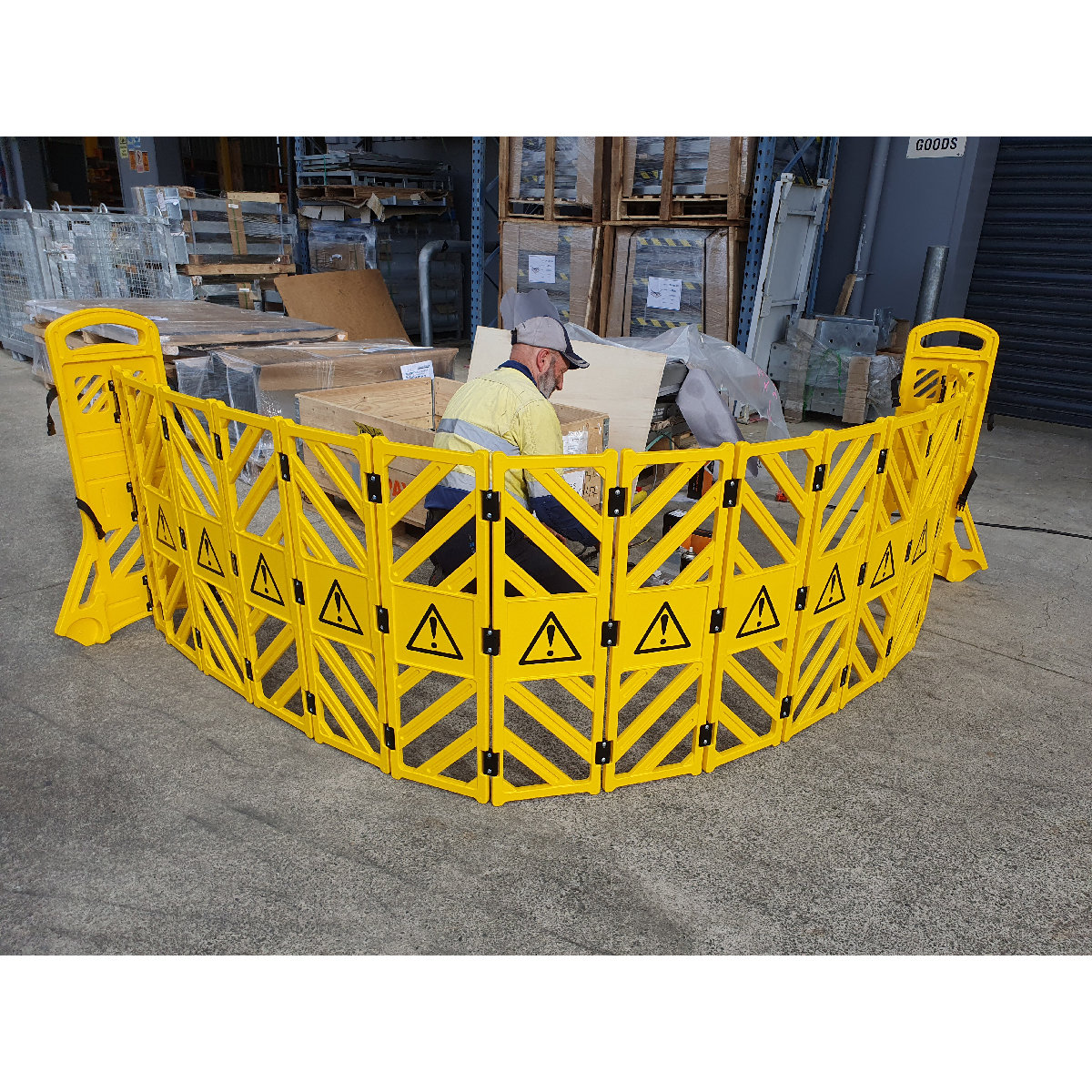
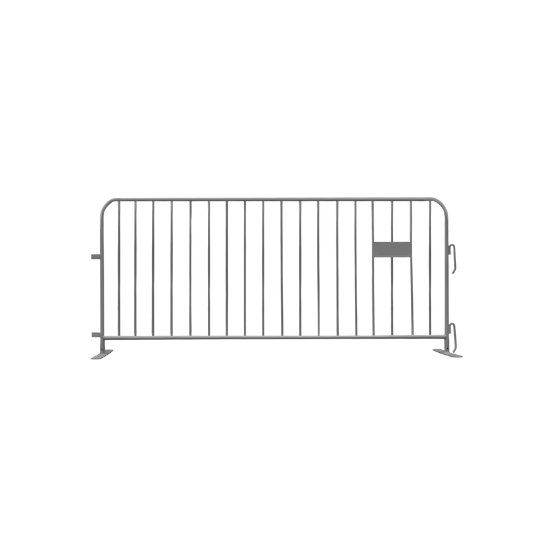
Temporary Galvanised Barriers If your facility layout changes regularly, or you need barriers for an event or short-term project, galvanised temporary barriers are the way to go. They're lightweight enough for one person to handle, interlock cleanly to create straight runs, and they're built tough enough for outdoor NZ conditions.

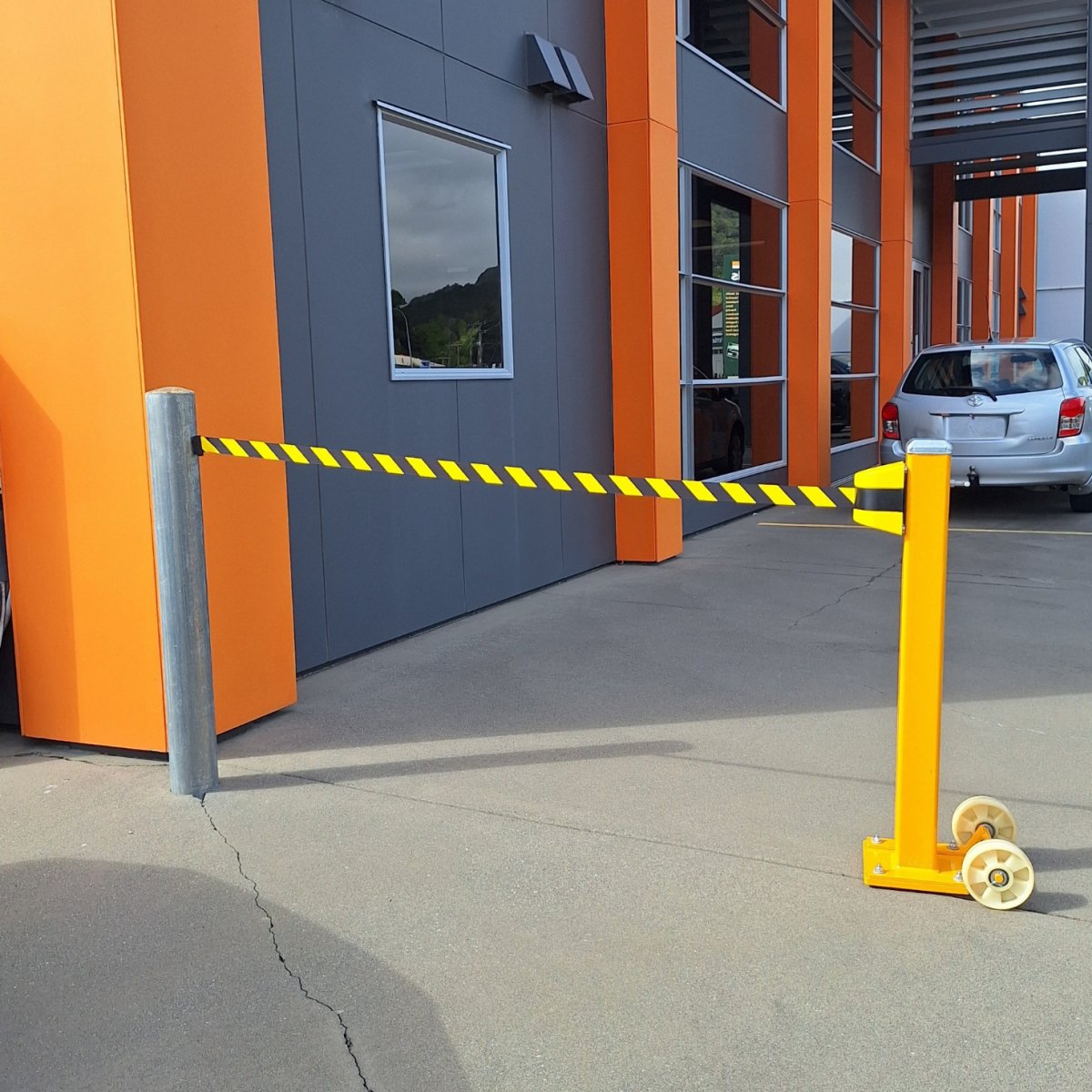
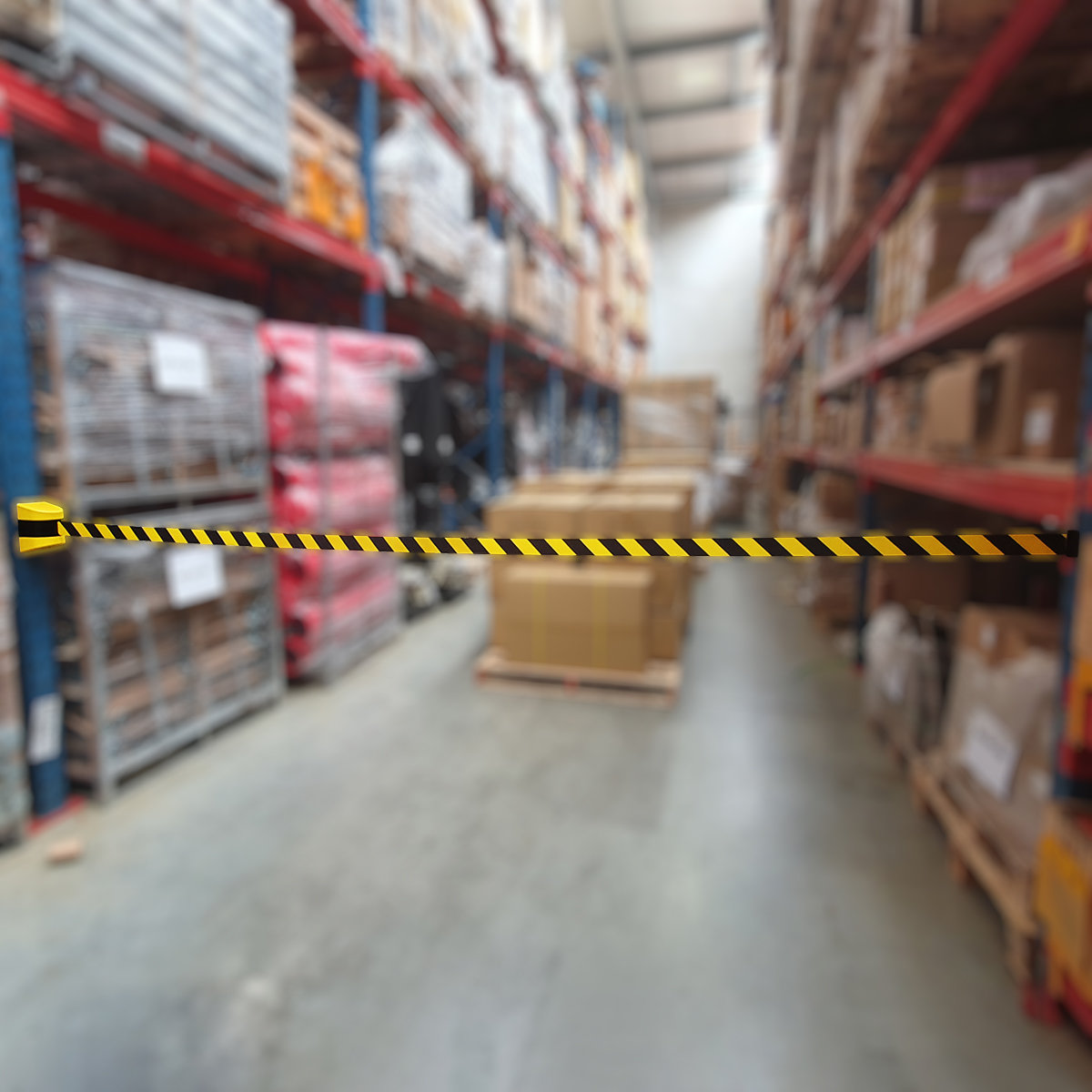
Retractable Belt Barriers More common in retail and logistics environments, these are great for managing pedestrian queues or directing foot traffic in areas that shift and change. Easy to set up, easy to move.
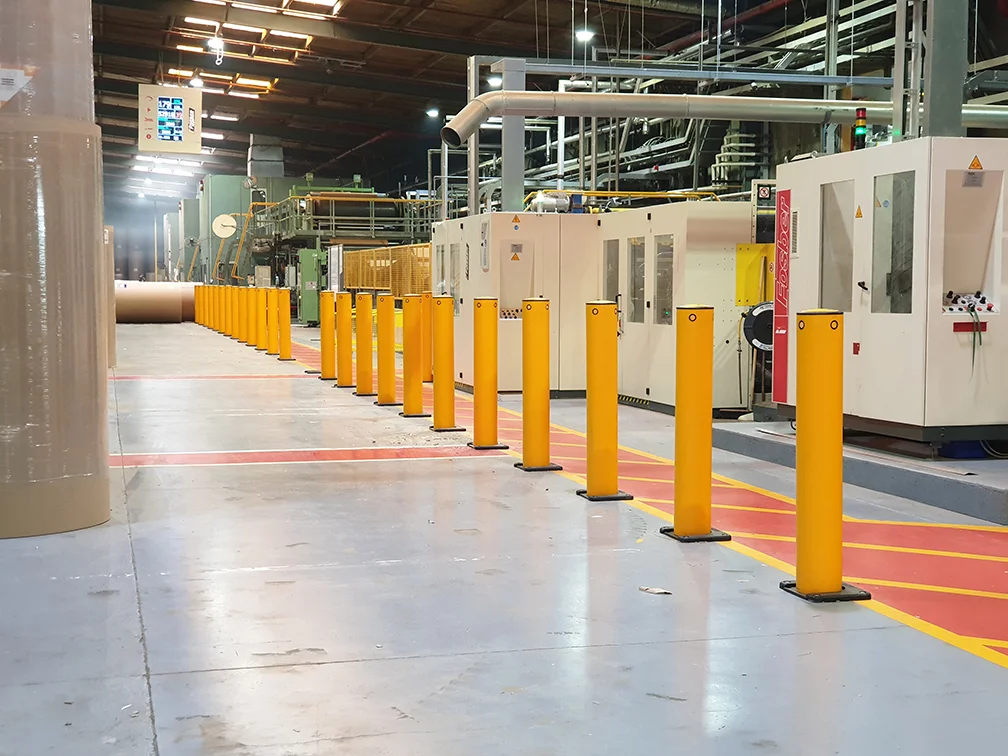
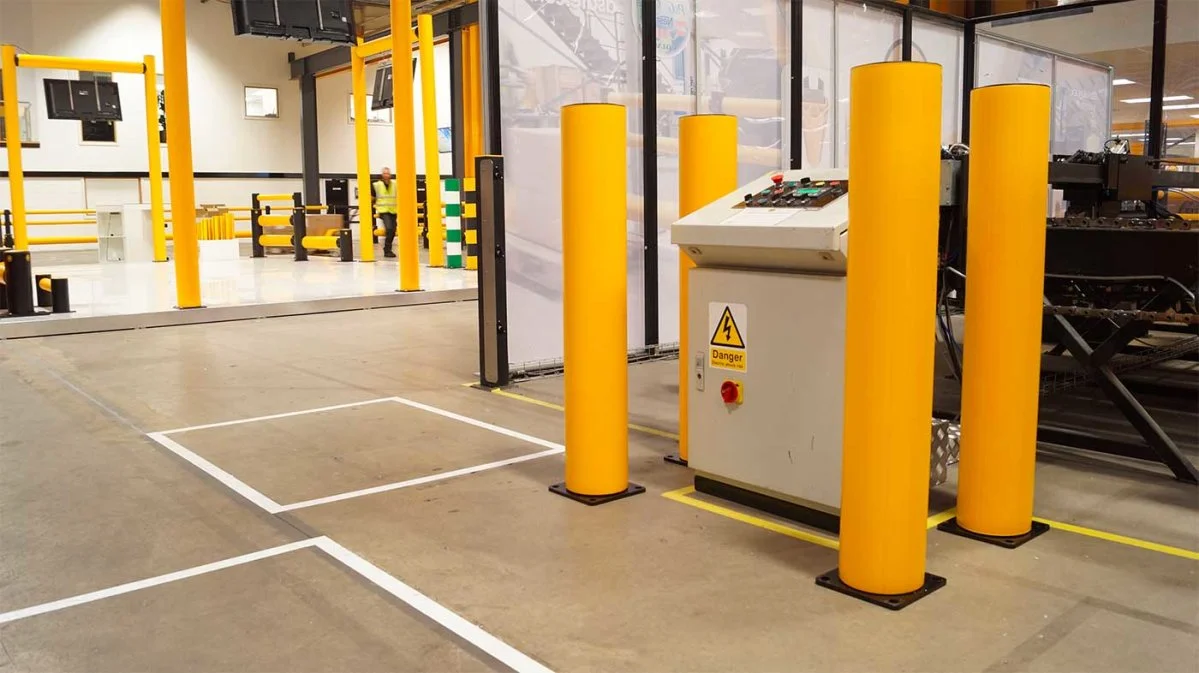
Bollards Sometimes you don't need a full barrier run — you just need to protect a corner, a column, or a piece of machinery from getting taken out by a slow-moving vehicle. That's where bollards earn their keep. Bolt-down bollards in particular offer a high impact rating and are hard to miss in bright yellow powder coats.
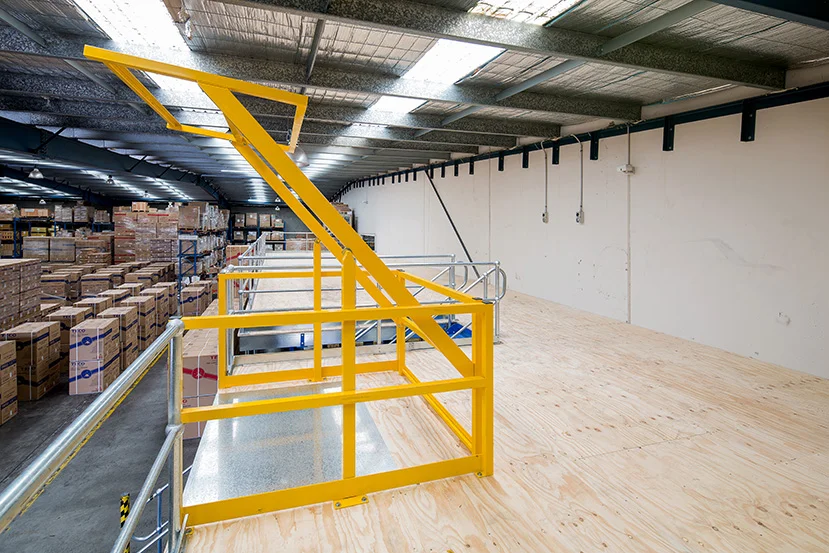
Mezzanine Gates If you have elevated storage, mezzanine gates are non-negotiable. They allow your team to safely load and unload from height without the risk of a fall — and they're designed to ensure the gate is always in a safe position when the edge is exposed.
.jpg)
How Do Barriers Actually Prevent Accidents?
It's worth understanding this, because it shapes where and how you install them.
The most obvious thing barriers do is create a physical boundary — they stop someone from walking somewhere they shouldn't. No reliance on memory, habit, or a sign that's easy to ignore.
But they also do something subtler. They remove the need for people to make judgement calls in the moment. When the walkway is clear and barriers define the route, people don't have to decide whether it's safe to cut across — the environment makes the decision for them.
High-visibility barriers (the bright yellow ones) also serve as a constant visual cue. Even before someone gets close, the colour alone triggers awareness. That unconscious nudge is surprisingly powerful in a busy, noisy facility.
And then there's the last-line-of-defence function. In the event of a vehicle error — a forklift drifting, a driver momentarily distracted — a barrier positioned between the vehicle route and a pedestrian zone can be the thing that prevents a fatality. Flexible polymer barriers are specifically engineered for this: they absorb kinetic energy, push the vehicle back on track, and protect both the person and the floor.
The honest truth is that training and signage are important, but they rely on people behaving perfectly every single time. Barriers don't.
What's the Best Option for Your Workplace?
There's no single answer here — and anyone who tells you otherwise without knowing your facility is guessing. But here's a practical way to think about it.
High forklift traffic + close pedestrian proximity? A-Safe flexible polymer barriers are the safest, most effective choice. They're certified, tested, and built for exactly this environment.
Standard warehouse with permanent lanes? Steel tubing barriers in powder-coated or galvanised finish will do the job reliably and cost-effectively.
Changing layouts or temporary needs? Expandable or galvanised temporary barriers give you the flexibility to adapt without compromising safety.
Entry points and access control? Pair your barriers with swing gates or expandable gate systems so authorised access is still possible — just controlled.
Whatever direction you go, look for barriers that are compliant with NZ safety standards, highly visible, and genuinely suited to your specific environment. Indoor vs outdoor, wet vs dry, light traffic vs heavy forklifts — these things matter.
Let's Figure Out What You Need
If you're not sure where to start, that's completely fine — that's what we're here for. Our team has been helping New Zealand businesses sort out their warehouse safety setups since 2006, and we carry the widest range of pedestrian barriers NZ has to offer.
Tell us about your facility and we'll help you find the right solution. No pressure, no jargon — just straight-up advice from people who know this stuff.
Browse our Pedestrian Barriers range →