

The loading dock is one of the hardest-working areas in any warehouse or distribution facility. It's also one of the most dangerous. Trucks reversing in, forklifts loading out, staff on foot moving between the two — all happening at the same time, often under pressure to move quickly.
The good news is that most loading dock incidents are preventable. The right safety equipment, properly set up, does a lot of the heavy lifting. Here's what you need to know.
What Safety Equipment Is Used at Loading Docks?
A well-set-up loading dock uses several pieces of equipment working together — not just one or two products bolted on as an afterthought. Here's what a complete setup typically includes:
Dock levellers bridge the height gap between the dock floor and the truck bed, creating a safe, stable ramp for forklifts and pallet trucks to travel across.
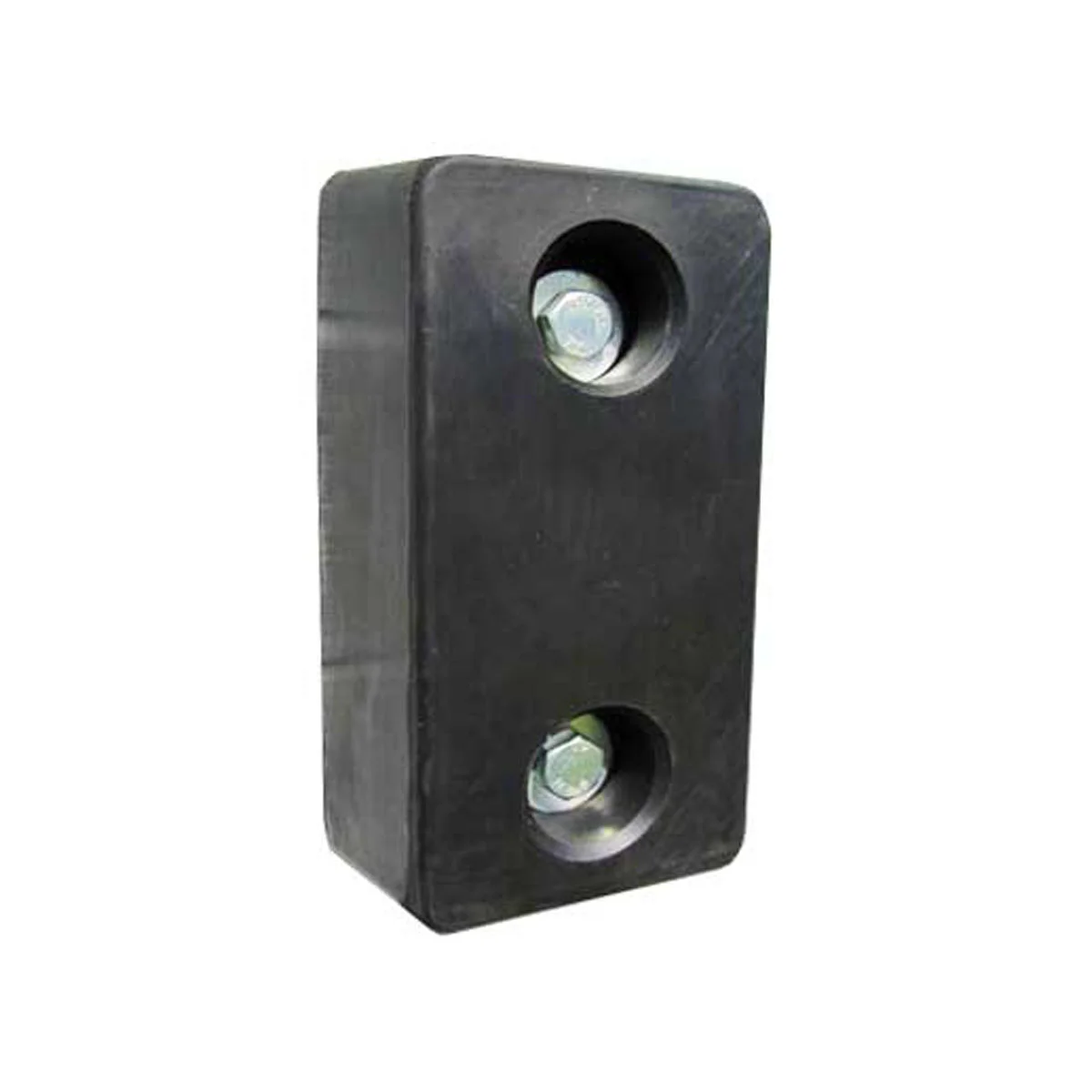
Dock bumpers protect your building and the truck itself from impact damage when a vehicle reverses into the bay.
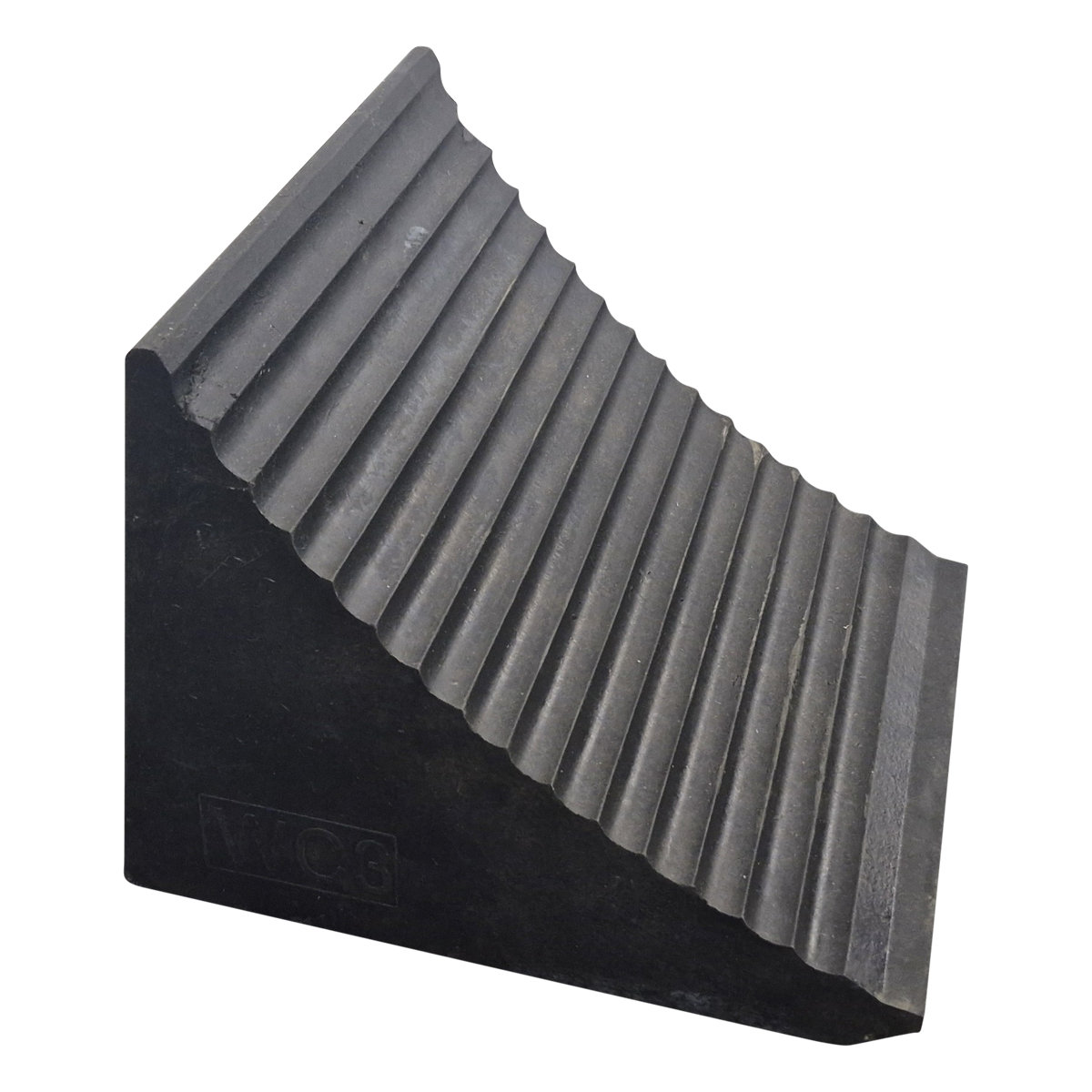
Wheel chocks prevent trucks from moving — rolling forward or drifting — while loading or unloading is underway.
.webp)
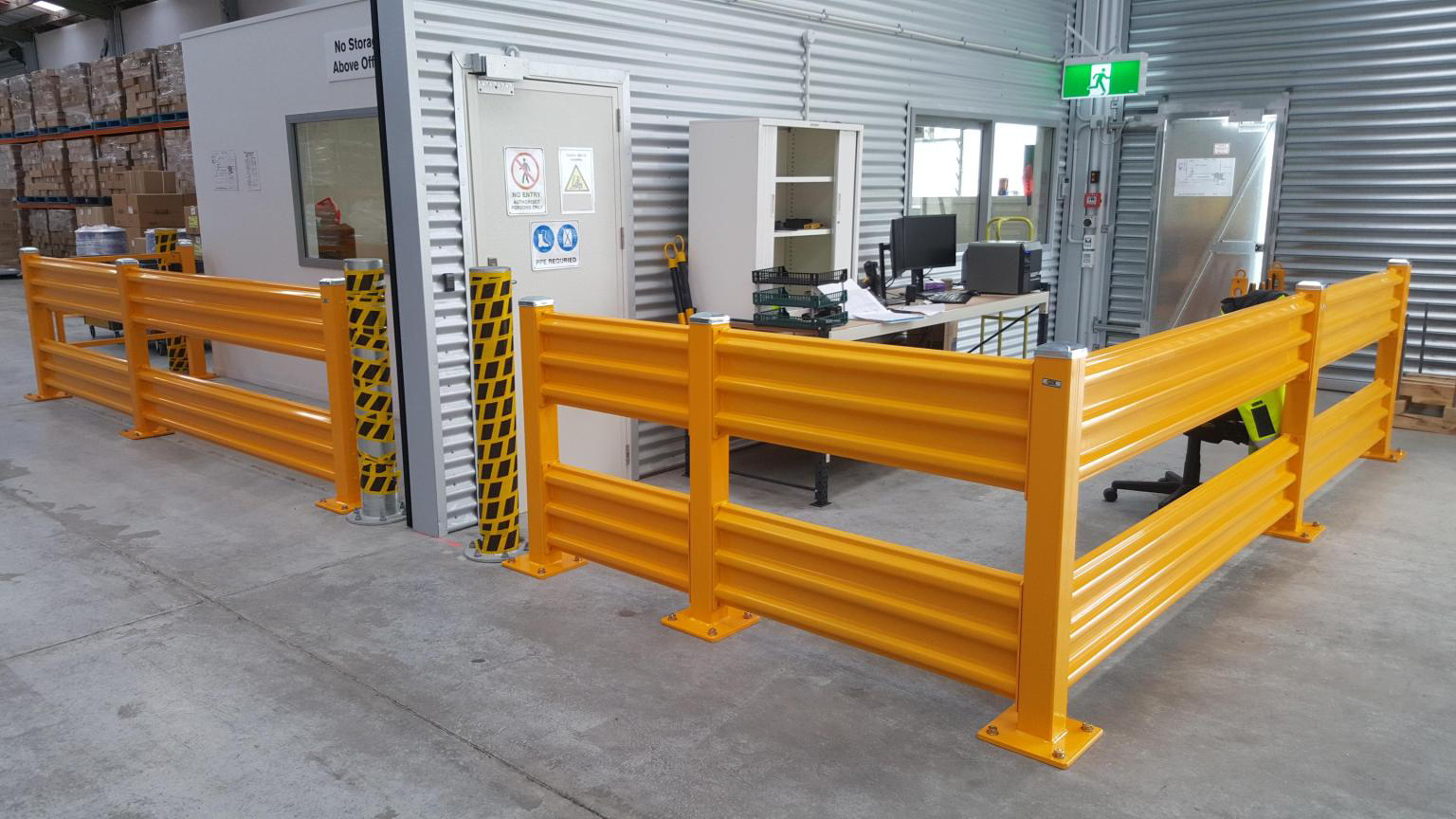
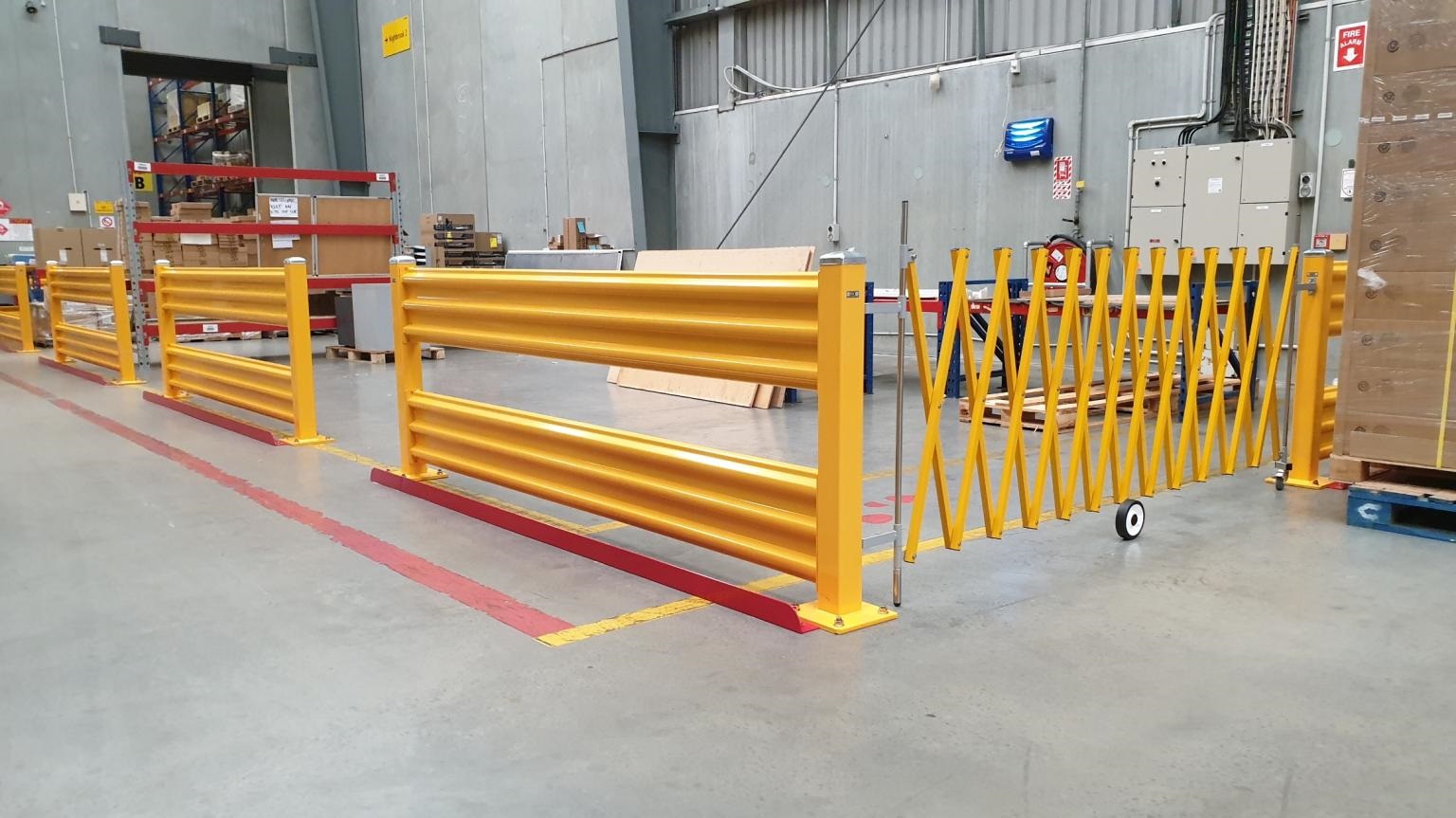
Dock safety gates and barriers keep pedestrians out of the active loading zone and prevent falls from open dock edges when no truck is present.
.jpg)
.jpg)
.jpg)
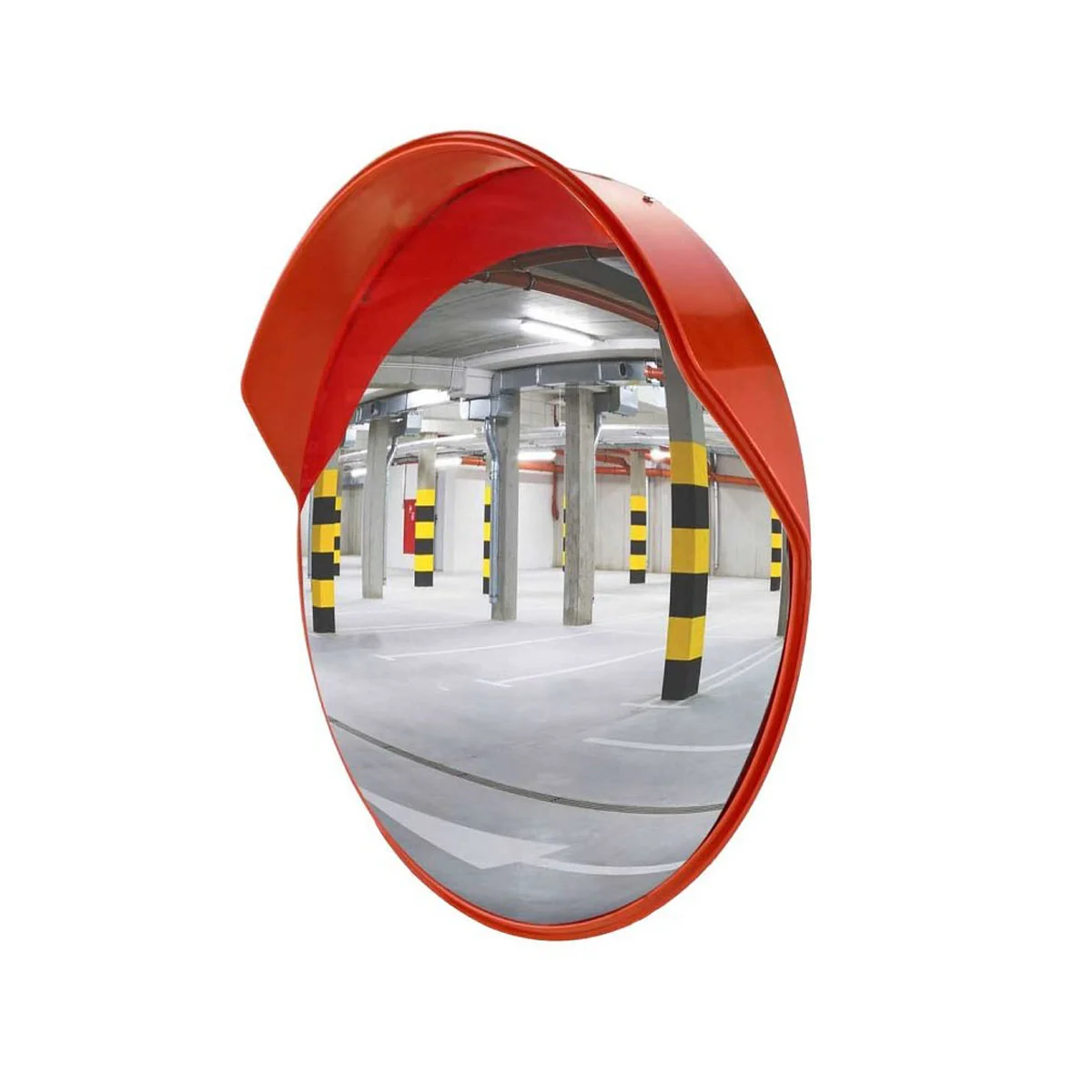
Safety mirrors improve visibility at blind corners and entry points around the dock, helping drivers and pedestrians see what's coming before it's too late.
Safety signage communicates the rules of the dock clearly — speed limits, pedestrian zones, truck positioning, and emergency procedures.
Each piece plays a different role. Together, they create a loading environment where the risk of a serious incident drops significantly.
What Is a Dock Leveller?
If you've ever watched a forklift drive straight from a warehouse floor into a truck, there's a dock leveller making that possible.
In a perfect world, every truck bed would sit at exactly the same height as your dock floor. In reality, trucks vary — and even the same truck will sit lower once it's loaded. A dock leveller is the adjustable ramp that fills that gap, creating a smooth, safe bridge between your dock and the truck bed.
Without one, you're looking at a significant height difference that makes loading awkward, slows everything down, and puts your team and equipment at risk every time they cross the threshold.
Dock levellers come in a few different types:
- Mechanical dock levellers use a manual spring mechanism — your operator pulls a release chain and the leveller drops into position. Simple, reliable, and cost-effective for lower-traffic operations.
- Hydraulic dock levellers are operated with a push button and use hydraulic power to raise and position the leveller automatically. Faster, easier on your team, and the better choice for high-volume docks where levellers are in constant use.
- Edge-of-dock levellers are a more compact option that mounts directly to the face of the dock, rather than being recessed into the floor. They're a good fit for facilities where permanent pit installation isn't possible.
The right choice depends on your dock configuration, how busy the dock is, and the range of truck heights you're working with.
Why Are Dock Bumpers Important?
Every time a truck reverses into your loading bay, it hits something. Ideally, that something is a dock bumper — not your wall, your dock leveller, or the building structure itself.
Dock bumpers are shock-absorbing pads mounted to the face of the dock that take the impact of truck contact. They protect your building from damage, protect the truck from damage, and act as a positioning guide that tells the driver when they've reversed far enough.
Without them, repeated impacts from heavy vehicles add up fast. You're looking at cracked walls, damaged dock equipment, and costly repairs — all of which are completely avoidable.
Astrolift's rubber dock bumpers are made from heavy-duty recycled rubber with a fibre-reinforced construction — nylon and polyester reinforcement that gives them exceptional strength and durability even under constant impact. The D-style design includes a tubular inner core that absorbs and reflects impact energy rather than just compressing, which means they hold their shape and keep doing their job for the long haul.
They're also low-cost and easy to install. For something that takes this much punishment, the value they provide is hard to argue with.
What Are Loading Dock Hazards?
Loading docks concentrate a lot of risk into a small space. Understanding what the hazards actually are is the first step to controlling them.
- Truck movement. A truck rolling forward or drifting while a forklift is inside it is one of the most serious risks at any loading dock. It doesn't need to move far — even a small shift can cause a forklift to fall from the truck bed, with potentially fatal consequences.
- Falls from open dock edges. When no truck is docked, the dock edge is an open drop. Anyone walking near it — especially in a busy environment with distractions — is at risk of a serious fall.
- Forklift and pedestrian conflict. The loading dock is where forklifts and people on foot are most likely to be sharing the same tight space. Poor separation leads to near-misses and, eventually, serious incidents.
- Poor visibility. Loading docks often have blind corners, low lighting, and a lot going on at once. Drivers can't always see who's behind them, and pedestrians don't always hear what's coming.
- Slips and trips. Dock floors get wet, especially in facilities where trucks are backing in from outside. Combine that with uneven surfaces and the transition between dock and truck bed, and the slip risk is real.
- Manual handling injuries. Without the right equipment to bridge height differences and position loads correctly, your team is compensating with their bodies — and that takes a toll.
Most of these hazards are manageable with the right combination of equipment, layout, and procedure. None of them are inevitable.
How Do You Prevent Truck Movement at Loading Docks?
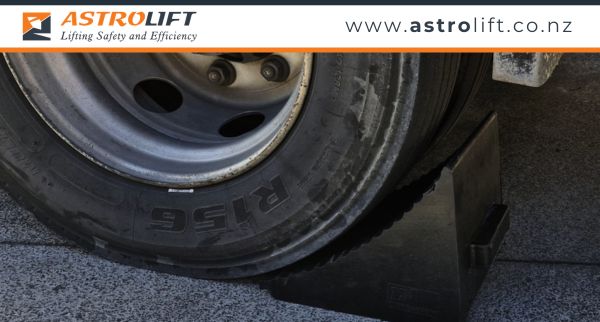
Truck movement during loading is one of those risks that's easy to overlook — right up until something goes wrong. The good news is it's also one of the most straightforward to control.
Wheel chocks are the simplest and most widely used solution. A rubber wheel chock placed snugly against the drive wheel prevents the truck from rolling in either direction. They work on any surface, require no installation, and are effective for the full range of truck sizes. Astrolift's rubber wheel chocks are made from 100% recycled high-density rubber, reinforced to handle repeated heavy use in NZ conditions.
To use them correctly: place the chock firmly against the tyre on the downhill side (or both sides of the drive wheel on a level surface), making sure there's no gap between the chock and the tread. Check that the truck is in park and the handbrake is applied before any loading begins.
Trailer restraints take things a step further for higher-risk or higher-volume operations. These are mechanical devices that physically lock onto the truck's rear impact guard (RIG bar), preventing the vehicle from pulling away until the restraint is released. Some systems can be interlocked with the dock leveller, so the leveller physically can't be activated unless the truck is secured — removing the possibility of human error from the equation entirely.
For most NZ warehouses, a clear procedure around wheel chock use — combined with training and a well-marked dock area — goes a long way. For operations where trucks are coming and going constantly, or where the consequences of movement would be severe, a restraint system is worth the investment.
Let's Make Your Loading Docks Safer
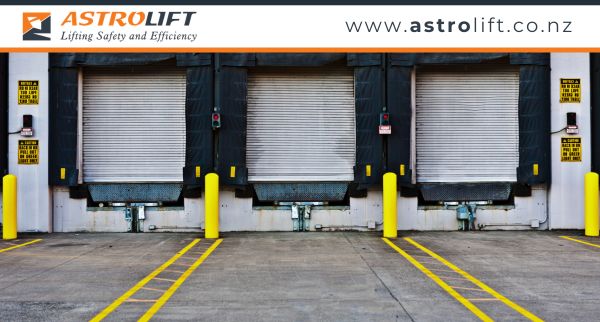
If you're looking at your loading dock and wondering where to start, you're not alone — and you don't have to figure it out by yourself. Our team has been helping NZ businesses set up safer loading environments since 2006, and we carry everything from dock bumpers and wheel chocks to safety gates and barriers.
Tell us about your setup and we'll help you find what fits. No jargon, no pressure — just straight-up advice from people who know this stuff.