

Pallet wrapping is one of the most reliable ways to secure your stock for storage and transport. However, figuring out the right setup for your specific warehouse layout can be tricky.
At Astrolift, we work with warehousing teams every day. We put this guide together to answer the most common questions we get and help you find the right setup for your team.
What Is a Pallet Wrapper?
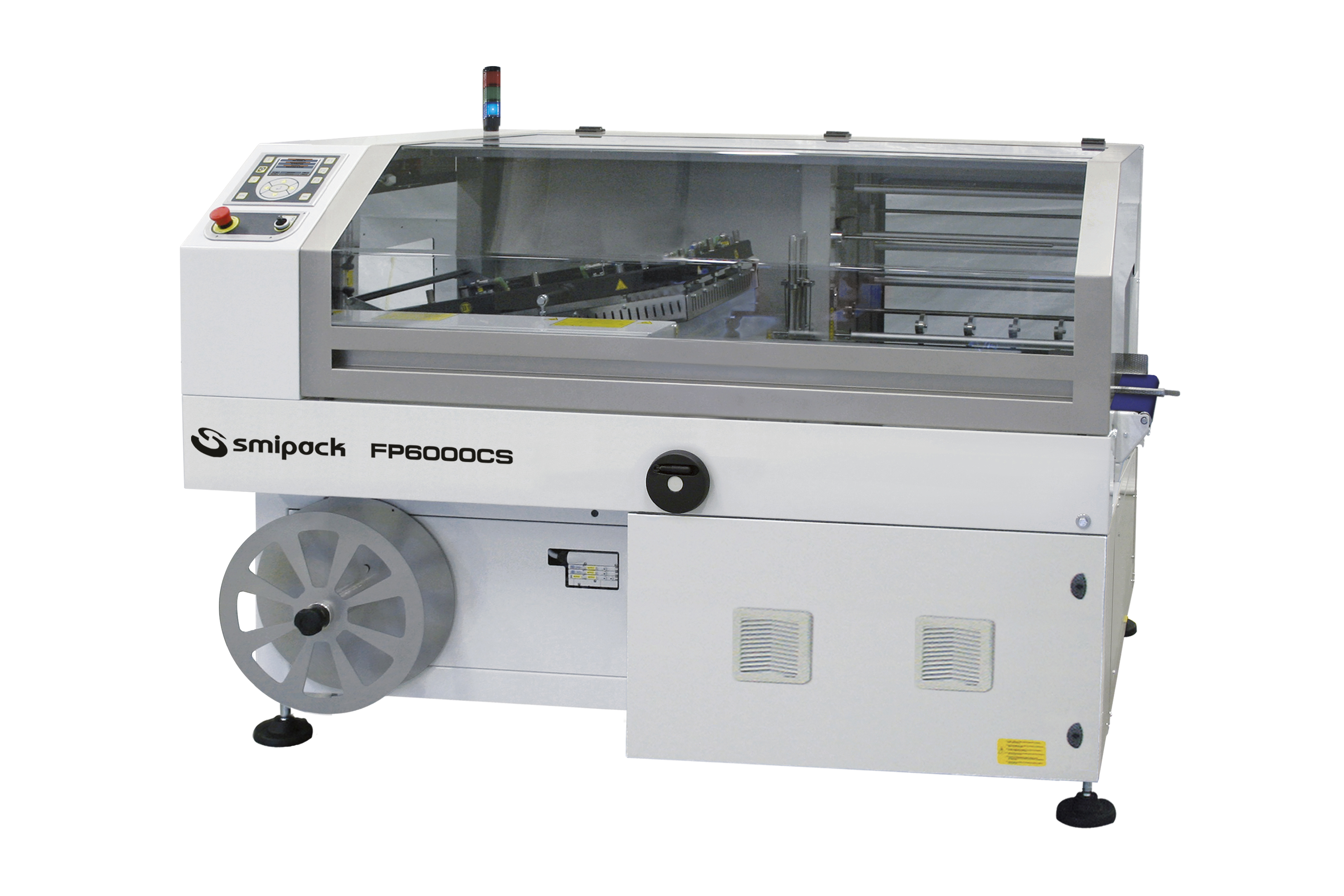
At its core, a pallet wrapper is a packaging machine that secures goods to a pallet using stretch film. Whether you use a semi-automatic system, a fully automated setup, or a mobile robotic unit, these machines make sure your loads are tightly contained, protected from weather, and ready for transport.
Manual vs. Automatic Pallet Wrapping?
When looking at your options, it helps to break it down into two straightforward choices:
- Hand-Wrapping vs. Machine Wrapping: Many businesses stick with hand-wrapping because it seems cheaper upfront. But the reality is that humans aren't precision machines. Hand-wrapping is exhausting, physically demanding work, and it leads to inconsistent tension. That means a higher risk of damaged goods and a lot of wasted film.
- Semi-Automatic vs. Fully Automatic: If your team handles 10 to 100 pallets a day, a semi-automatic machine is usually the sweet spot. The operator places the pallet and attaches the film, and the machine does the actual wrapping. If you are wrapping 200+ pallets a day, an automatic machine is better. It attaches, wraps, and cuts the film completely on its own, keeping the line moving without tying up your staff.
How Do Pallet Wrappers Improve Logistics?
They speed up your dispatch times and cut down your labor costs. Because a machine applies film with consistent tension every single time, you see a massive drop in shifted loads, in-transit damage, and expensive product returns.
What Is the Best Pallet Wrapper for Warehouses?
The right machine depends on the weight, stability, and volume of your loads. Here is how the main types compare:
- Turntable Wrappers (e.g., OneWrap): This is the most common and cost-effective option. The pallet sits on a rotating platform. It is ideal for standard, stable loads weighing up to 2,400kg.
- Rotating Arm Wrappers: If your loads are highly unstable, fragile, or weigh more than 2,400kg, you want a rotating arm. The pallet stays flat and completely still on the floor while the machine's arm spins around it.
- Robotic Wrappers (e.g., BEEWRAP): These are mobile, battery-powered units that can wrap up to 300 pallets per charge. Because you drive the wrapper to the pallet rather than the other way around, they are incredibly versatile. They can handle everything from heavy, irregular loads to lightweight pallets down to 25kg.
How Much Does a Pallet Wrapper Cost?
While the upfront price tag matters, the initial purchase price actually has the smallest impact on your long-term bottom line. The real drainage comes from the hidden costs of hand-wrapping—namely wasted labor, product damage, and excess plastic usage.
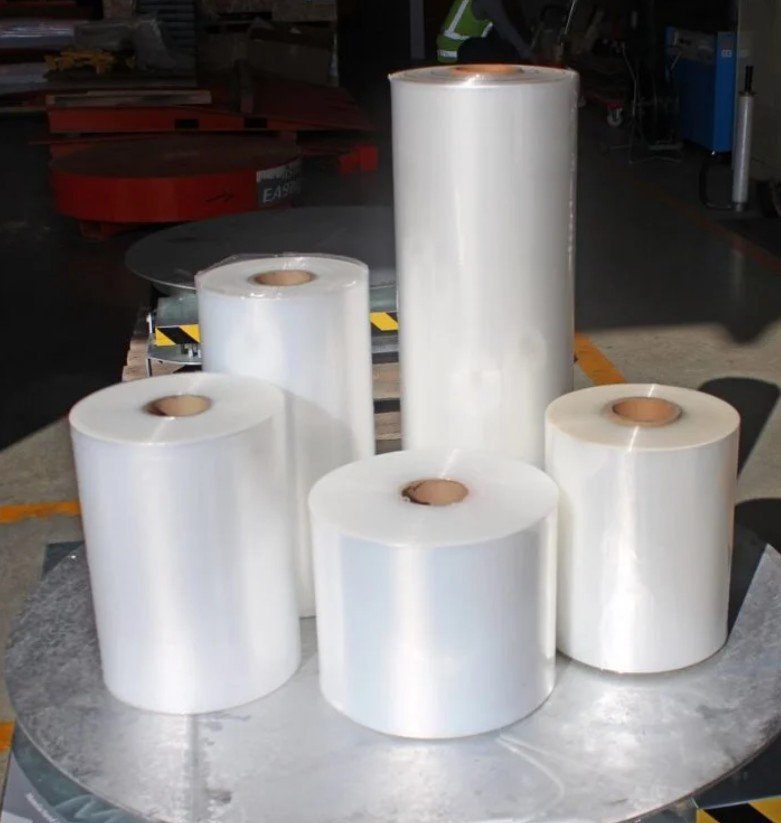
Modern pallet wrappers use pre-stretch technology that mechanically stretches the film between 30% and 400% before it even hits the pallet, which instantly slashes your ongoing film expenses.
How Does the Wrapping Process Work
To get the safest, most secure hold, the wrapping process follows these steps:
- Prepare the Pallet: Stack items evenly on a stable pallet so the shape is uniform.
- Position and Attach: Place the pallet on the wrapper (or guide the robot to the load) and tie the end of the film to the pallet base.
- Wrap the Base: The machine wraps the bottom 2 to 3 times to firmly anchor the load to the pallet itself.
- Wrap Vertically: The film carriage moves upward, overlapping layers by about 50% to create a tight, single unit.
- Secure and Inspect: The machine reinforces the top, travels back down if needed, and then cuts and secures the film end.
What Industries Get the Most Out of Pallet Wrappers
Any business shipping bulk goods needs reliable containment, but we find the fastest return on investment happens in these four areas:
- High-Volume Logistics & E-Commerce
- 3PL, Freight & Distribution Centers: When success depends on pallets-per-hour, manual wrapping causes massive bottlenecks. Automatic wrappers keep shipping schedules on time and protect workers from repetitive strain injuries.
- Retail & FMCG: Fast-moving consumer goods require quick dispatch. Automated wrappers handle mixed-product pallets smoothly, ensuring a tight hold so items don't crush each other in transit.
- 3PL, Freight & Distribution Centers: When success depends on pallets-per-hour, manual wrapping causes massive bottlenecks. Automatic wrappers keep shipping schedules on time and protect workers from repetitive strain injuries.
- Heavy or Unstable Loads
- Beverage Manufacturing: Pallets of cans or bottles are incredibly heavy and prone to shifting. Automated wrappers apply uniform tension from top to bottom, stabilizing the weight without crushing the packaging.
- Beverage Manufacturing: Pallets of cans or bottles are incredibly heavy and prone to shifting. Automated wrappers apply uniform tension from top to bottom, stabilizing the weight without crushing the packaging.
- Hygiene & Sensitive Goods
- Food & Dairy Production: To meet food safety standards, pallets need a tight seal against dust, moisture, and pests during transit. Machines ensure consistent, gap-free coverage.
- Pharmaceuticals & Medical Supplies: Medical goods require absolute stability to prevent breakages, alongside airtight wrapping to act as a clear tamper-evident barrier.
- Food & Dairy Production: To meet food safety standards, pallets need a tight seal against dust, moisture, and pests during transit. Machines ensure consistent, gap-free coverage.
- Awkward & Irregular Shapes
- Commercial Laundries & Textiles: Large, tall stacks of linens are light but highly unstable. They are almost impossible to hand-wrap without pulling the stack over. Mobile robotic wrappers walk around these soft, irregular loads perfectly.
What Are the Benefits of Stretch Wrapping?
Investing in the right machine transforms your operations by providing:
- Safety: Cuts down on the constant bending, walking in circles, and fatigue that leads to workplace injuries.
- Speed: Gets pallets wrapped and out the door faster, freeing up your team for other tasks.
Appearance: Gives your shipments a clean, uniform look that looks professional when it arrives at your customer's dock. - Material Savings: Uses significantly less film per pallet compared to manual wrapping, saving money on every single dispatch.
What’s our next big move? If you are thinking about upgrading your packaging setup, we can help you run the numbers. Get in touch with the Astrolift team today to talk through your specific operation and find a solution that works for your warehouse.