

Choosing the Right Material Handling Trolley
Did you know that inefficient material handling can account for up to 30% of operational expenses in sectors across New Zealand, according to a recent study? That's a substantial portion of your spending that may be maximised with the correct equipment.
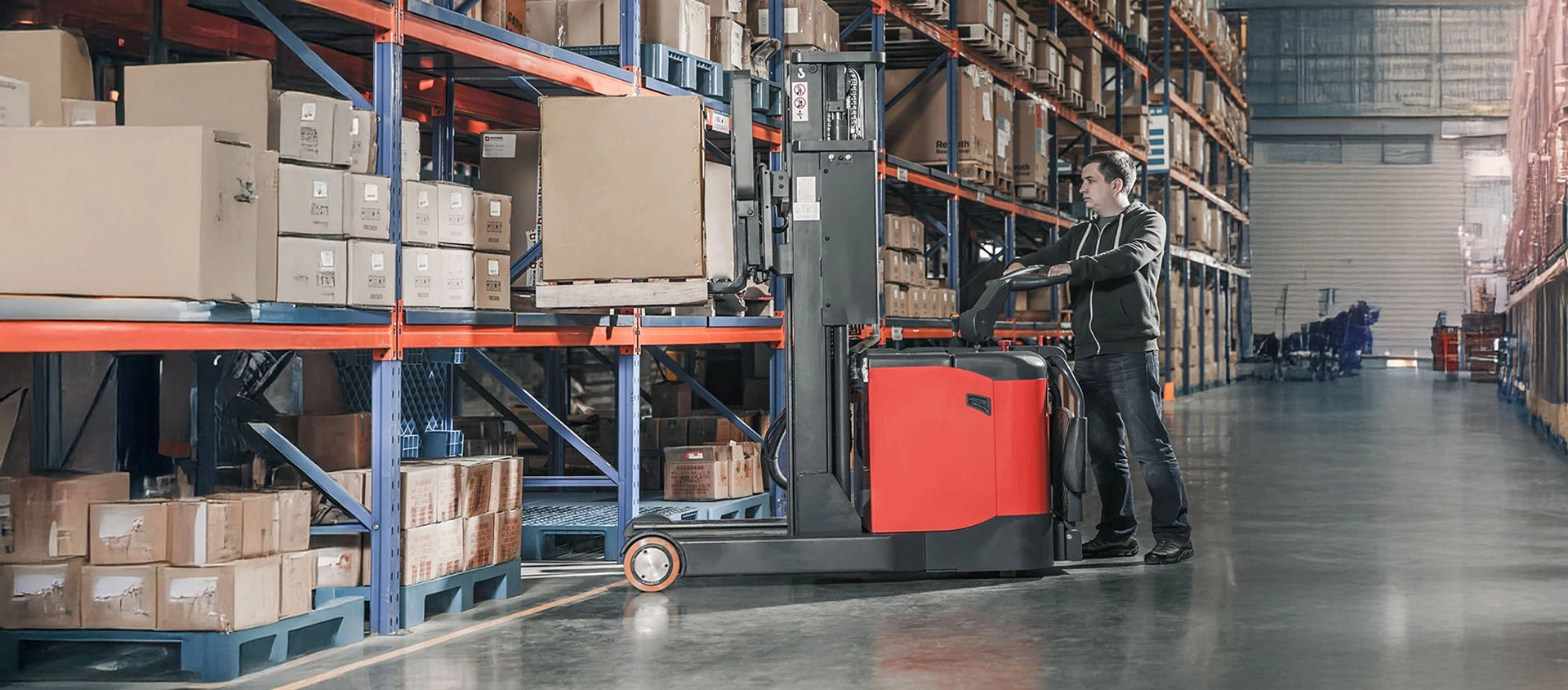
In warehouses, workshops, and retail backrooms, material handling trolleys are simply part of the furniture. They move stock from receiving to storage, support picking teams, and help keep operations moving during busy periods.
Because they’re used every day, they’re rarely questioned. Many workplaces would use the same trolleys for years — even as demands grow, layouts change, and pressure on staff increases.
Over time, that mismatch starts to show. Handling slows down. Equipment breaks more often. Staff put in more physical effort than they should.
Choosing the right trolley is not about upgrading for the sake of it. It is about making sure your equipment keeps pace with how work is actually done.
Start With How Your Operations Work
Before comparing models and variants, make sure to look at daily handling tasks.
- Where are the goods picked up?
- How far are they pushed?
- Which areas become congested?
- What changes during peak periods?
These observations quickly highlight what type of trolley is needed.
Key factors to consider include:
- Typical and maximum load weights
- Load size and stability
- Movement frequency
- Indoor and outdoor use
- Floor condition and gradients
- Storage place
Once you have the answers to those, you will be able to narrow the options and reduce trial-and-error purchasing.
Choosing the Right Trolley Type
Different handling tasks require different specifications. No single trolley suits every application.
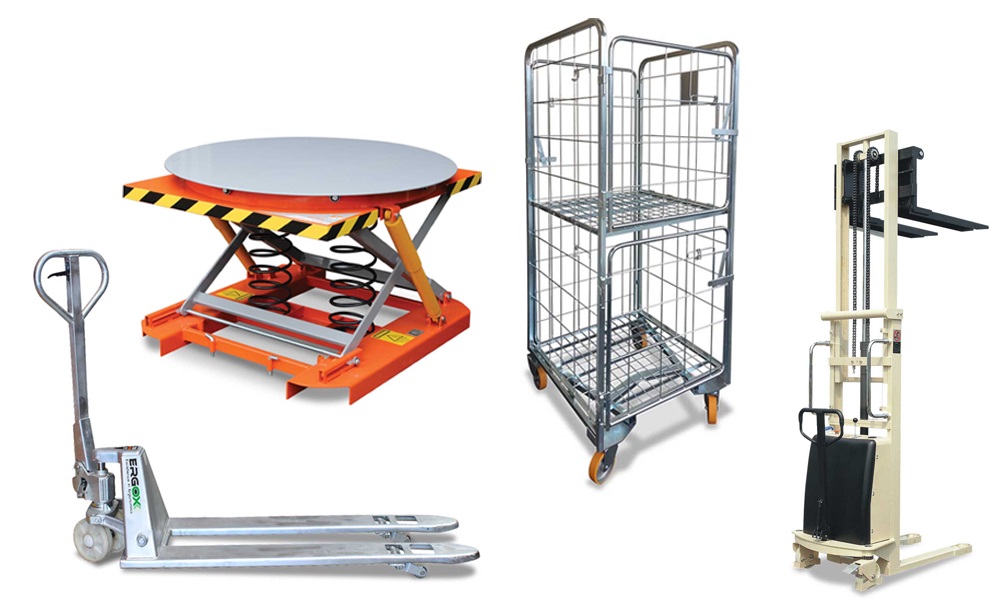
- Platform Trolleys: Widely used in warehouses and retail environments. They suit cartons, equipment, and mixed loads. Side rails can improve stability for stacked items.
- Hand Trucks: Designed for upright, bulky items such as appliances and drums. They are best used where loads can be tilted and balanced safely.
- Pallet Jacks: Used for palletised freight in warehouses and dispatch areas. They support heavier loads and high-volume movement.
- Self-Levelling Trolleys: Maintain a consistent working height as loads are added or removed. They are commonly used in packing and assembly areas.
- Dollies: Useful for machinery, furniture, and oversized equipment where precise positioning is required.
Loading Capacity and Reliability
Load capacity is one of the most important specifications to review.
Trolleys that operate close to their maximum rating wear faster and become harder to control. Braking, turning, and stopping all require more effort.
As a general guide, equipment should be rated at least 20% above normal working loads. This allows for variation, uneven loading, and future growth.
Adequate capacity improves reliability and extends service life.
Wheels and Surfaces
Wheel selection has a direct impact on how easily loads can be moved.
Wheel Size
Larger wheels perform better on ramps, joints, and uneven surfaces. Smaller wheels are suited to smooth indoor floors.
Wheel Material
- Polyurethane: Durable and quiet for most indoor environments
- Rubber: Suitable for mixed surfaces
Pneumatic: Best for outdoor or rough terrain
Wheel Configuration
Swivel wheels improve manoeuvrability in tight spaces. Fixed wheels improve straight-line tracking. Many industrial trolleys use a combination of both.
Incorrect wheel selection increases pushing force and reduces stability.
Build Quality and Long-Term Value
Purchase price alone does not reflect long-term cost.
Lower-quality frames, weak welds, and poor bearings often lead to early replacement and frequent repairs.
When assessing build quality, look for:
- Steel or aluminium construction
- Reinforced load points
- Secure castor mounting
- Corrosion-resistant finishes
Well-built trolleys maintain performance under daily use and require less downtime.
Common Purchasing Mistakes
Across many sites, the same issues appear repeatedly.
- Choosing based on price alone
- Underestimating load requirements
- Ignoring handle height and ergonomics
- Selecting unsuitable wheels
- Failing to plan maintenance
These decisions often lead to higher costs and reduced equipment lifespan.
Making a Practical Investment
Material handling trolleys are simple tools, but they influence daily performance more than most people realise.
When chosen carefully, they support:
- Faster movement of goods
- Reduced physical effort
- Lower maintenance costs
- More consistent operations
For advice on selecting the right trolley for your workplace, the Astrolift team is available to provide practical, experience-based guidance.