

Manual Handling Hazards in Warehouses: Avoid Injuries and Maintain Compliance
Guidance for New Zealand PCBUs on Injury Prevention and Compliance
Hazardous manual handling remains one of the most significant health and safety risks in New Zealand warehouse environments. Tasks such as lifting, carrying, pushing, pulling, and handling loads are common across warehousing and logistics operations. When these activities are not properly managed, they are a leading cause of work-related musculoskeletal disorders (WRMSDs).
Across New Zealand, hazardous manual tasks are a major contributor to workplace injury, lost productivity, and increased ACC claims. These risks affect not only workers but also business continuity, workforce capability, and regulatory compliance.
Under the Health and Safety at Work Act 2015 (HSWA), Persons Conducting a Business or Undertaking (PCBUs) have a primary duty of care to ensure, so far as is reasonably practicable, the health and safety of workers. This includes managing risks associated with hazardous manual handling.
This guidance outlines how manual handling injuries occur in warehouse settings, identifies common risk factors, and sets out practical, compliant control measures aligned with New Zealand health and safety expectations.
What Is Hazardous Manual Handling?
Manual handling refers to any task that requires a worker to lift, lower, carry, push, pull, hold, restrain, or otherwise move a load. In warehouse environments, this commonly includes:
- Moving pallets and cartons
- Picking and packing orders
- Loading and unloading trucks and containers
- Repositioning or stacking stock
- Handling oversized, unstable, or awkward loads
Manual handling becomes hazardous when the task places excessive physical strain on the body. Contributing factors may include heavy or bulky loads, repetitive movements, sustained awkward postures, limited space, or poorly designed storage systems.
Even low-weight tasks, when performed repeatedly or over long periods, can result in serious injury.
Health Impacts of Manual Handling Injuries
Poorly managed manual handling is a primary cause of work-related musculoskeletal disorders (WRMSDs). These injuries develop over time due to repeated physical stress rather than from a single incident.
Common WRMSDs in warehouse environments include:
- Back and neck strain
- Should and upper-limb injuries
- Joint and ligament damage
- Nerve compression injuries
- Hernias
- Chronic muscular pain
WorkSafe identifies musculoskeletal disorders as one of the most common forms of work-related harm in New Zealand. Risk factors include high physical demands, repetitive work, poor task and workplace design, environmental conditions, and fatigue.
Many WRMSDs develop gradually. Early symptoms may be mild discomfort but can progress into chronic pain, reduced mobility, and long-term impairment if risks are not addressed.
For businesses, the consequences include increased ACC costs, higher absenteeism, reduced productivity, and loss of experienced workers. Effective manual handling risk management is therefore both a legal requirement and a critical workforce sustainability issue.
Legal Duties Under the Health and Safety at Work Act 2015
Under HSWA Part 2, Section 30 – Management of Risks, PCBUs must eliminate risks to health and safety so far as is reasonably practicable. Where elimination is not possible, risks must be minimised.
This duty applies directly to hazardous manual handling tasks in warehouses.
Compliance requires more than training alone. Effective risk management must consider:
- Task design
- Workplace layout
- Equipment selection
- Environmental conditions
- Worker capability and fatigue
Common Manual Handling Risk Factors in Warehouses
Manual handling injuries typically result from multiple interacting risk factors.
Physical and Task-Related Risks
Common physical risk factors include:
- Lifting heavy, bulky, or unstable loads
- Handling items above should height or below knee height
- Twisting or bending while carrying loads
- Repetitive movements over long periods
- Sustained awkward postures
Poorly designed racking, inadequate aisle space, and congested storage areas significantly increase these risks.
Work Design and Organisation
How work is planned and managed has a direct impact on injury risk. Contributing factors include:
- Inefficient warehouse layouts
- High pick rates and production targets
- Limited task variation
- Extended shifts without adequate recovery
- Over-reliance on manual handling where mechanical options are available
When work systems prioritise speed over safety, the likelihood of injury increases.
Environmental Conditions
Environmental factors that increase manual handling risk include:
- Cold environments that reduce muscle flexibility
- Poor lighting that limits visibility
- Slippery or uneven flooring
- Excessive noise that reduces concentration
These conditions must be considered as part of a comprehensive risk assessment.
Fatigue and Work Pressure
Fatigue significantly increases the likelihood of unsafe manual handling. High workloads, staff shortages, overtime, and time pressure can lead workers to adopt unsafe techniques or bypass controls.
Fatigue-related risk must be actively managed.
Eliminating Manual Handling Risks
Elimination is the most effective control measure and must be implemented wherever reasonably practicable.
In warehouse environments, elimination may include:
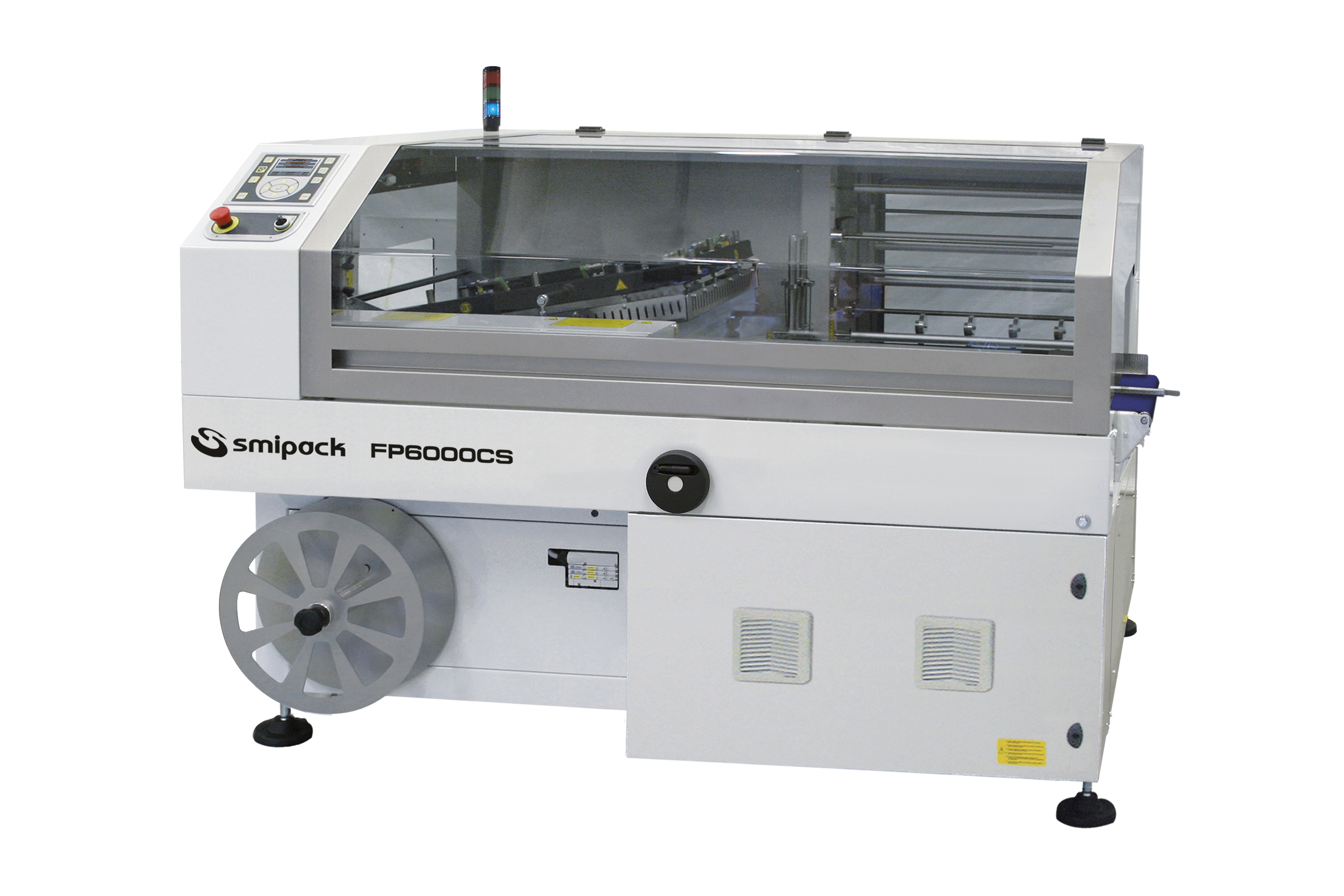
- Automated palletising systems
- Conveyor systems for product movement
- Robotic picking solutions
- Automated storage and retrieval systems
- Redesigned workflows that remove manual lifts
While automation involves capital investment, it can substantially reduce exposure to hazardous manual tasks and often improves operational consistency and throughput.
Minimising Risk Where Manual Handling Cannot Be Eliminated
Where elimination is not reasonably practicable, PCBUs must minimise risk using appropriate control measures.
Use of Mechanical Handling Equipment
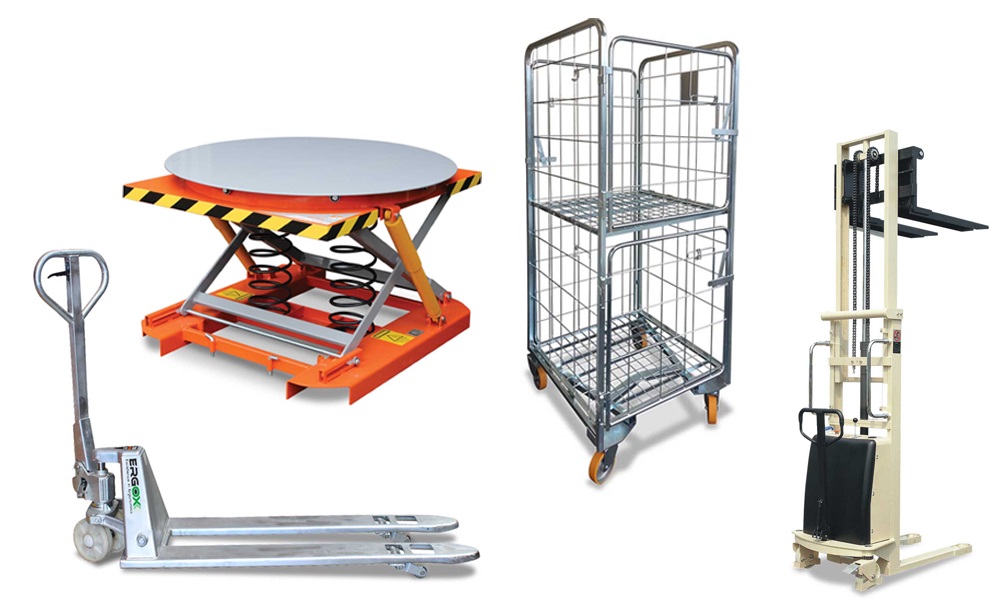
Suitable mechanical aids should be provided and maintained, including:
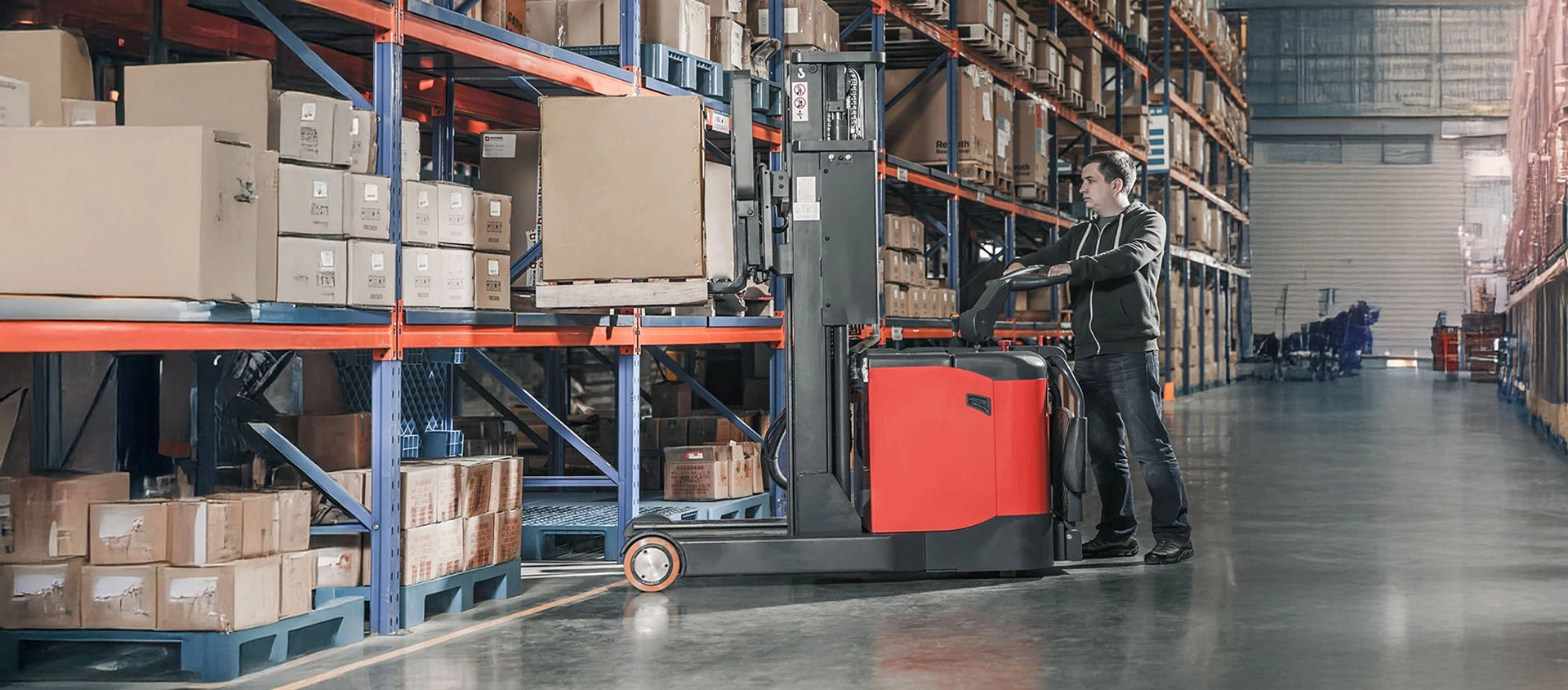
- Pallet jacks and electric pallet trucks
- Trolleys and carts
- Lift tables
- Hoists
- Forklifts and stackers
Workers must be trained and competent in the safe use of all equipment, and maintenance programs must be in place.
Warehouse Layout and Workflow Design
Effective layout design reduces unnecessary handling and physical strain. This includes:
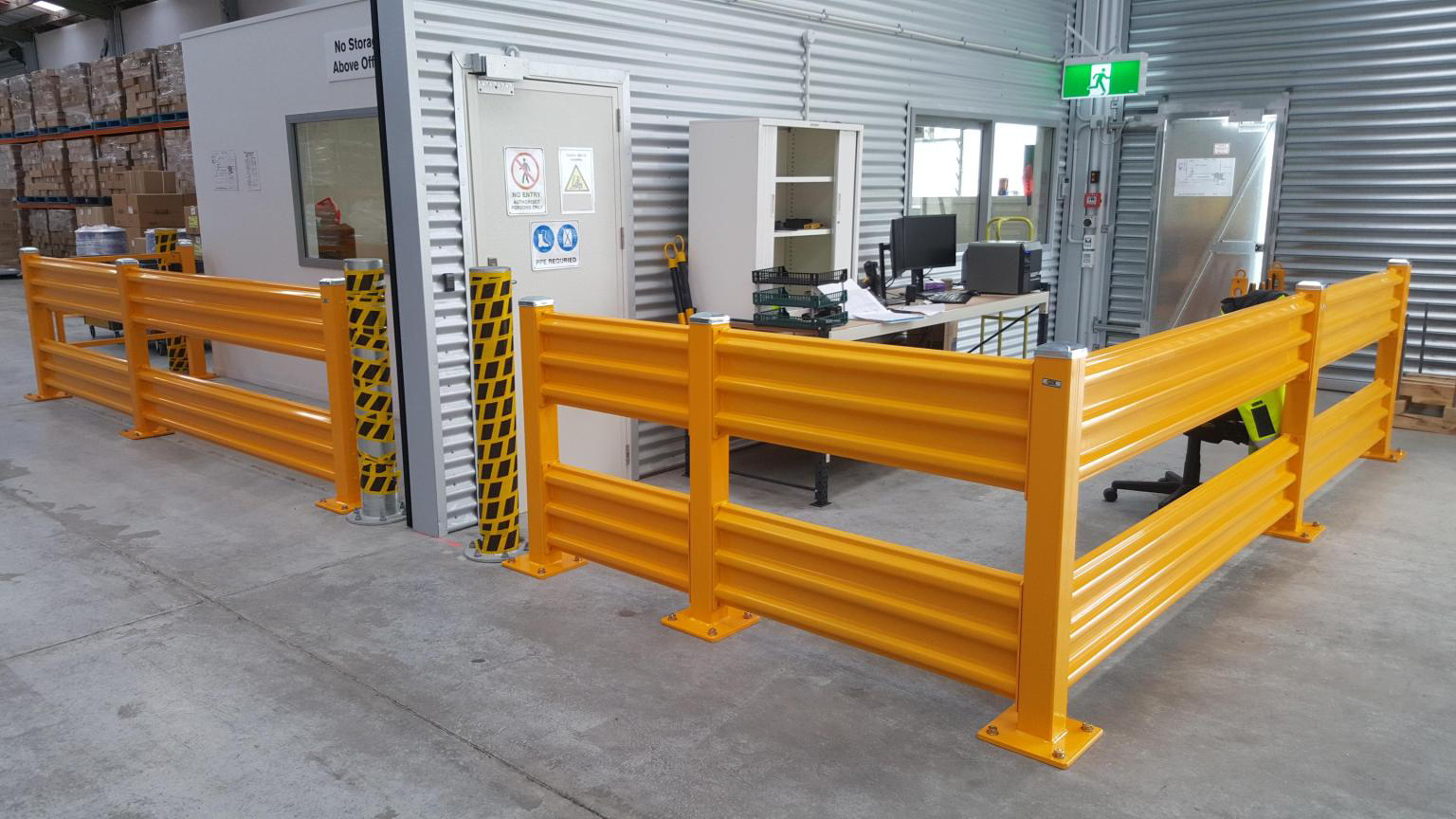
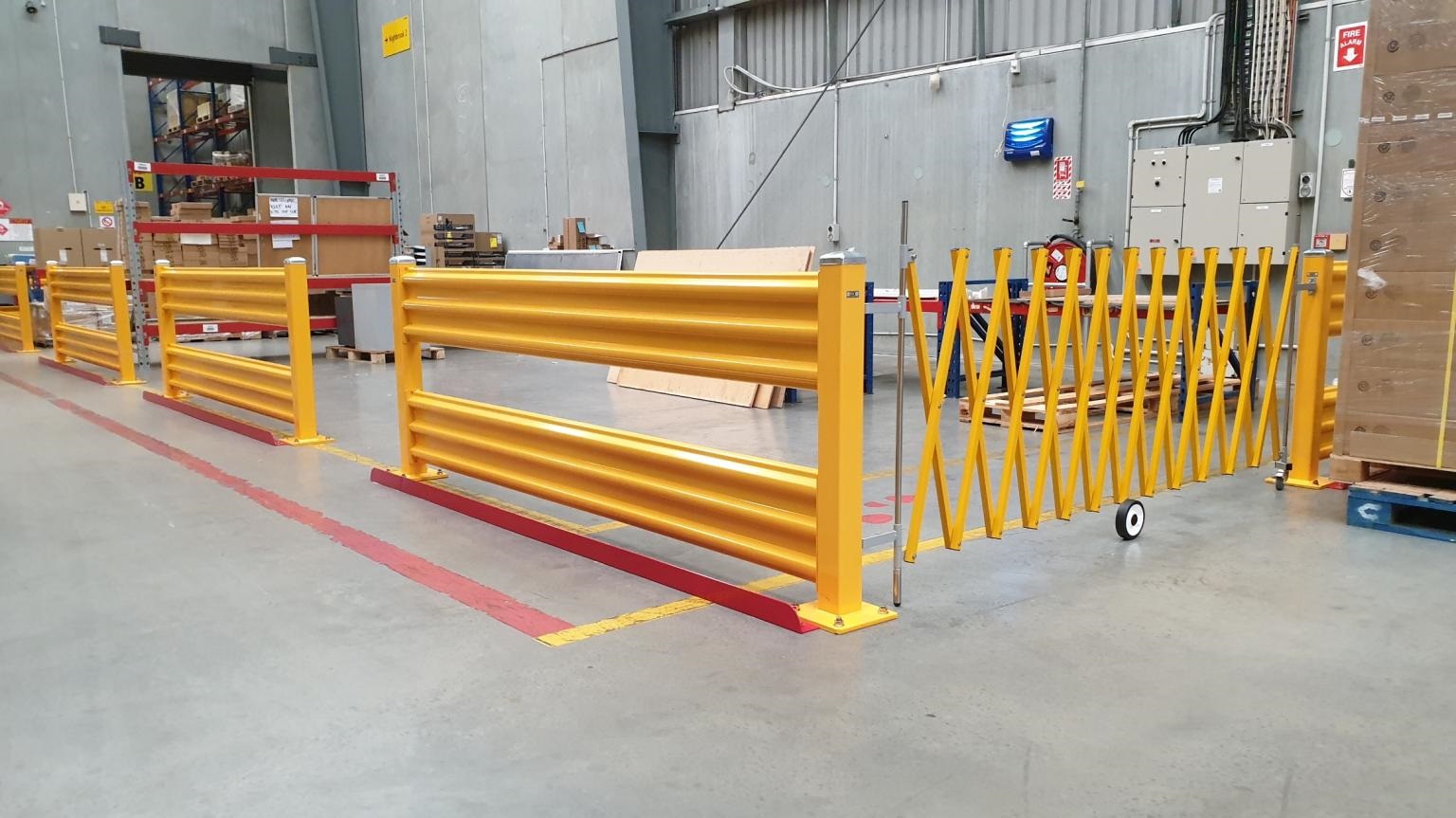
- Clearly defined traffic and transport routes
- Smooth, slip-resistant flooring
- Logical storage and pick locations
- Easy access to loading and dispatch areas
- Minimisation of double-handling
Even minor layout changes can deliver meaningful risk reductions.
Adjustable Workstations
Workstations should accommodate a range of worker heights and capabilities. Adjustable benches, conveyors, and packing stations allow tasks to be performed within safe postural ranges, reducing strain on the spine and upper limbs.
Load and Packaging Design
Risk can be reduced by improving how goods are packaged and stored, including:
- Reducing individual load weights
- Standardising pallet sizes
- Designing loads for mechanical handling
- Improving packaging stability
Loads that are easier to handle are generally safer to manage.
Managing Repetitive Tasks
Where repetitive manual handling cannot be avoided, controls should include:
- Task rotation
- Scheduled rest breaks
- Balanced workloads
- A mix of manual and non-manual tasks
These measures help reduce fatigue and cumulative injury risk.
Worker Engagement, Training, and Participation
Under HSWA Sections 58–61, PCBUs must engage workers in health and safety matters and provide reasonable opportunities for participation in risk management.
Effective manual handling management relies on worker input. Workers are often best placed to identify emerging risks and practical improvements.
Good practice includes:
- Regular manual handling training
- Toolbox talks and refresher sessions
- Clear hazard and incident reporting processes
- Health and safety representatives
- Ongoing consultation
Engaged workers are more likely to follow safe systems of work and report issues early.
Business Benefits of Effective Manual Handling Management
Managing manual handling risks delivers both safety and operational benefits. Well-controlled warehouse environments typically experience:
- Reduced ACC claims
- Lower absenteeism
- Improved productivity
- Higher staff retention
- Stronger compliance outcomes
- Improved workforce morale
In practice, safe systems of work are often more efficient and sustainable.
How Astrolift Supports Safer Warehouse Operations
Astrolift works with warehouses across New Zealand to reduce hazardous manual handling risks through practical, compliant solutions. Services include:
- On-site assessments
- Equipment supply
- System and layout design
- Installation
- Preventative maintenance
- Ongoing technical support
From pallet handling equipment and racking systems to conveyors and automation solutions, Astrolift supports safer operations without compromising performance.
Summary: Meeting Your Duties and Protecting Workers
Hazardous manual handling remains a leading cause of injury in New Zealand warehouses. Without effective controls, it results in preventable harm, increased costs, and compliance failures.
By eliminating risks where possible and minimising them through sound design, appropriate equipment, worker engagement, and effective training, PCBUs can meet their HSWA obligations while building safer, more productive workplaces.
For assistance reviewing your current warehouse setup or improving manual handling safety, Astrolift can provide practical, compliant support.
Contact Astrolift to discuss your warehouse safety requirements.