

Beyond the Redline: Managing 6 Crucial Operational Risks in Modern Warehousing and Logistics (New Zealand 2026)
The year 2026 presents New Zealand distribution, logistics, and manufacturing operations with a demanding risk landscape. While the newly passed Health and Safety at Work Amendment Bill (July 2026) and WorkSafe New Zealand's strategic pivot toward advisory support and "safe harbour" Approved Codes of Practice (ACOPs) offer a clearer regulatory pathway, they do not eliminate the physical hazards of a busy floor.
As supply networks continue to run at a high-velocity, automated pace, the exact conditions that create safety risks are the ones that disrupt your throughput, labour stability, and daily execution. This is particularly true under the Health and Safety at Work Act 2015 (HSWA), where a Person Conducting a Business or Undertaking (PCBU) holds a non-delegable duty of care to ensure a safe working environment.
To help your leadership team build a resilient, compliant operation, this article breaks down the six crucial hazards reshaping industrial safety on Kiwi warehouse floors and outlines the practical engineering, administrative, and physical controls required to handle them.
1. Electric Forklift Charging (Growing EV Fleets)
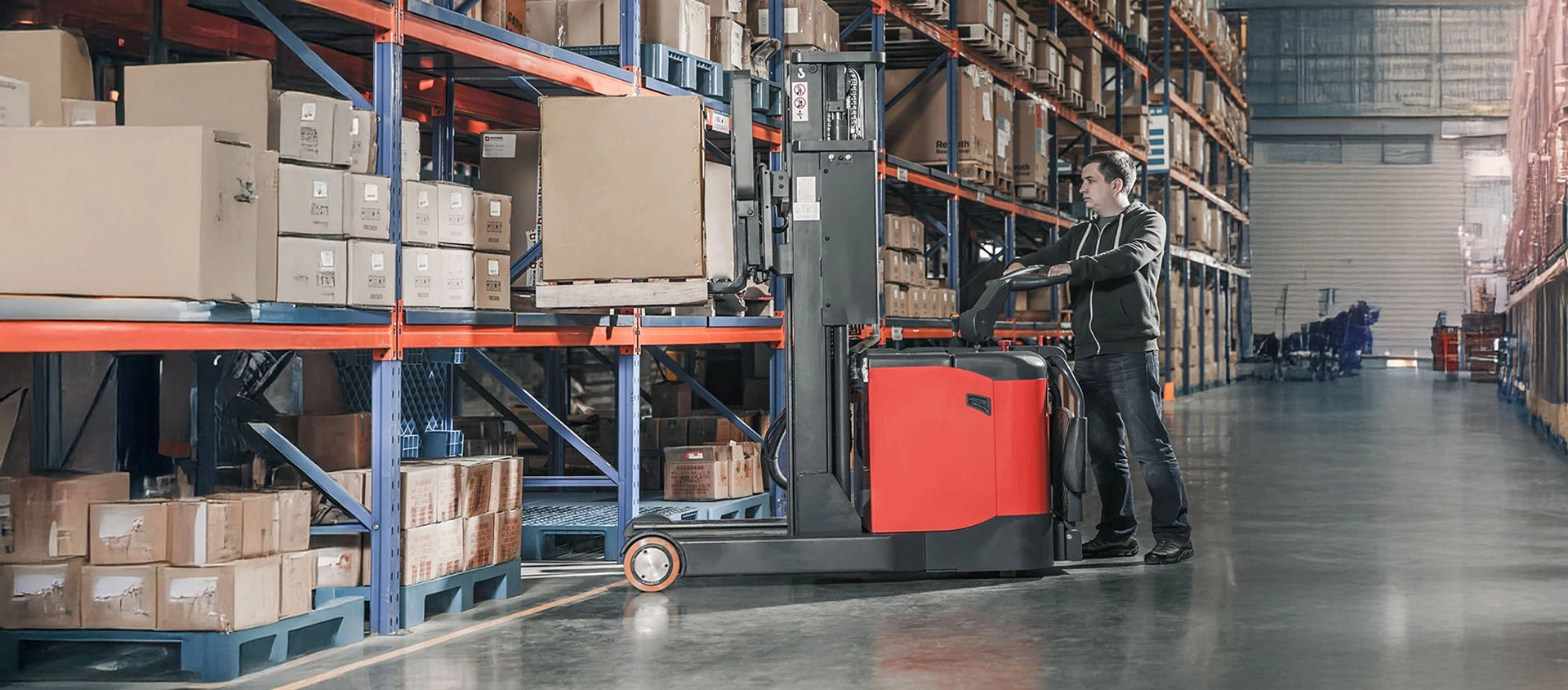
The rapid transition toward quiet, emissions-free, and clean electric fleets has made electric forklifts a staple of the modern Kiwi warehouse. However, transitioning from internal combustion engines to electric power sources introduces localized charging hazards that are often underestimated.
The Hazard
Forklift battery charging areas present multiple distinct safety risks. Traditional lead-acid batteries emit highly explosive hydrogen gas during their charging cycles. Conversely, modern lithium-ion fleets utilize highly concentrated chemistries that, if overcharged or physically damaged, can undergo thermal runaway—burning intensely and emitting highly toxic, corrosive off-gases. Additionally, handling these heavy batteries (often weighing over 1,000 kg) poses severe crushing risks during swaps.
Best Practice Controls
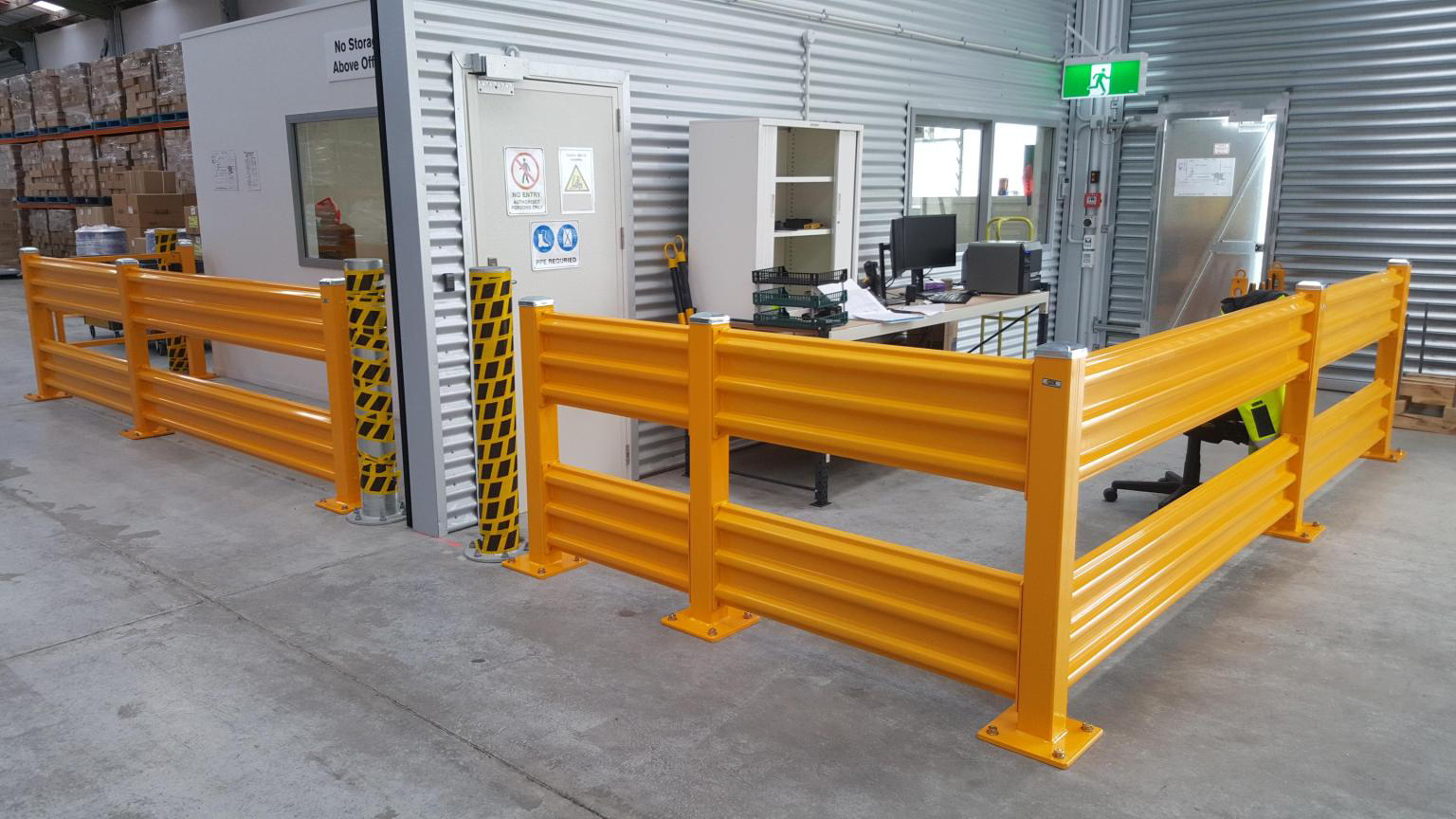
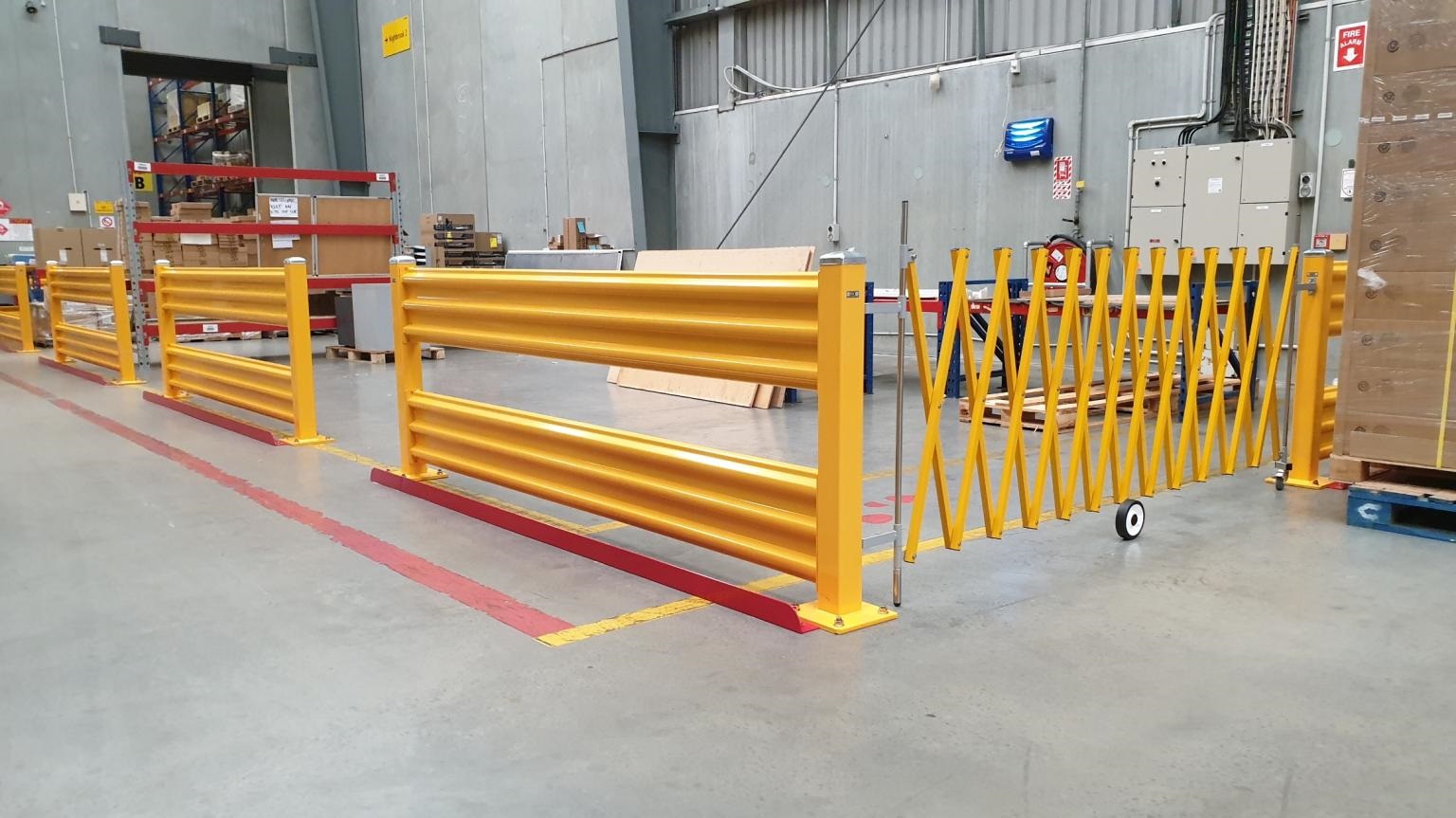
- Designate a dedicated, well-ventilated charging bay isolated from general pedestrian walkways and flammable storage. Protect the charging equipment from accidental vehicle impact by installing high-impact barrier rails.
- Align charging infrastructure with the WorkSafe NZ Electric Vehicle Charging Safety Guidelines to ensure electrical compliance and mitigate short-circuit risks.
- Provide specialised training for employees on safe charging procedures, and equip the charging zone with emergency eye-wash stations, spill kits, and appropriate fire-suppression tools as recommended by NZI.
2. Autonomous Mobile Robots & AGVs (Increasing Automation)
In response to labour shortages and the push for higher throughput, New Zealand logistics operations are increasingly deploying Autonomous Mobile Robots (AMRs) and Automated Guided Vehicles (AGVs) to handle horizontal transport.
The Hazard
Unlike manual forklifts, where a human operator maintains line-of-sight, AMRs rely entirely on software, wireless networks, and onboard optical sensors to navigate. Critical failure modes include optical sensor blinding (caused by dust or bright warehouse lighting), navigation confusion due to reflective concrete floor finishes, wireless network latency delays, and physical sensor muting during heavy payload transport.
Other hazards include mixed pedestrian traffic, poor route planning, emergency stop access, unexpected obstacle detection, and software updates.
Best Practice Controls
- Ensure all robotic deployments comply with international standards applied in New Zealand, such as AS 5144-4 (ISO 3691-4) for driverless industrial trucks and ANSI/RIA R15.08 for mobile robot safety.
- Conduct iterative, site-specific risk assessments before deployment. Map out distinct “cohabitation zones” where humans and robots share space, ensuring robot’s safety-rated laser scanners (typically requiring a Performance Level d / PLd system) are set to appropriate deceleration and stop fields.
- Consult integration guides to optimise safe motion control, collision avoidance, and precise localisation on dynamic warehouse floors.
3. Lithium-Ion Battery Storage (Severe Fire Risk)
Whether managing electric vehicle battery inventories, commercial energy storage systems (ESS), or power tools, the bulk storage of lithium-ion batteries is one of the most high-consequence risk areas in modern warehousing.
The Hazard
Lithium-ion batteries store an exceptional amount of energy in a compact footprint. When a cell is compromised due to mechanical impact, manufacturing defects, or exposure to external heat, it can experience thermal runaway.
This self-sustaining exothermic reaction leads to explosive cell rupture, intense fires that cannot be extinguished by standard water-based systems, and the release of toxic, flammable gas mixtures (including hydrogen fluoride).
Even after being seemingly extinguished, "stranded energy" inside the pack can cause the battery to catastrophically re-ignite hours or days later.
Best Practice Controls
- Establish strict segregation on the warehouse floor. Store bulk lithium-ion inventories away from main egress routes, structural building columns, and other highly combustible materials.
- Refer to local emergency protocols, such as Fire and Emergency New Zealand's Lithium-Ion Battery Safety Guidelines and WorkSafe NZ's Safe Use of Lithium-Ion Batteries Advice, which highlight that battery smoke is highly toxic and requires immediate evacuation and specialized FENZ response.
- For charging and storing battery-operated tools on-site, invest in double-walled steel dangerous goods cabinets engineered to FM6050 and NFPA standards, such as those detailed in the pH7 Lithium-Ion Battery Storage and Charging Smart Cabinets Overview.
4. E-Commerce Congestion & Pedestrian Traffic
The ongoing boom in online shopping and rapid home-delivery expectations has significantly compressed warehouse order-fulfilment times, leading to heavily congested layouts and high-speed, high-density operations.
The Hazard
Increased inventory density leads to narrow, cluttered aisles and a massive uptick in traffic. This congestion dramatically elevates the risk of pedestrian-forklift collisions—historically the leading cause of catastrophic crush injuries and fatalities in New Zealand warehousing. High-velocity operations also compound risks of worker overexertion, repetitive strain musculoskeletal disorders (MSDs), and falling stock from overloaded or damaged racking.
Best Practice Controls
- Implement total physical segregation wherever possible. Use heavy steel barrier rails and safety gates rather than mere painted lines to separate active forklift zones from pedestrian walkways, as outlined in Astrolift NZ's Ultimate Guide to Warehouse Safety.
- Strictly manage your pallet racking systems. Under the Health and Safety at Work Act 2015, racking is legally defined as a structure and must be maintained. Warehouse operators should implement a dual-inspection program: monthly internal visual checks and mandatory annual independent structural inspections compliant with the updated joint standard AS/NZS 4084:2023.
- Ensure all racking configurations clearly post maximum safe load limits on beams, keep inventory at least 0.5 metres clear of fire sprinklers, and ensure forklift drivers are certified and refreshed every three years under the WorkSafe NZ Forklift Training Approved Code of Practice (ACOP).
5. Temporary Workers (Lower Safety Awareness)
New Zealand warehousing and distribution networks rely heavily on recruitment agencies and contingent labour to manage seasonal peaks, particularly during promotional events and winter/summer holidays.
The Hazard
Statistics indicate that temporary and contract workers face a significantly higher rate of workplace injuries than permanent staff. Temporary workers often suffer from a "safety awareness gap" due to inadequate site induction, unfamiliarity with localized heavy machinery hazards, and a cultural reluctance to report near-misses, ask for help, or raise safety concerns due to job insecurity.
Best Practice Controls
- Overlapping PCBU Duties: Under the Health and Safety at Work Act 2015, the host employer and the staffing recruitment agency share overlapping duties as co-PCBUs. You cannot contract out of these health and safety obligations. Both parties must actively consult, cooperate, and coordinate their activities, as detailed in the WorkSafe NZ PCBU Overlapping Duties - Contracting Guidelines.
- The host employer must treat temporary workers identically to permanent employees. Provide comprehensive, site-specific hazard training, supply matching high-quality personal protective equipment (PPE), and actively include them in safety toolbox talks.
- The staffing agency must conduct due diligence audits of the host's warehouse floor before placing workers and maintain regular contact with employees to monitor their safety and well-being.
6. Contractor Activity (Unfamiliar Hazards)
On-site contractors performing maintenance, mechanical repairs, structural racking alterations, or electrical upgrades are frequently exposed to high-hazard industrial environments while operating around active warehouse workflows.
The Hazard
Contractors are often introduced into a facility to perform complex, high-risk interventions (such as working at heights or machinery maintenance) in areas they are unfamiliar with. Because they are not part of the day-to-day warehouse team, they may not be aware of localised traffic patterns or blind spots, and their activities can easily introduce new risks to your permanent workforce.
Best Practice Controls
- Establish a robust Safe System of Work that governs all contractor activity from procurement to completion. This must include a mandatory safety induction, pre-work risk assessments (such as Job Safety Analyses or JSAs), and formal permits for high-risk work.
- Enforce strict Group Lockout/Tagout (LOTO) protocols when contractors are servicing machinery, conveyor networks, or automated palletizers to prevent accidental re-energization.
- Actively coordinate overlapping workflows. If contractors are working on a section of pallet racking or servicing an overhead light fixture, that specific zone must be completely cordoned off to prevent forklift traffic and protect workers below from falling objects. Maintain open communication channels between your floor supervisors and the contract lead, utilizing the practical framework in WorkSafe NZ's Guide to Working with Other Businesses.
Is Your Warehouse Safety Infrastructure Up to the Mark?
Managing these critical operational risks requires more than updated safety policies—it demands rugged, physical protection on the warehouse floor. Whether you need heavy-duty steel barrier rails to isolate your forklift lanes, modular machine guard fencing for new automation cells, or professional advice on layout safety, Astrolift has you covered.
We provide nationwide supply and full, turnkey installation capabilities to ensure your safety infrastructure is anchored, compliant, and built to last.
Don't leave your team unprotected. Contact the Astrolift team today on 0508 427 876 to discuss your facility's requirements, request a bulk quote, or get expert layout advice from our specialists.