

Practical Warehouse Safety: How to Design, Equip, and Protect Your Facility
Running a safe warehouse isn't just about ticking compliance boxes. It's about building an environment where your people can do their jobs without having to worry about what's coming around the corner — and where the risks are managed by design, not just by hoping everyone follows the rules.
We've been helping NZ businesses do exactly that since 2006. So here are our practical warehouse safety tips, covering everything from layout and forklift risk to load stability and the essential equipment every facility should have.
How Do You Design a Safe Warehouse?
Safety in a warehouse starts on paper, before a single barrier is installed or a forklift enters the building. The way your facility is laid out has an enormous impact on the risks your team faces every day.
Here's how to think about it.
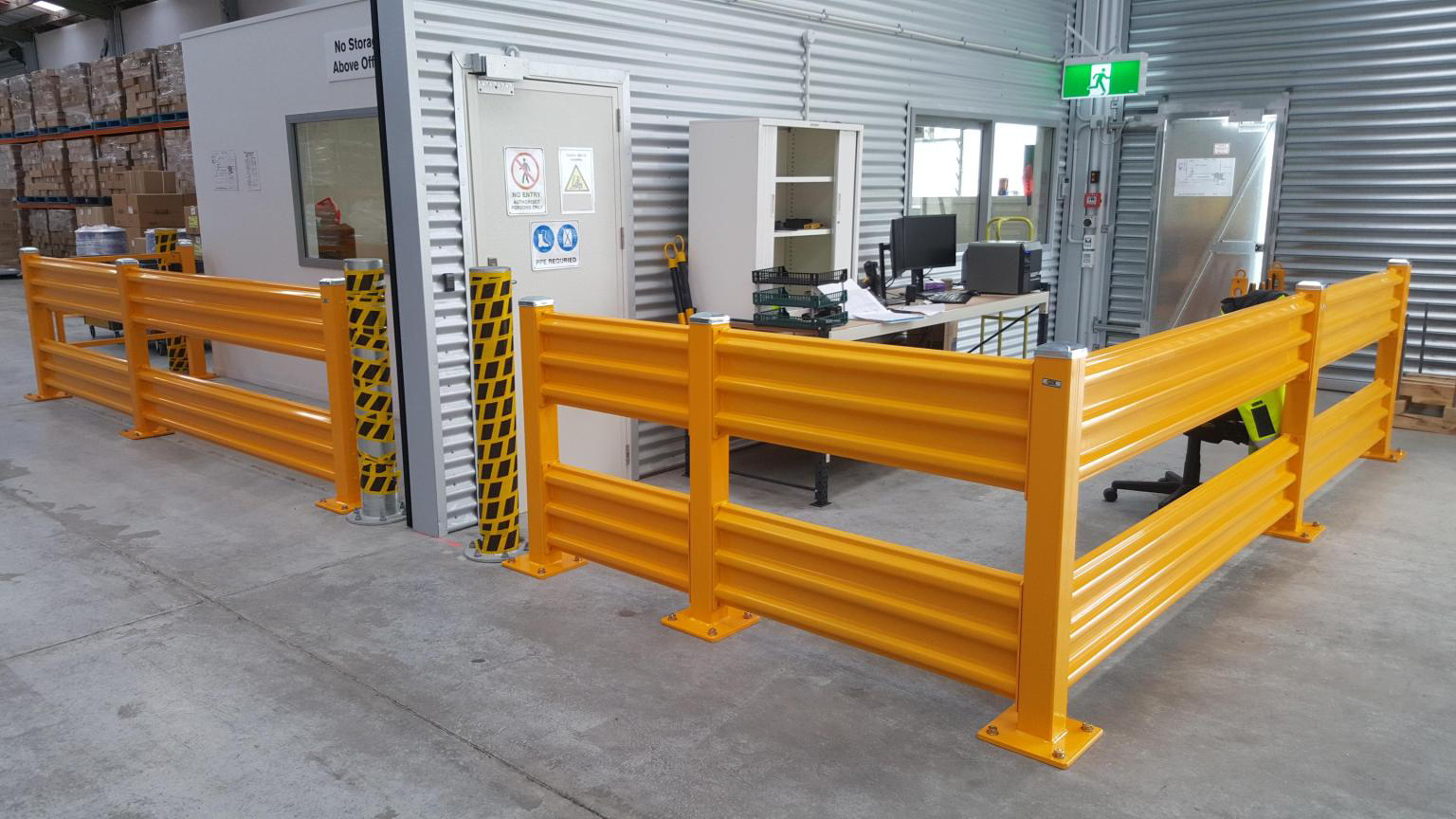
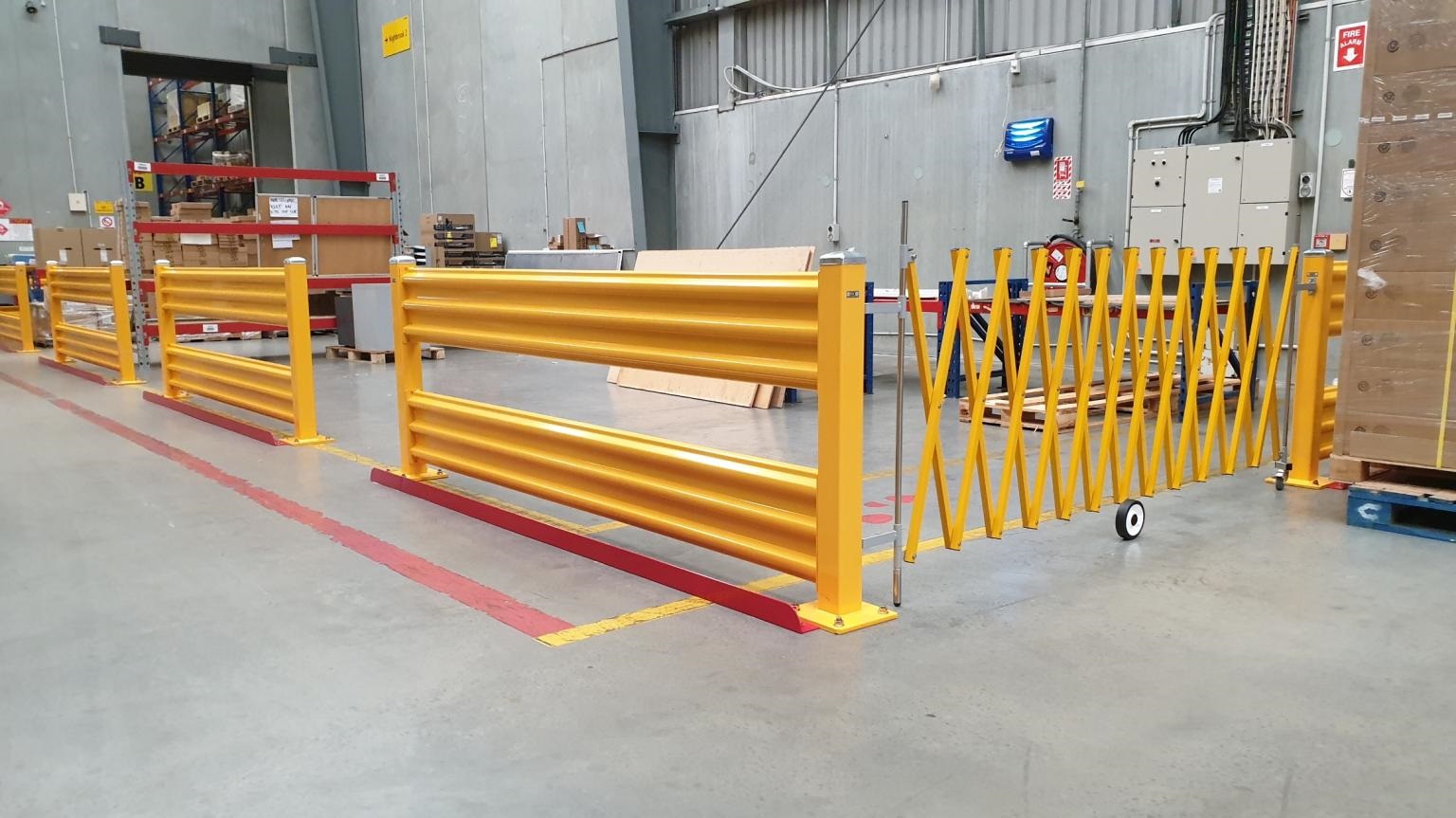
Separate people from vehicles from the start. The most important design principle is keeping pedestrians and forklifts on different paths. Define clear vehicle lanes and pedestrian walkways, and physically separate them with barriers — not just painted lines on the floor. A painted line is easy to ignore. A barrier isn't.
Eliminate blind spots wherever possible. Blind corners, poorly lit areas, and tight intersections are where near-misses happen. When you're designing or reorganising your layout, think about sightlines. Where can't a forklift driver see clearly? Where might someone step out without checking? Then design — or equip — your way out of those situations with mirrors, barriers, and clear signage.
Define traffic flow clearly. One-way vehicle routes reduce the chance of two forklifts meeting head-on in a narrow aisle. Clearly marked entry and exit points for loading areas keep vehicle and pedestrian movement predictable.
Control access to hazardous zones. Not everyone in your facility should be able to wander into the loading dock, the charging area, or around heavy machinery. Use barriers, gates, and signage to make those boundaries obvious and physical.
Think about the loading dock separately. It's one of the most high-risk areas in any warehouse, and it deserves its own safety planning — bumpers, wheel chocks, safety gates, dock levellers. Don't treat it as an afterthought.
Review your layout regularly. Warehouses change — new equipment gets added, stock volumes increase, workflows shift. A safety layout that worked two years ago might not work today. Regular walkthroughs with safety in mind will catch issues before they become incidents.
How Do You Reduce Forklift Accidents?
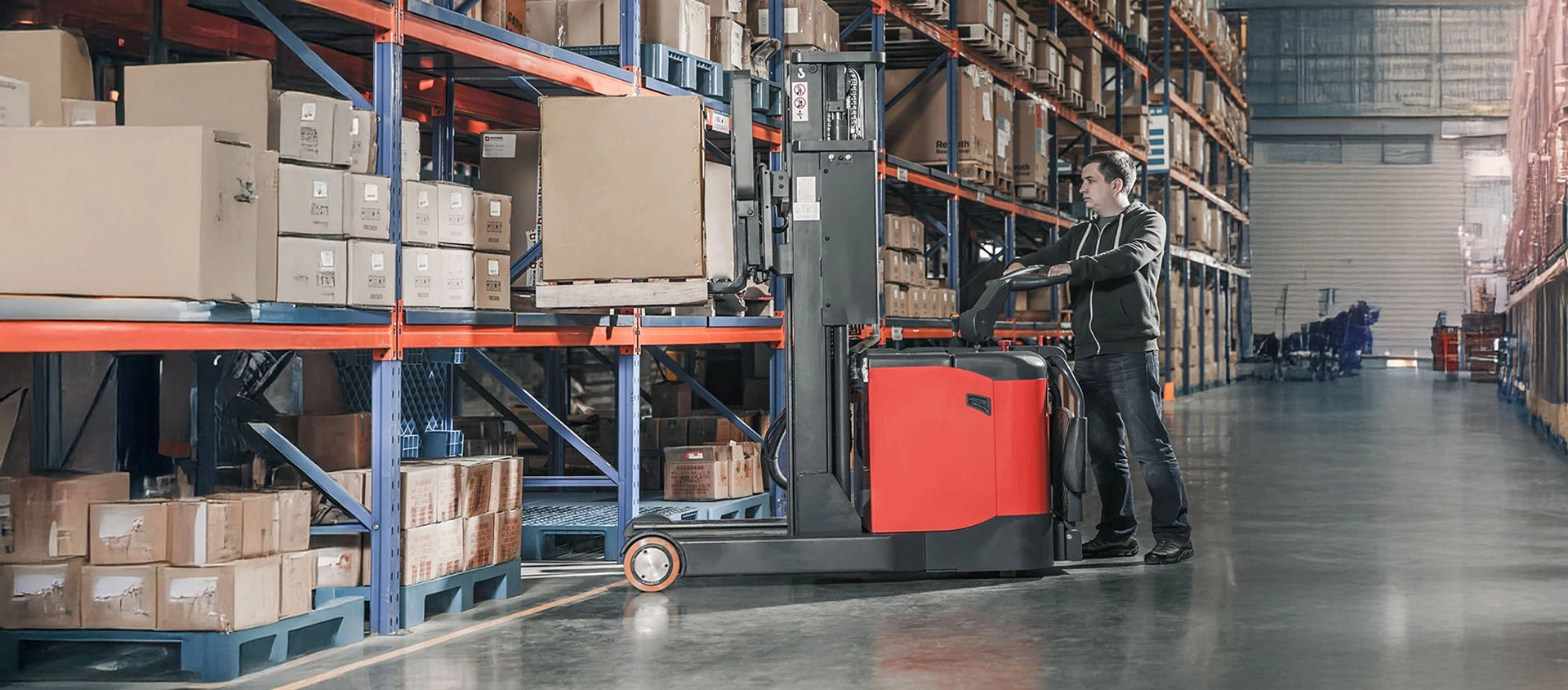
Forklifts are essential. They're also responsible for a significant proportion of serious workplace injuries in NZ warehouses. The good news is that most forklift accidents are preventable — and they're usually the result of a few common, fixable problems.
Physically separate forklifts and pedestrians. This is the single most effective thing you can do. Training helps, signage helps — but physical separation through barriers and pedestrian walkways is the most reliable. When the route is defined and protected, contact between forklifts and people becomes far less likely.
Improve visibility at risk points. Convex safety mirrors at blind corners and aisle intersections let forklift drivers see pedestrians before they become a hazard — and let pedestrians see approaching vehicles. They're inexpensive and genuinely effective.
Manage speed. Forklifts travelling too fast for the environment are a major risk factor. Speed humps, speed limit signage, and clear traffic management rules all contribute to keeping speeds at a safe level.
Keep walkways clear. Stock, equipment, and debris left in pedestrian or vehicle paths create hazards that compound quickly. Clear, well-organised facilities with defined storage zones reduce the chance of impromptu obstacles ending up in the wrong place.
Maintain your equipment. A forklift with faulty brakes, worn tyres, or a damaged mast is a significant risk. Regular inspections and a clear maintenance schedule aren't optional — they're foundational.
Make sure operators are trained and certified. This one should go without saying, but it's worth stating clearly: anyone operating a forklift needs to be properly trained, licensed, and familiar with the specific machine they're using.
Use technology where it makes sense. Speed governors, proximity warning systems, and blue safety lights (which project a visible warning light on the floor ahead of or behind a forklift) are all options for higher-risk facilities where additional layers of protection make sense.
What Equipment Separates Forklifts and Pedestrians?
An unstable pallet load is a hazard that's easy to overlook — until something falls. Loads that shift during transit, tip during movement, or collapse during storage can injure people, damage goods, and cost your operation real money.
Here's what keeps loads where they're supposed to be:
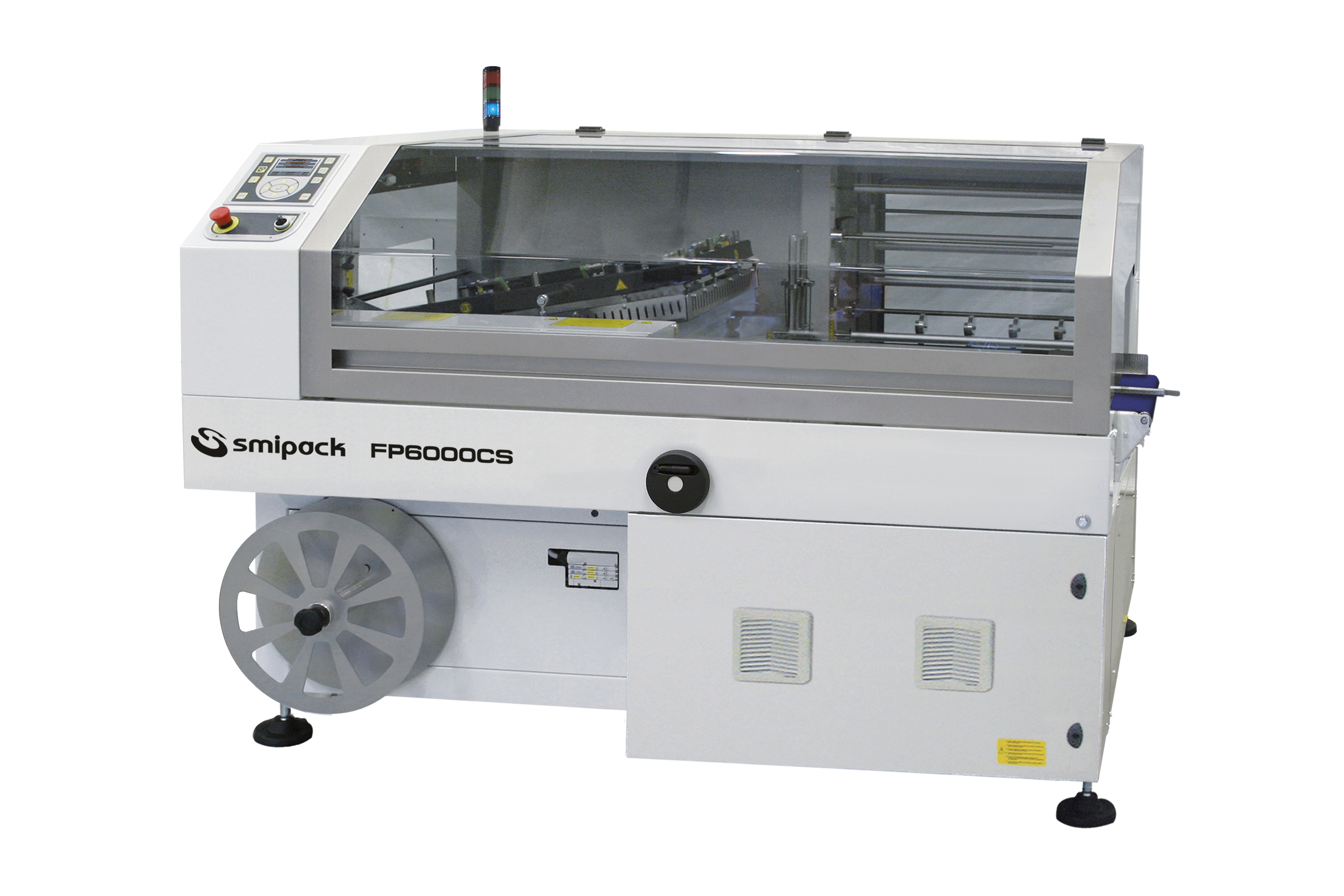
Pallet wrappers are the most effective solution for load stabilisation. A machine-wrapped pallet applies consistent, high-tension stretch film across the entire load — far more reliably than hand wrapping, which varies with every person and every wrap. The film stretches as it's applied, creating a tight, cohesive unit that holds together under the stresses of transport and storage.
Astrolift's range includes rotating turntable wrappers (the most common option for loads up to 2,400kg), rotating arm wrappers for heavy or unstable loads where spinning the pallet isn't practical, and robotic pallet wrappers that move around the load — ideal for oversized or irregularly shaped pallets that can't easily be placed on a turntable.
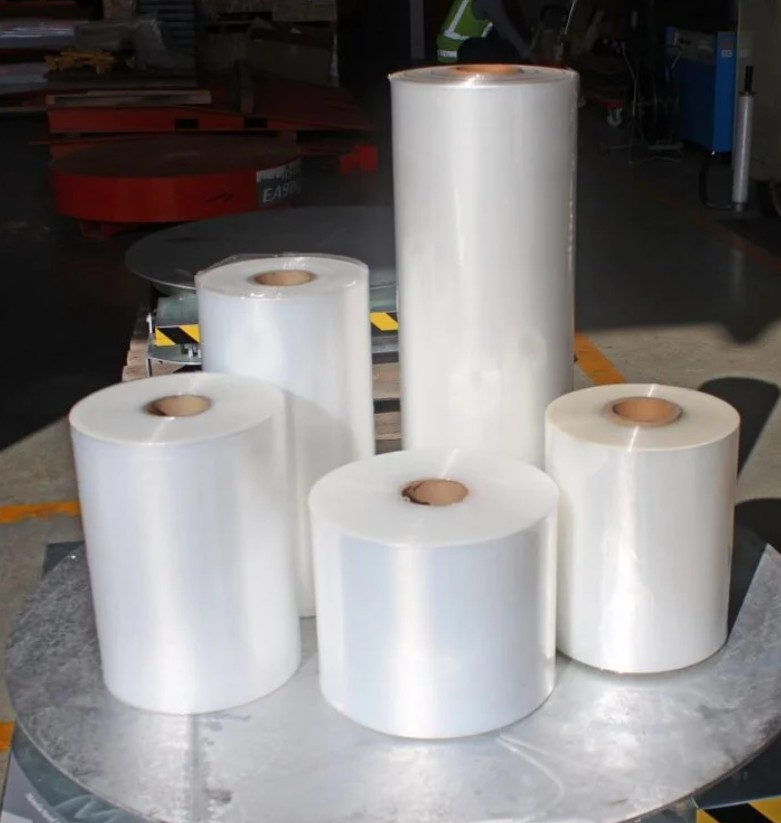
Stretch wrap film matters too, not just the machine. High-quality film with the right pre-stretch ratio means better load security with less film per pallet — which reduces material costs while improving performance.
Anti-slip layer sheets placed between stacked layers of product prevent individual items from sliding during transit. Simple, inexpensive, and genuinely effective for loads prone to movement.
Proper stacking practice underpins everything. Heavier items at the bottom, lighter items on top. Load within the pallet boundary — nothing overhanging. Stack square and tight so there's minimal gap for items to shift into.
Pallet straighteners are worth a mention for operations where pallets arrive in poor condition. Straightening and restacking a damaged load before it goes into storage or onto a truck prevents the kind of instability that causes problems downstream.
What Is Essential Warehouse Safety Equipment?
If you're building out a safe warehouse from scratch — or auditing what you already have — here's the essential list. Some of these we've already covered in detail above; others deserve a mention here because no safety equipment list is complete without them.
Pedestrian barriers and gates are your most important investment — they do the heavy lifting of keeping people and vehicles apart. We've covered these in depth earlier in this post and in our full pedestrian barriers NZ guide →
Traffic barriers and bollards control vehicle movement and protect your building structure, machinery, and critical equipment from impact damage.
Convex safety mirrors at every blind corner and intersection. Inexpensive, easy to install, and genuinely effective.
Safety signage communicates the rules of your facility — speed limits, hazard zones, pedestrian crossings, emergency procedures. It backs up your physical measures and keeps everyone on the same page.
Expandable barriers and mezzanine gates cover the access points that need to be controlled without being permanently blocked — and any elevated storage edge where fall protection is non-negotiable.
Loading dock equipment — bumpers, wheel chocks, and a dock leveller — is standard kit for any facility with a loading operation, not an optional extra. If you're not sure whether your dock is properly set up, we've put together a full breakdown: Loading Dock Safety Equipment: What You Need and Why It Matters →
Pallet wrappers and stretch film stabilise your loads before they move. An unstable pallet is a hazard on the floor, on the forklift, and in the truck — and it's one of the easiest risks to eliminate.
Appropriate lighting. Poor lighting contributes to accidents in a way that no amount of barriers can fully compensate for.
The honest truth is that no single piece of equipment makes a warehouse safe on its own. It's the combination — the layout, the barriers, the equipment, the training, and the procedures — that creates a genuinely safe working environment.
Not Sure Where to Start?
That's what we're here for. Whether you're setting up a new facility or looking at what needs to improve in an existing one, our team can help you work through it — from the layout conversation right through to product selection and installation.
Let us know what you're working with and we'll help you find the right solution. No jargon, no pressure — just practical advice from people who know NZ warehouses inside out.