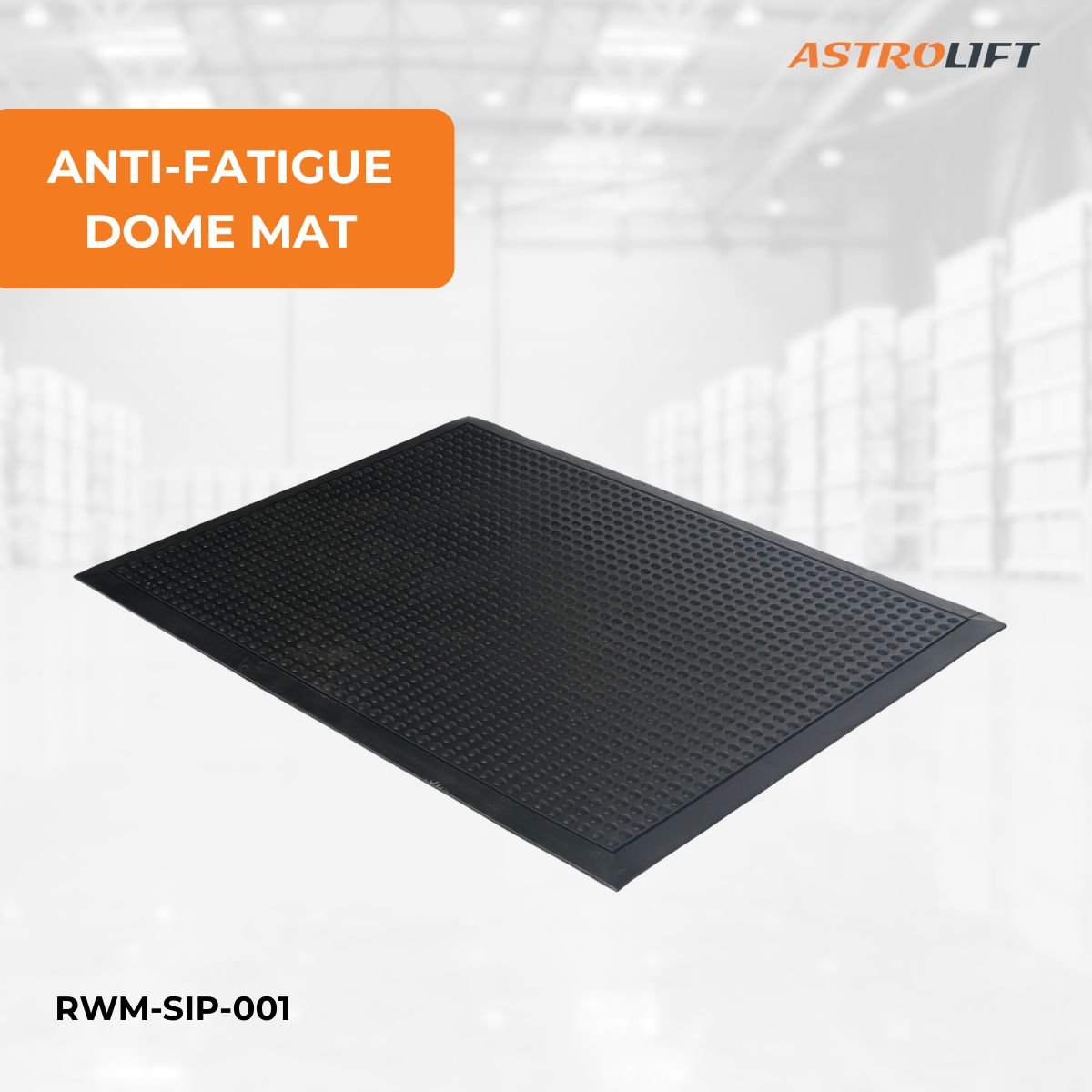
What is an anti-fatigue mat and how does it actually work?
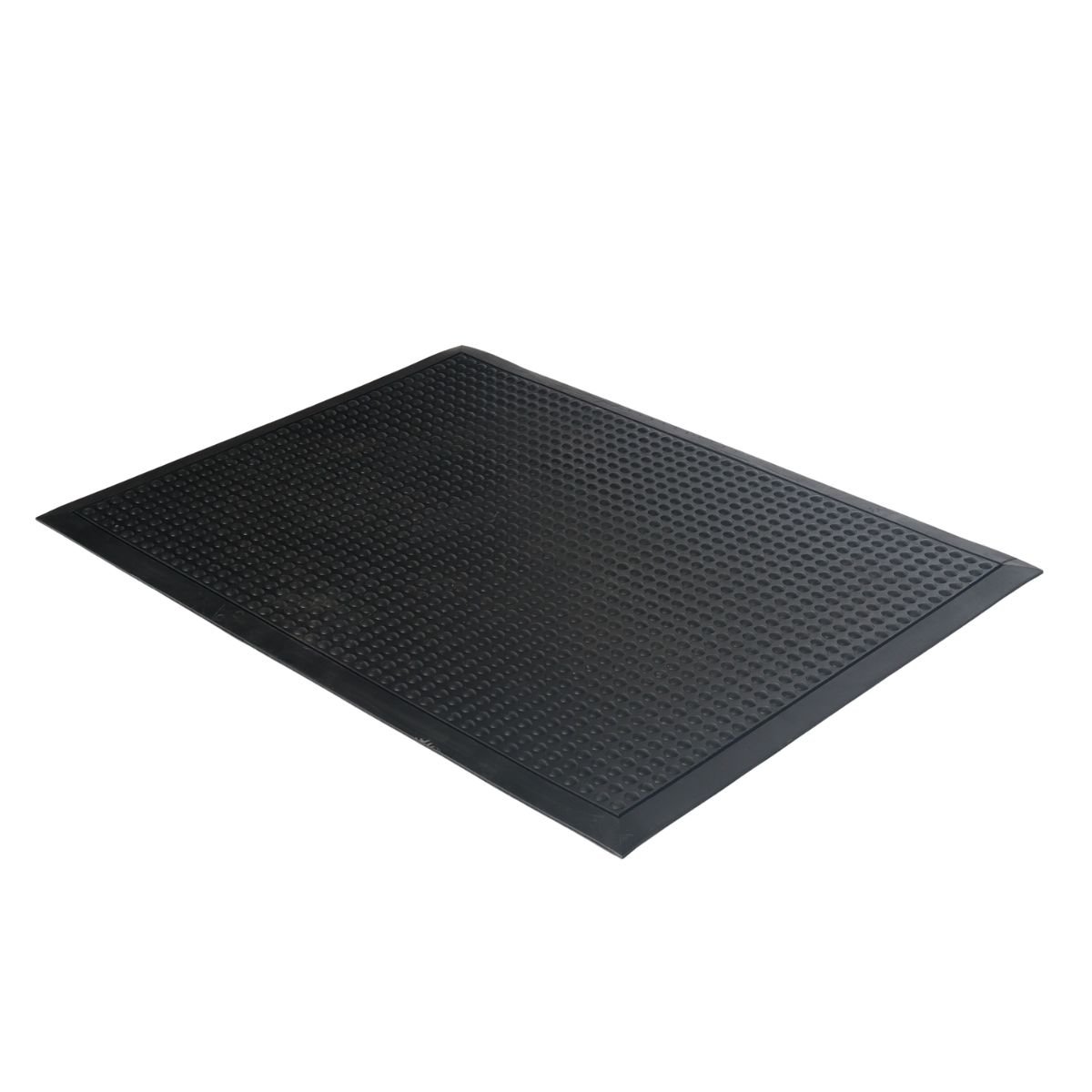
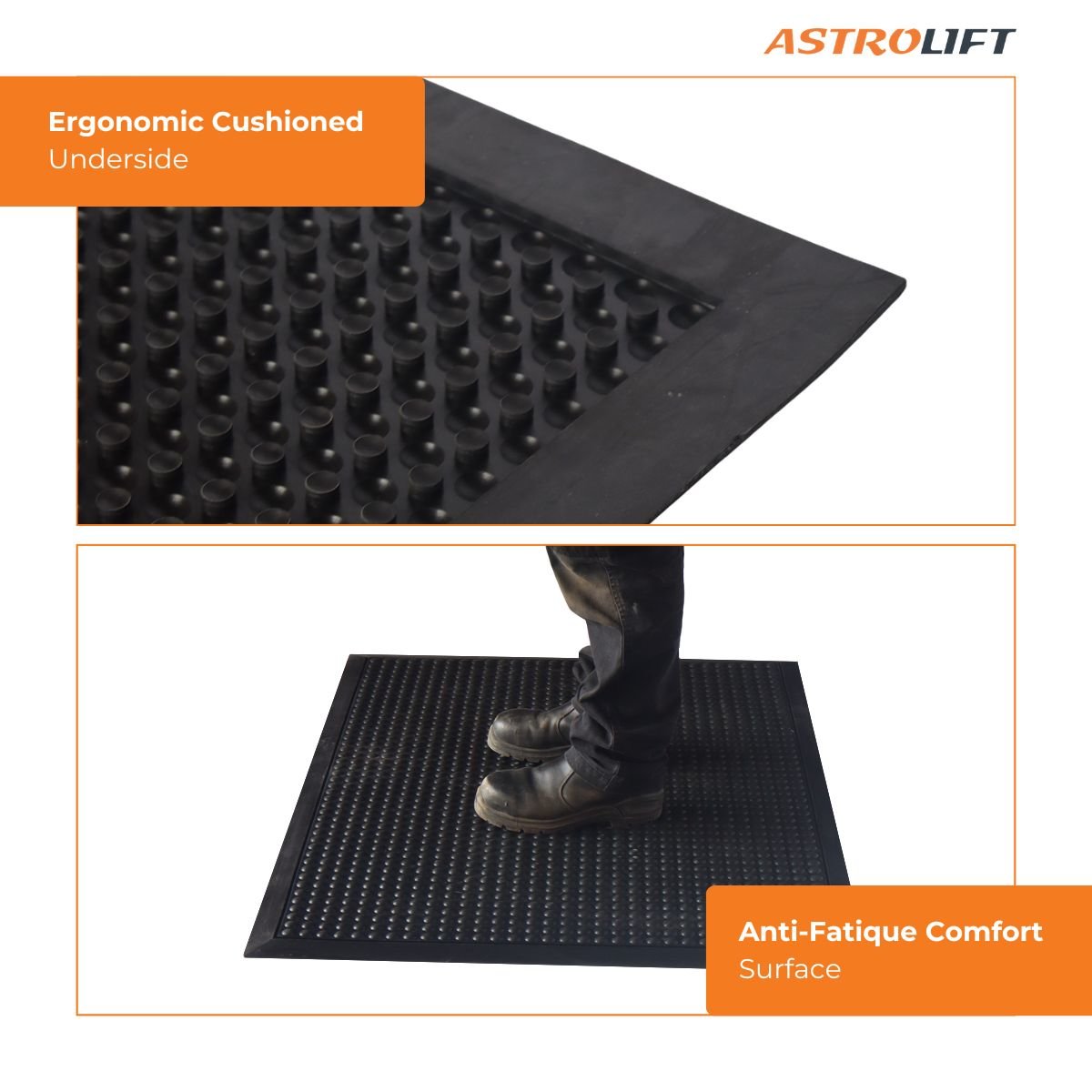
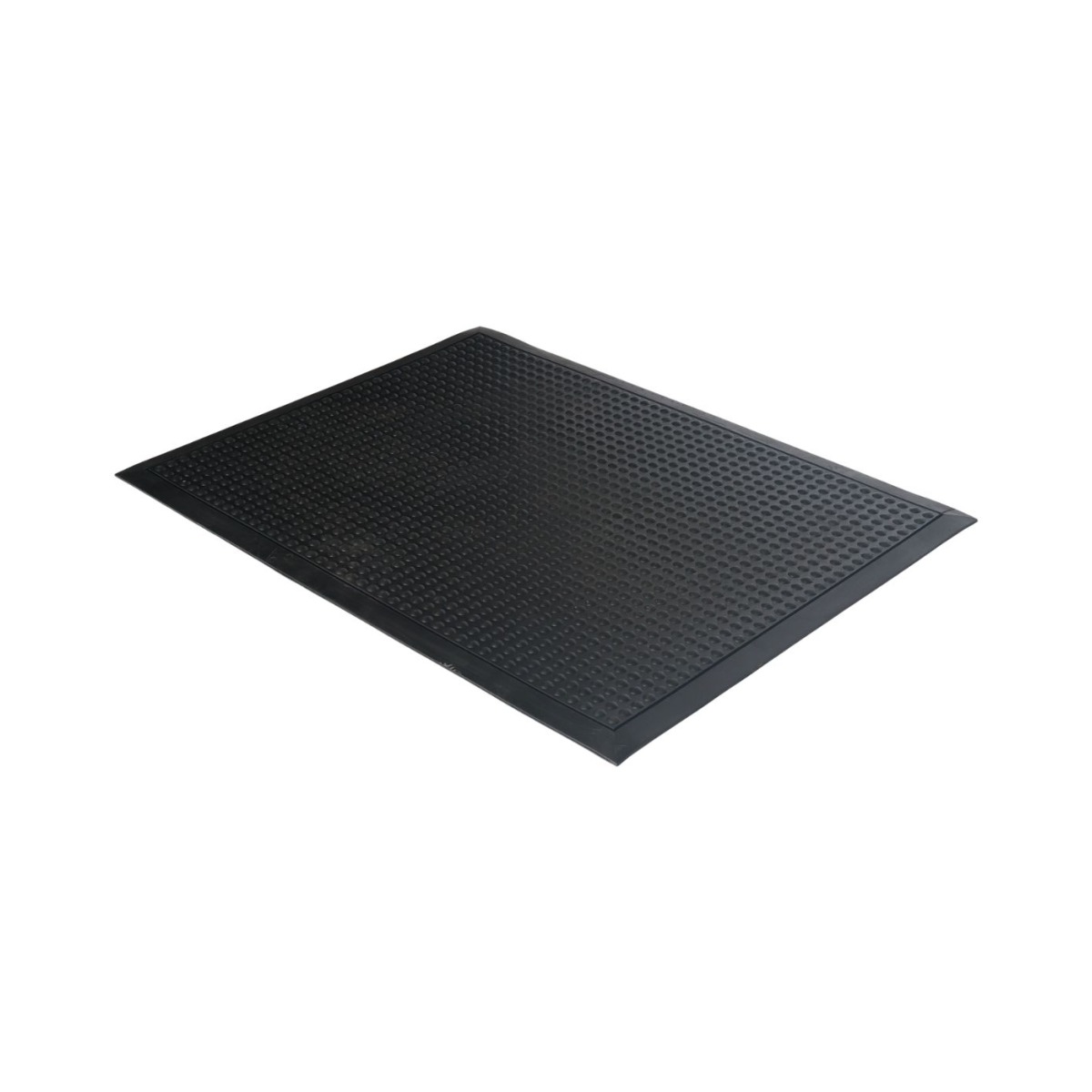
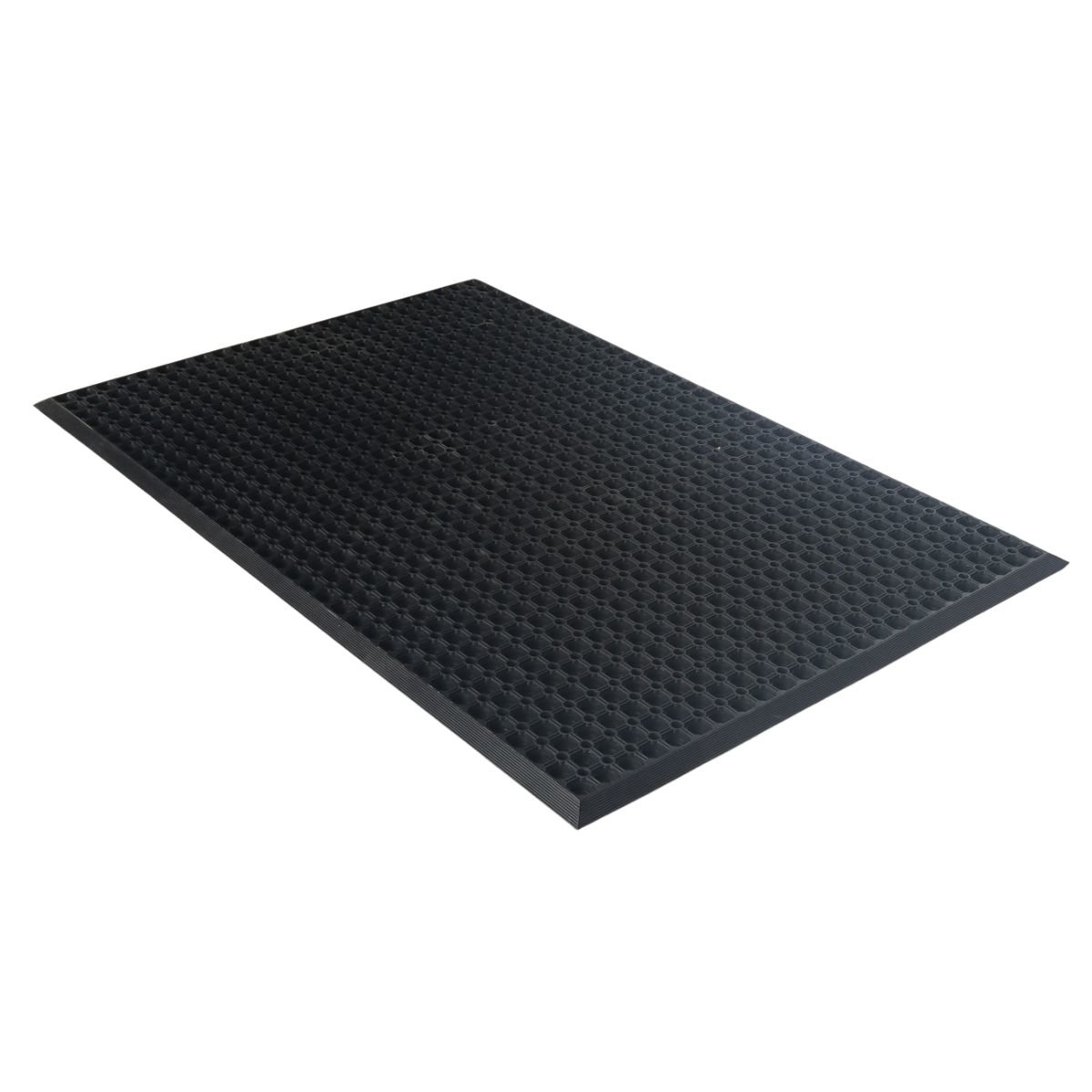
An anti-fatigue mat is designed to reduce physical strain caused by standing for long periods on hard flooring such as concrete or tile. It works by creating a slightly cushioned and responsive surface that encourages small, natural movements in the feet and lower legs. These micro-movements help improve circulation and reduce pressure on joints, which in turn reduces discomfort and fatigue over long shifts.
Where should anti-fatigue mats be used?
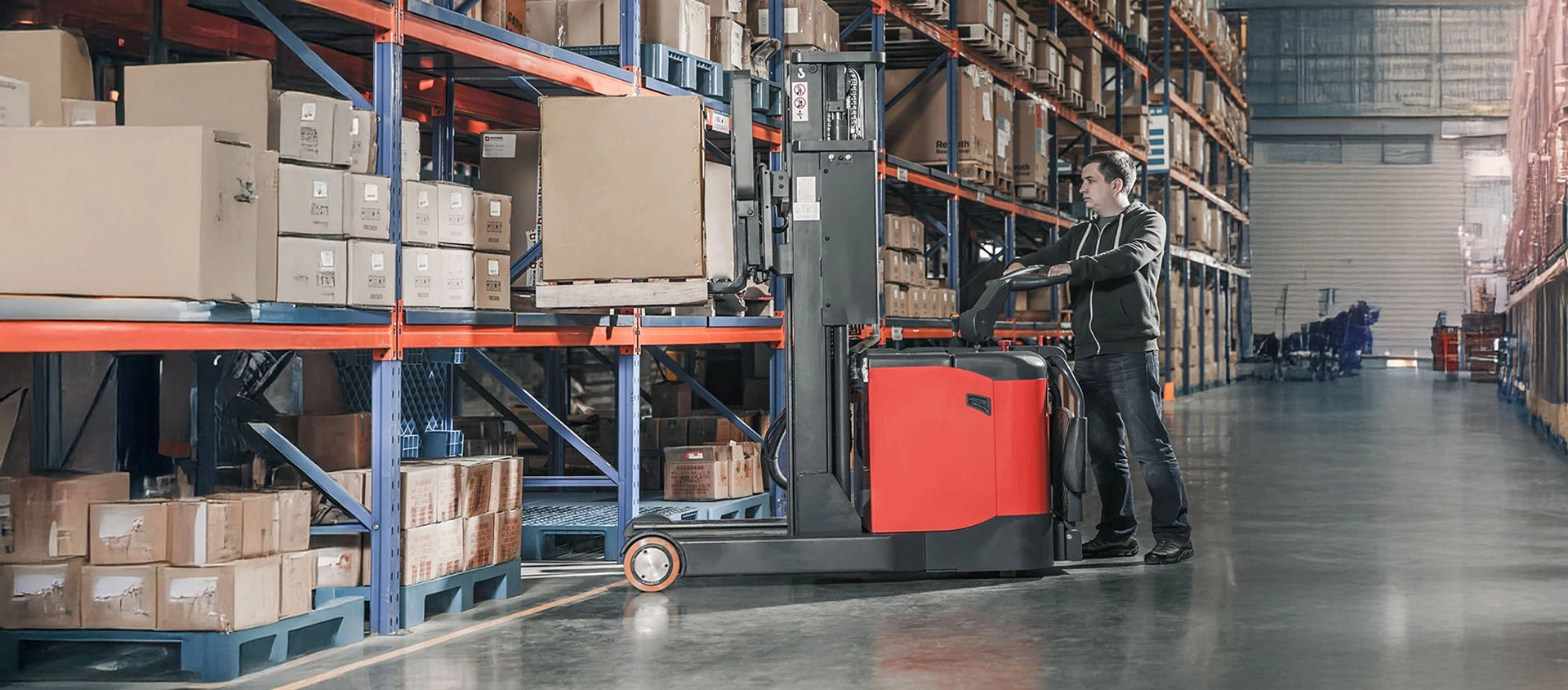
They are most effective in any environment where employees are standing for extended periods. In general, if staff are stationary for long durations, anti-fatigue matting should be considered part of the workstation setup.Mostly in these industries: Warehouses and dispatch areas, Manufacturing and production lines, Packing and inspection stations, Retail counters and service desks,Commercial kitchens and workstations.
What is the difference between anti-fatigue mats and anti-slip mats?
These two products are often confused but serve different primary functions:
- Anti-fatigue mats: Focus on comfort and reducing physical strain from prolonged standing,
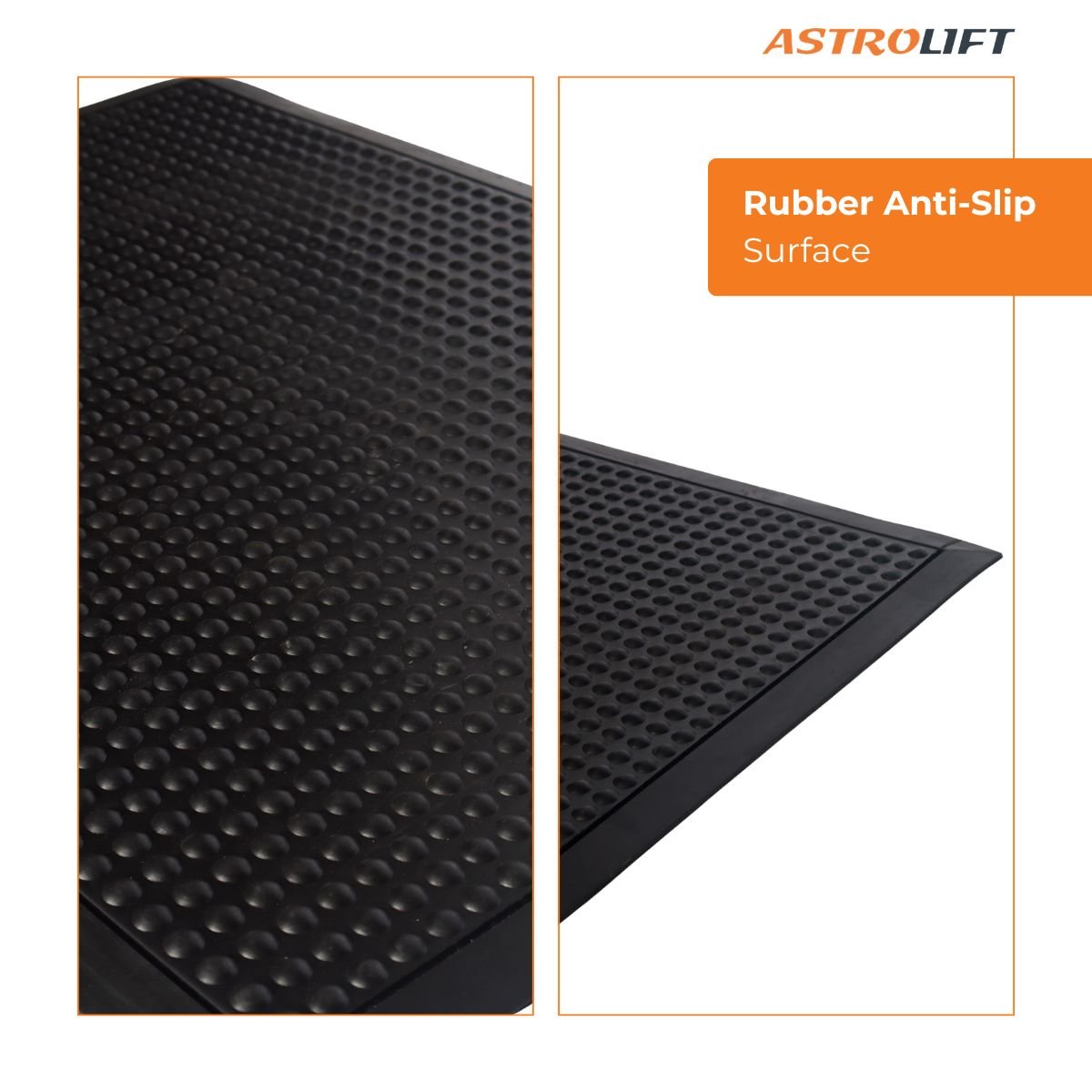
- Anti-slip mats: Focus on improving traction and reducing slip risks, especially in wet, oily, or high-traffic areas.
Some industrial mats combine both features, offering cushioning plus slip resistance for environments where safety and comfort are equally important.
How long do anti-fatigue mats last?
Service life depends on usage intensity and environment. In light-duty settings, they may last several years. In heavy industrial environments with forklift traffic, chemical exposure, or constant use, replacement may be required sooner. Regular inspection is important, worn or compressed mats lose both comfort and safety performance.
When should anti-fatigue mats be replaced?
Replace mats when you notice:
- Permanent flattening or compression,
- Cracks or surface wear,
- Reduced grip or movement on the floor,
- Loss of cushioning effect,
A worn mat not only reduces comfort but can also introduce trip or slip hazards.