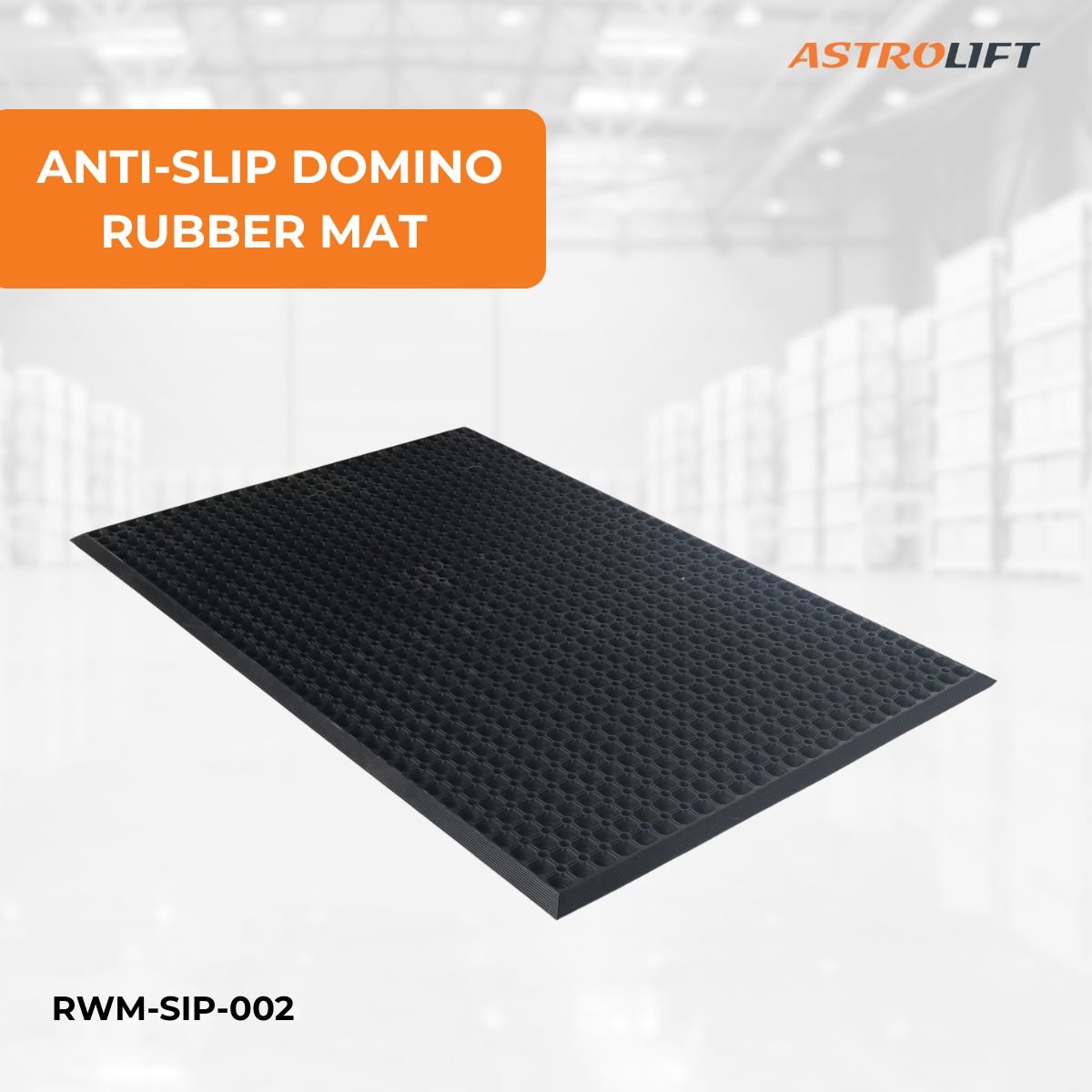
What is an anti-slip mat and what does it do?
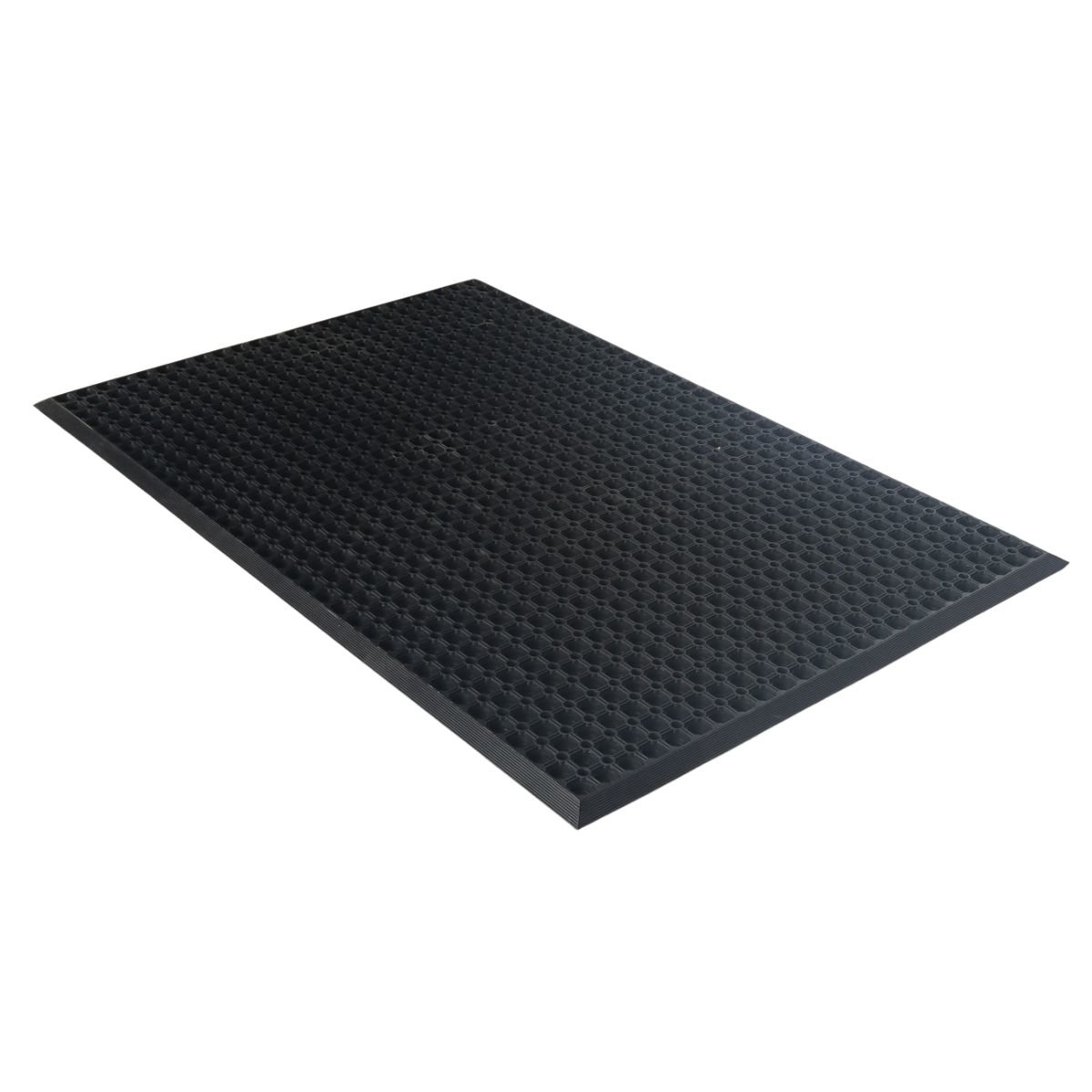
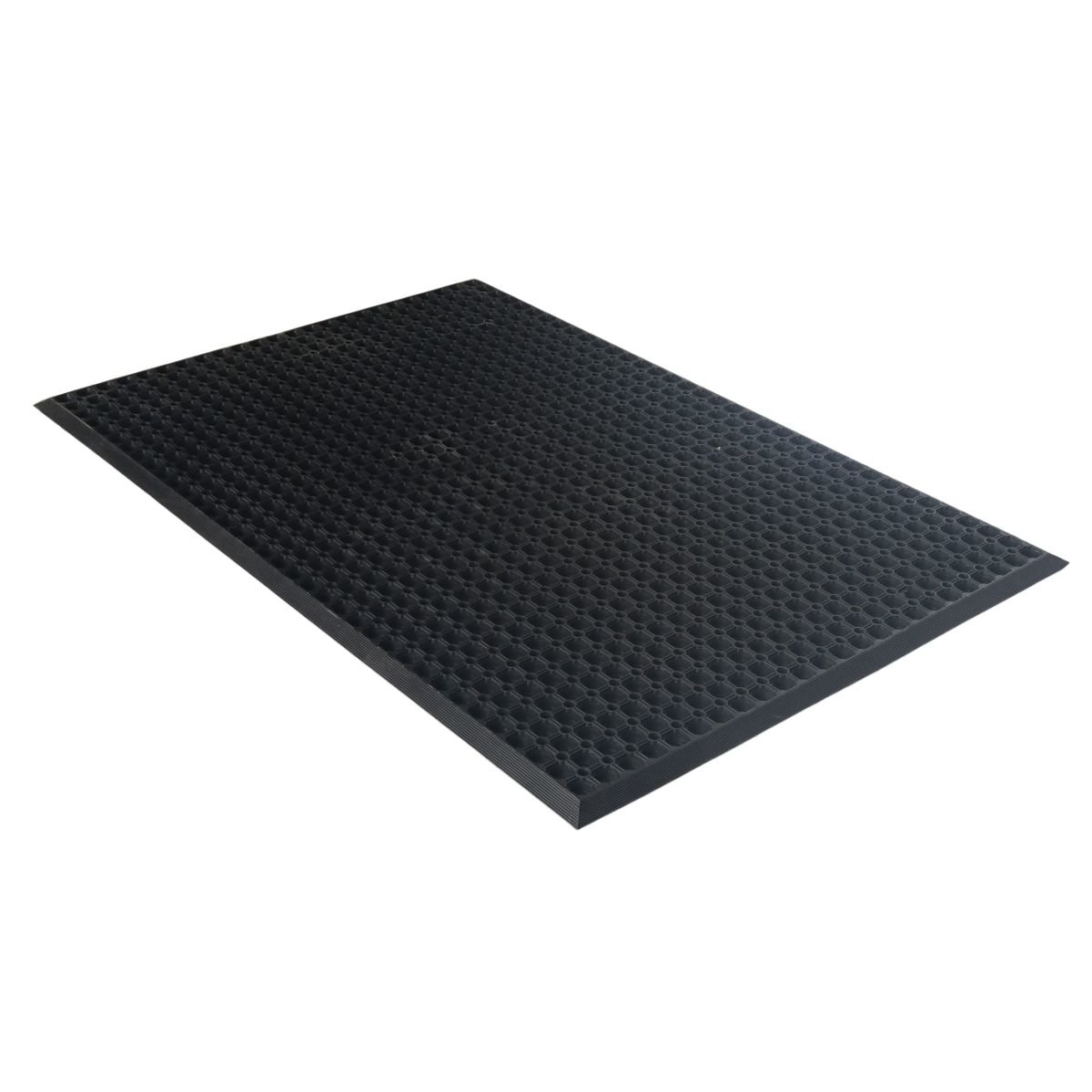
An anti-slip mat is designed to improve underfoot traction and reduce the risk of slips, trips, and falls in the workplace. It creates a safer walking or standing surface by increasing grip between footwear and the floor, particularly in environments where moisture, oil, or debris are present.
How do anti-slip mats actually prevent slipping?
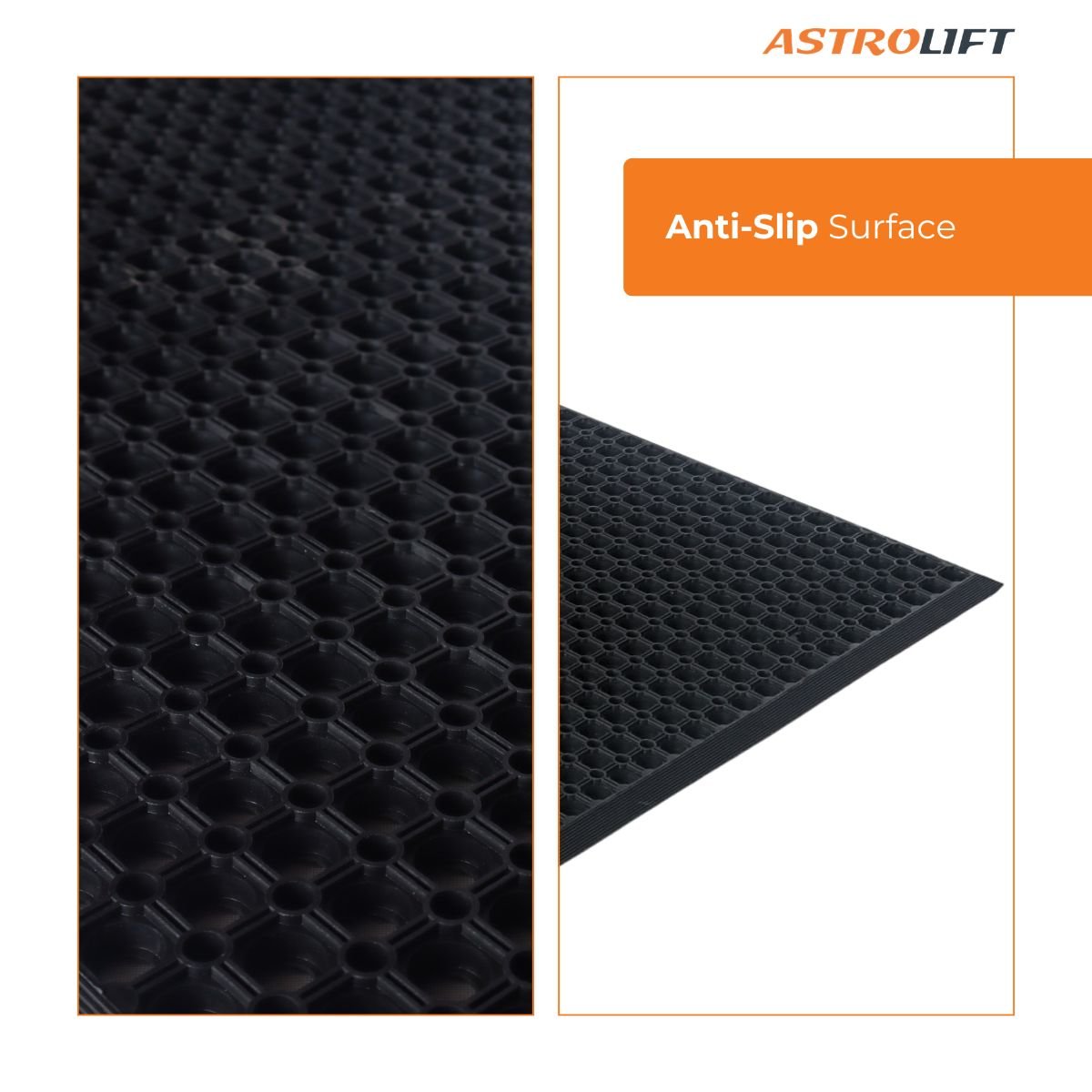
Anti-slip mats reduce slip risk through a combination of design features: Textured or grit surfaces that increase friction underfoot, Drainage holes that allow liquids and debris to pass through, High-grip backing that keeps the mat stable on the floor
Together, these elements prevent the “film” of water or contaminants that typically causes slips.
Where should anti-slip mats be used?
They are most effective in areas where slip hazards are common, such as:
- Entryways exposed to rain,
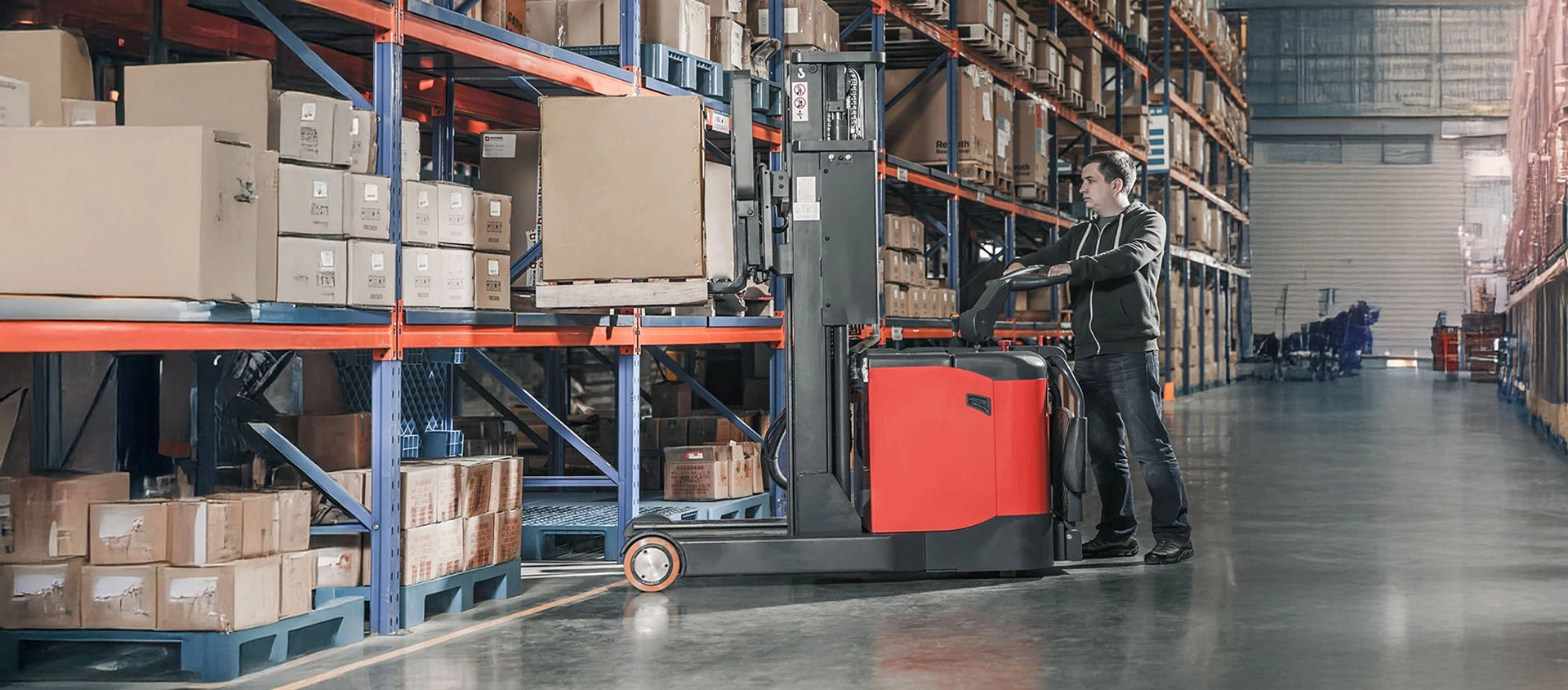
- Warehouses with smooth concrete floors,
- Food processing or commercial kitchens,
- Workshops with oil or chemical exposure,
- Washdown or cleaning zones
.
Any location where floors can become contaminated should be considered a priority.
Are anti-slip mats really necessary in the workplace?
Yes—slips and trips are one of the leading causes of workplace injuries. Implementing anti-slip matting is a simple, cost-effective control measure that directly reduces risk exposure.
What is the difference between anti-slip mats and standard floor mats?
Standard mats are typically designed for dirt control or comfort, while anti-slip mats are engineered specifically for safety. They include: Higher traction surfaces, More durable materials, Resistance to water, oil, and chemicals
In short, anti-slip mats are a safety product—not just a floor covering.
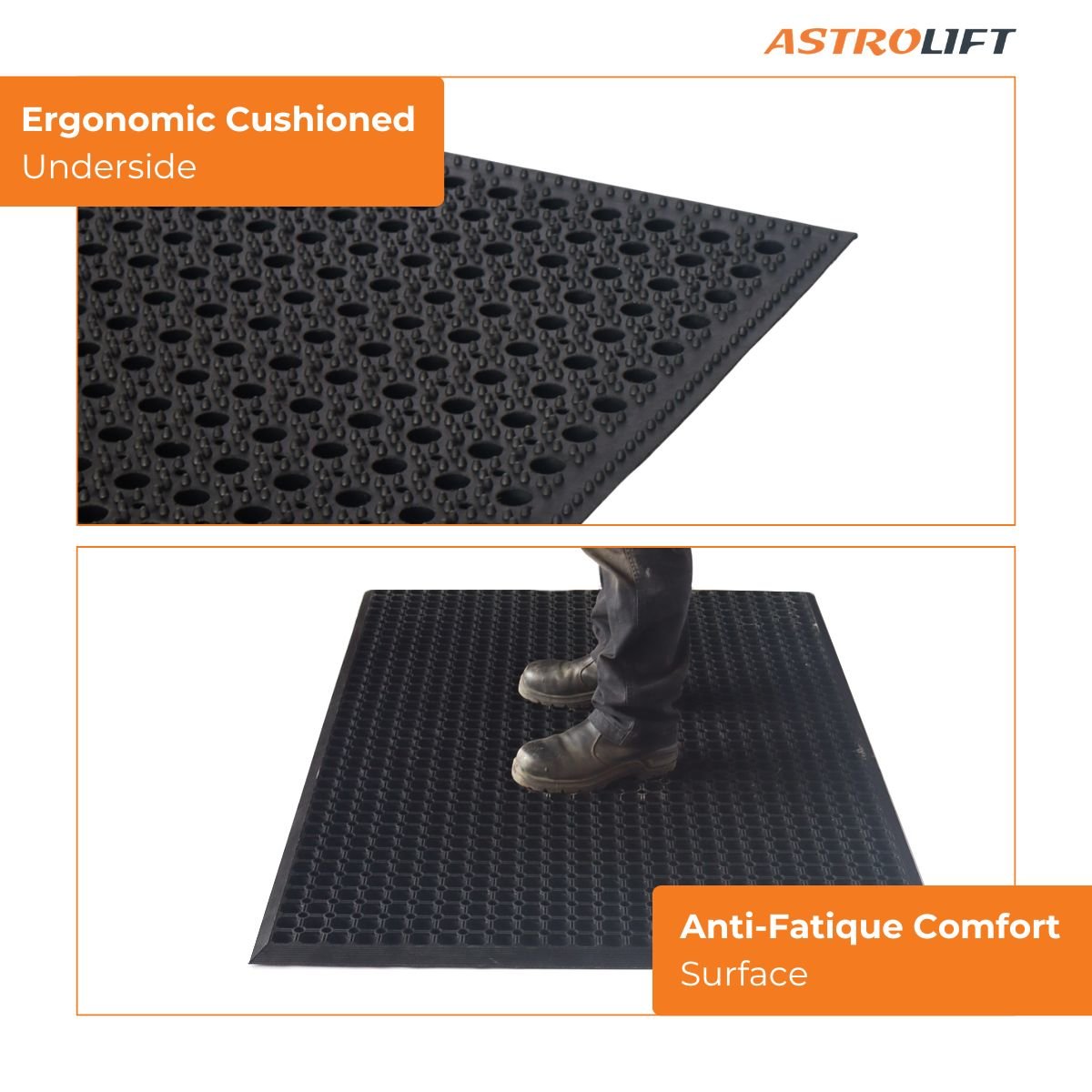
Some industrial mats combine both features, offering cushioning plus slip resistance for environments where safety and comfort are equally important.
How do I maintain anti-slip mats?
Maintenance is essential to performance: Clean regularly to prevent build-up of grease or debris, Inspect for wear, curling edges, or movement, Replace when traction or structural integrity declines
A poorly maintained mat can lose effectiveness and introduce new hazards.