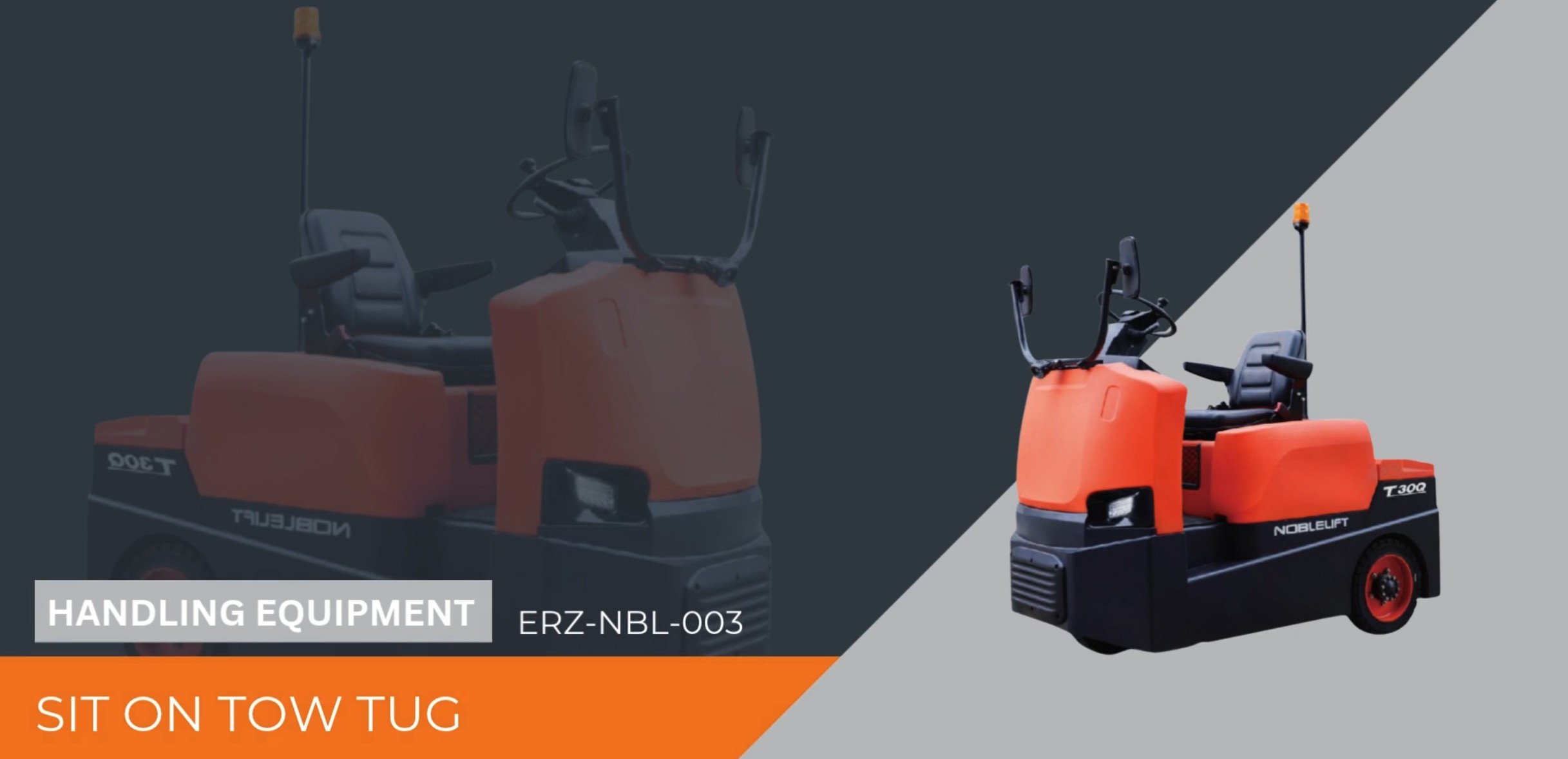
What is a sit-on electric tow tug?
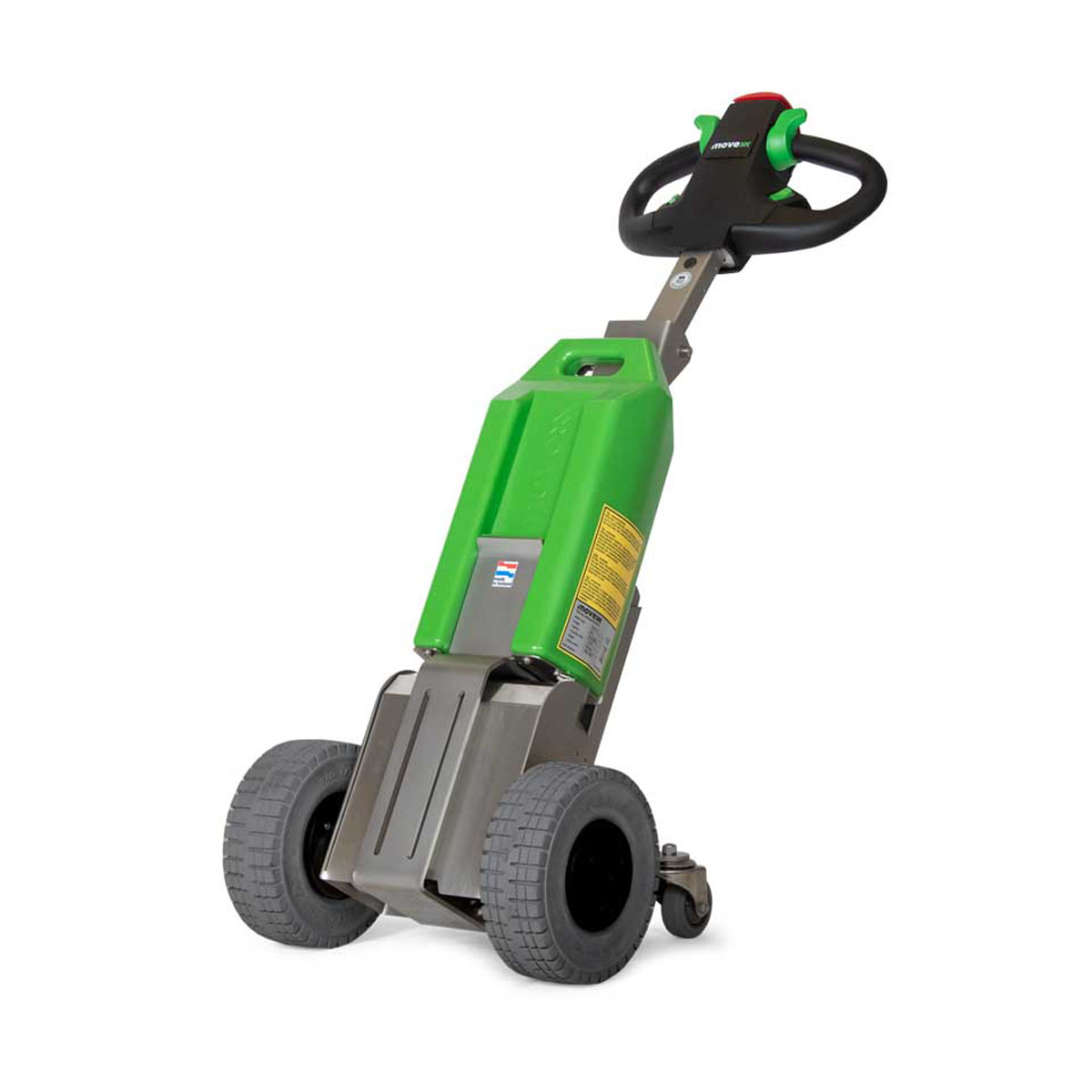
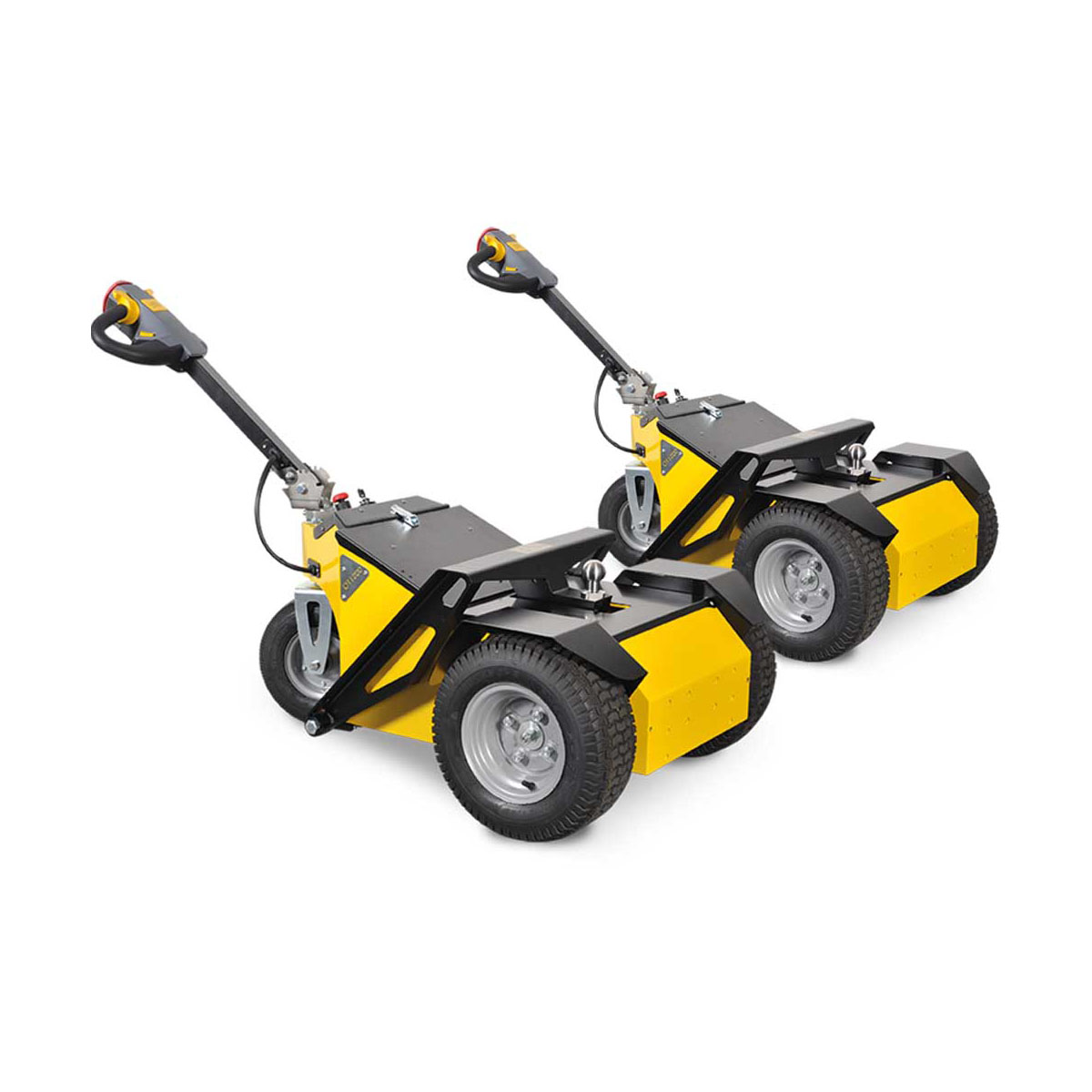
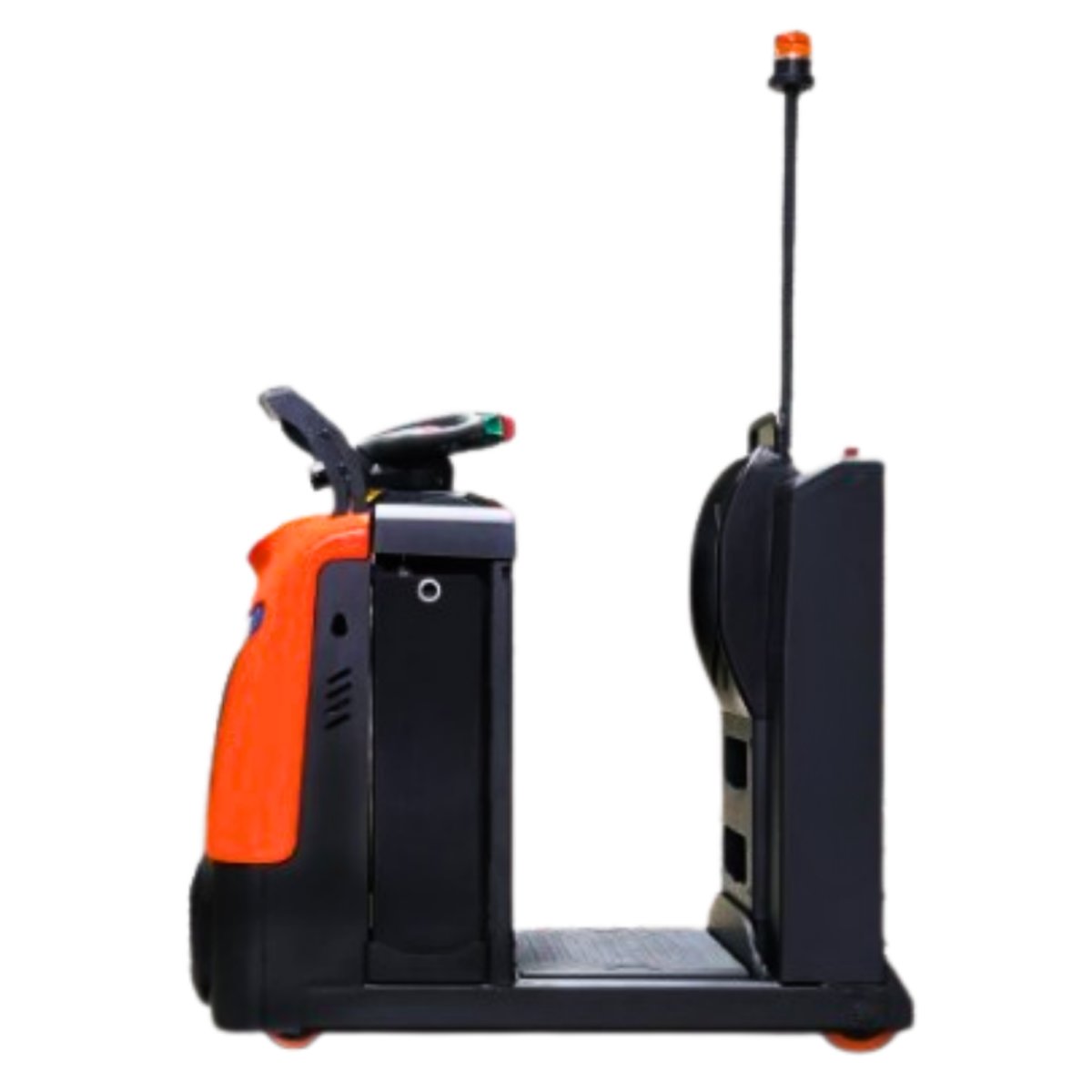
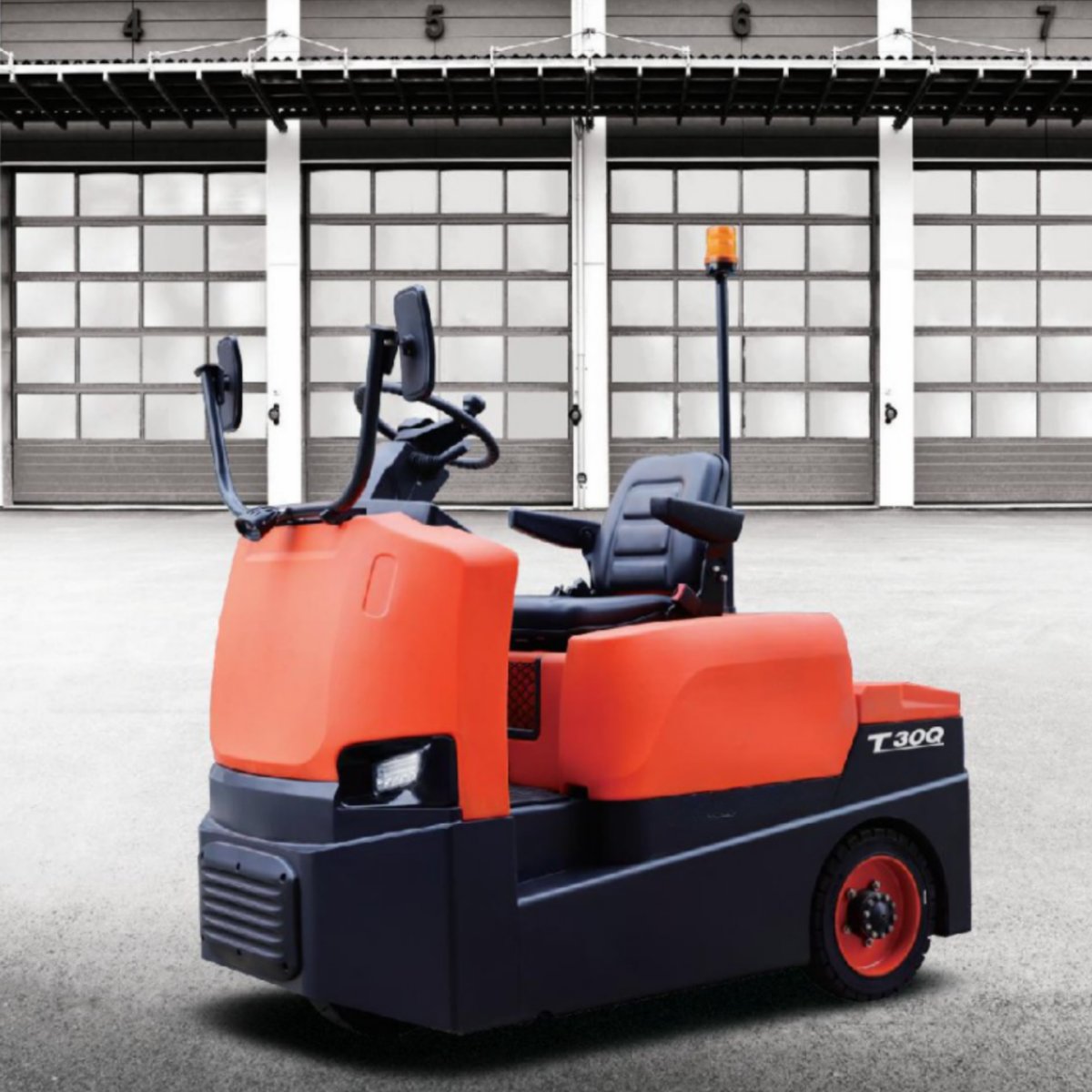
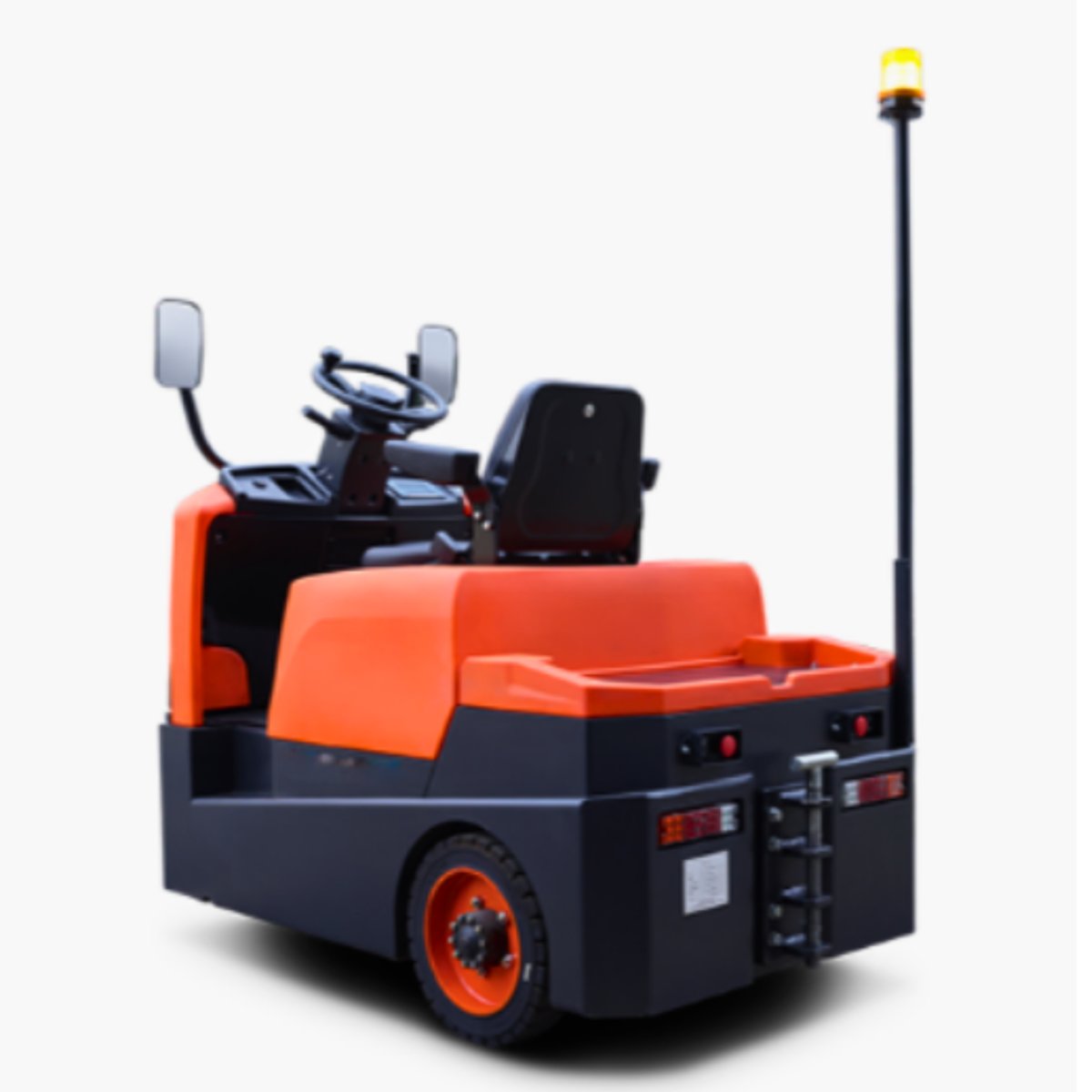
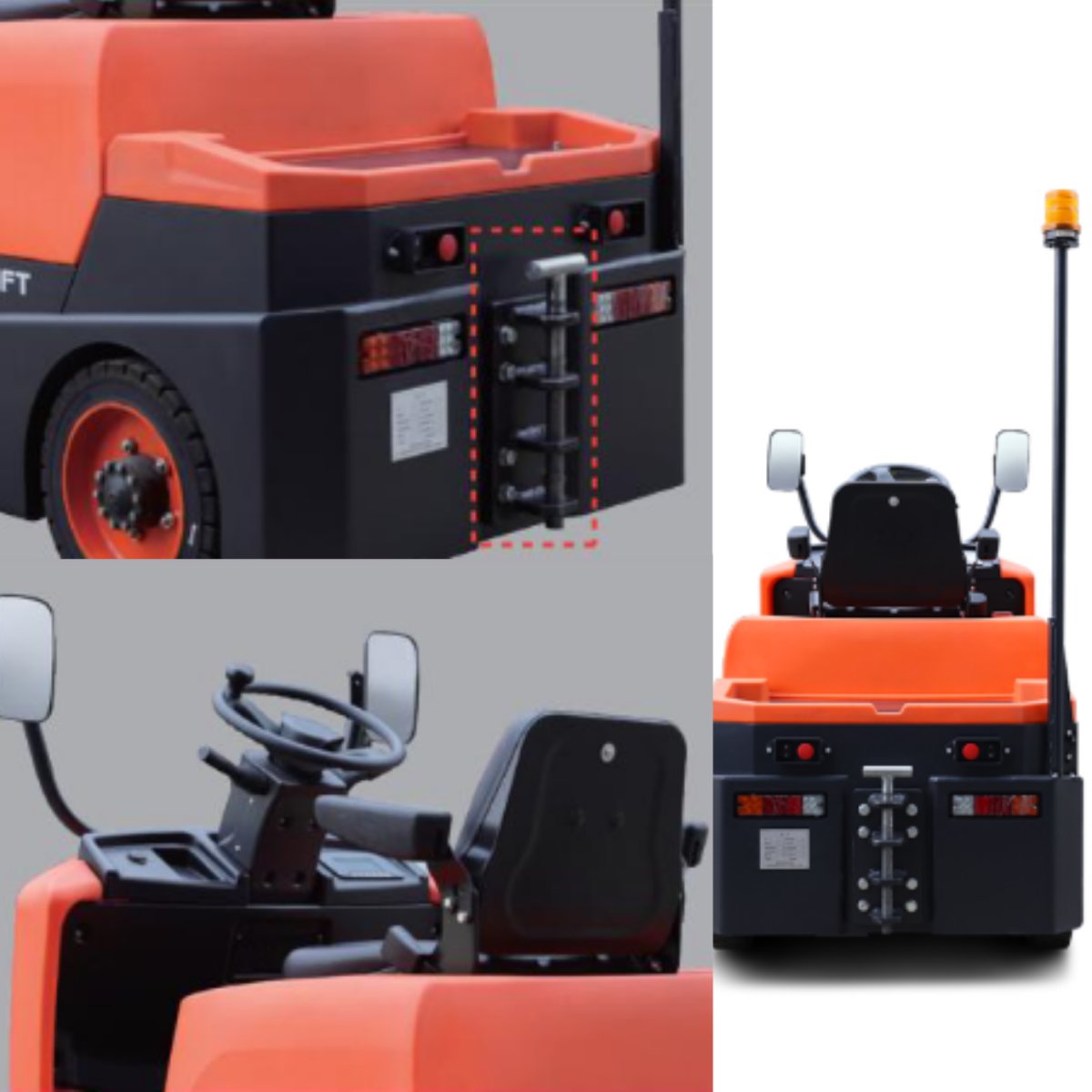
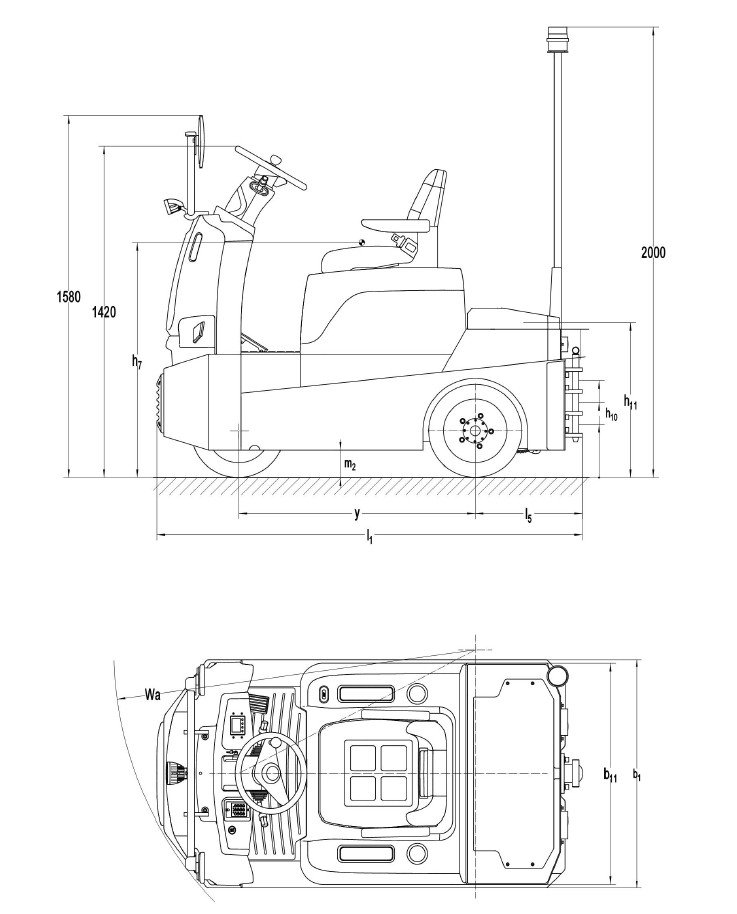
A sit-on electric tow tug is a battery-powered towing vehicle with a seated operator position, designed to move heavy loads efficiently over longer distances.
Unlike pedestrian or walk-behind models, it allows the operator to ride the machine, improving comfort and control during continuous use.
When should I choose a sit-on tow tug instead of a walk-behind model?
A sit-on model is the better choice when:
Loads are moved frequently over long distances,
Operators need to stay on the machine for extended periods,
Productivity and speed are critical.
It’s specifically designed to reduce operator fatigue while maintaining consistent performance across a shift.
What industries typically use sit-on electric tow tugs?
Any environment requiring repetitive, high-volume load movement across distance benefits from a sit-on solution like: Warehousing and logistics, Manufacturing and assembly plants, Airports and large facilities and Distribution centres.
What types of loads can it tow?
Sit-on electric tow tugs are used to move:
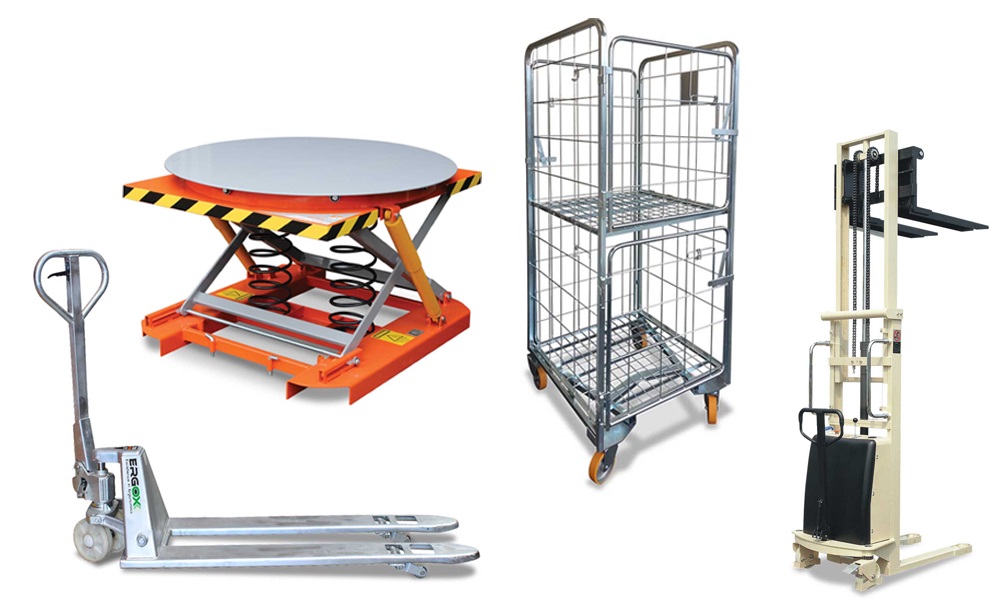
Trolleys and carts,
Pallet dollies,
Trailers and bins,
Custom wheeled equipment,
They are especially effective when loads are already on wheels and need to be moved efficiently across a site.
Can one operator handle multiple loads?
Yes. Sit-on tow tugs can pull trains of trolleys or multiple connected loads, allowing a single operator to move large volumes in one trip—significantly improving efficiency.
Do sit-on electric tow tugs require much maintenance?
Maintenance is generally low compared to traditional equipment. Daily inspection is effective in finding malfunctions or faults on this tractor, like Battery checks and charging cycles, Routine inspection of wheels and drive systems,couplings and controls are functioning properly.
How long is the charging time of the battery to run on a full charge?
The charging time depends on the battery charge status. The time it takes to charge an almost
fully depleted battery depends both on the battery capacity and the charge current. The approximate duration can be calculated as follows:
Charging time = capacity of battery / charge current of battery charger.
Do you provide service and supply parts for the Sit-On Electric Tow Tug?
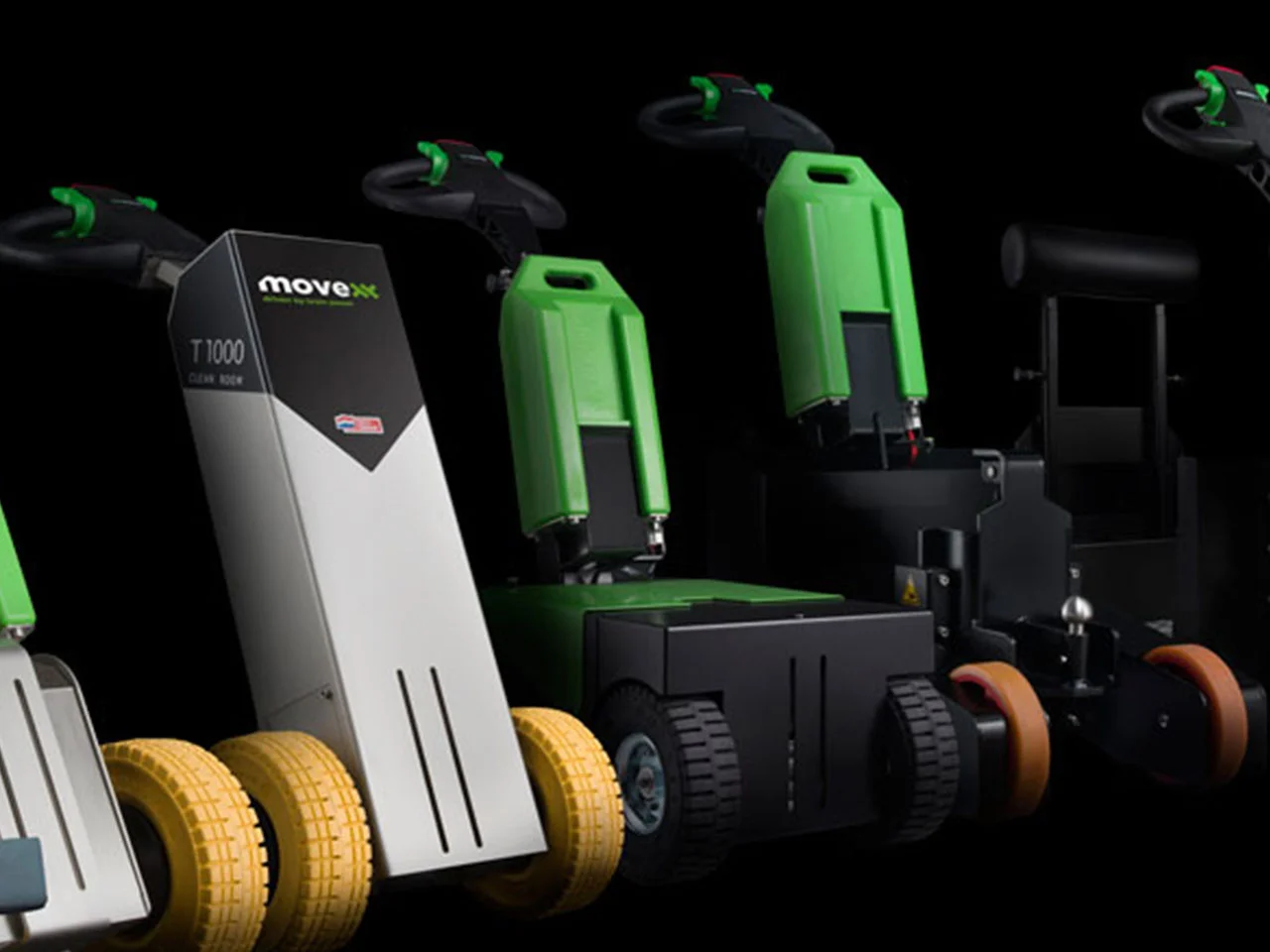
Absolutely!. We serve and provide spare parts for our Astrolift tug range. Just leave us a message on our Request a replacement part page: https://www.astrolift.co.nz/spare-parts



.jpg "Sit-On Electric Tow Tug")
.jpg)
.jpg)
.jpg)