Features & Benefits
Enquire For Price
Add to Quote| Capacity | |
|---|---|
| Capacity (kg) | 2000 |
| Dimensions - Turntable | |
| Diameter (mm) | 1120 |
| External Dimensions | |
| Overall Length (mm) | 1120 |
| Lifting | |
| Lift Height (mm) | 250 - 700 |
Please contact us for bulk quantity purchases.
Frequently Asked Questions
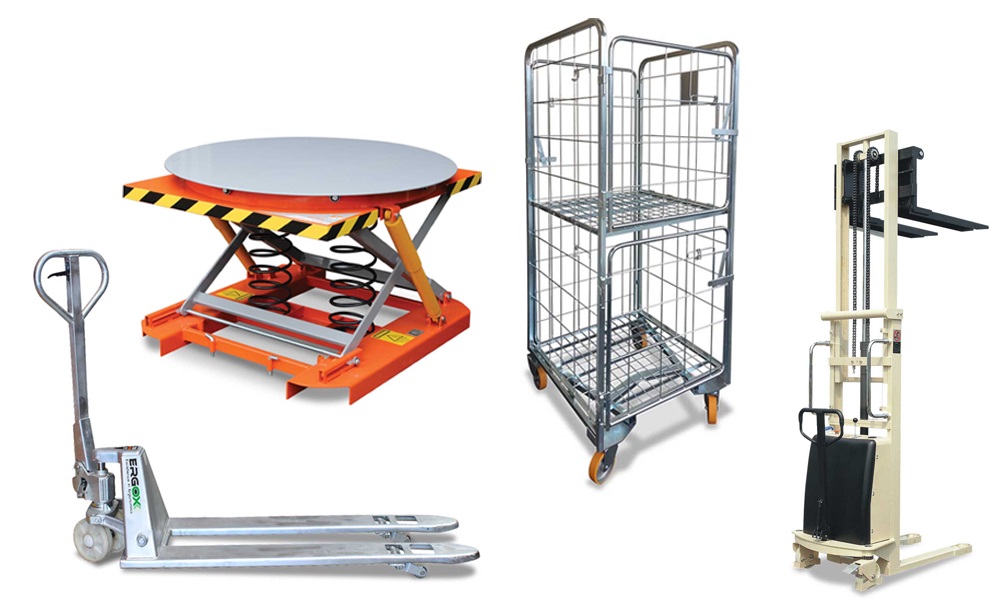
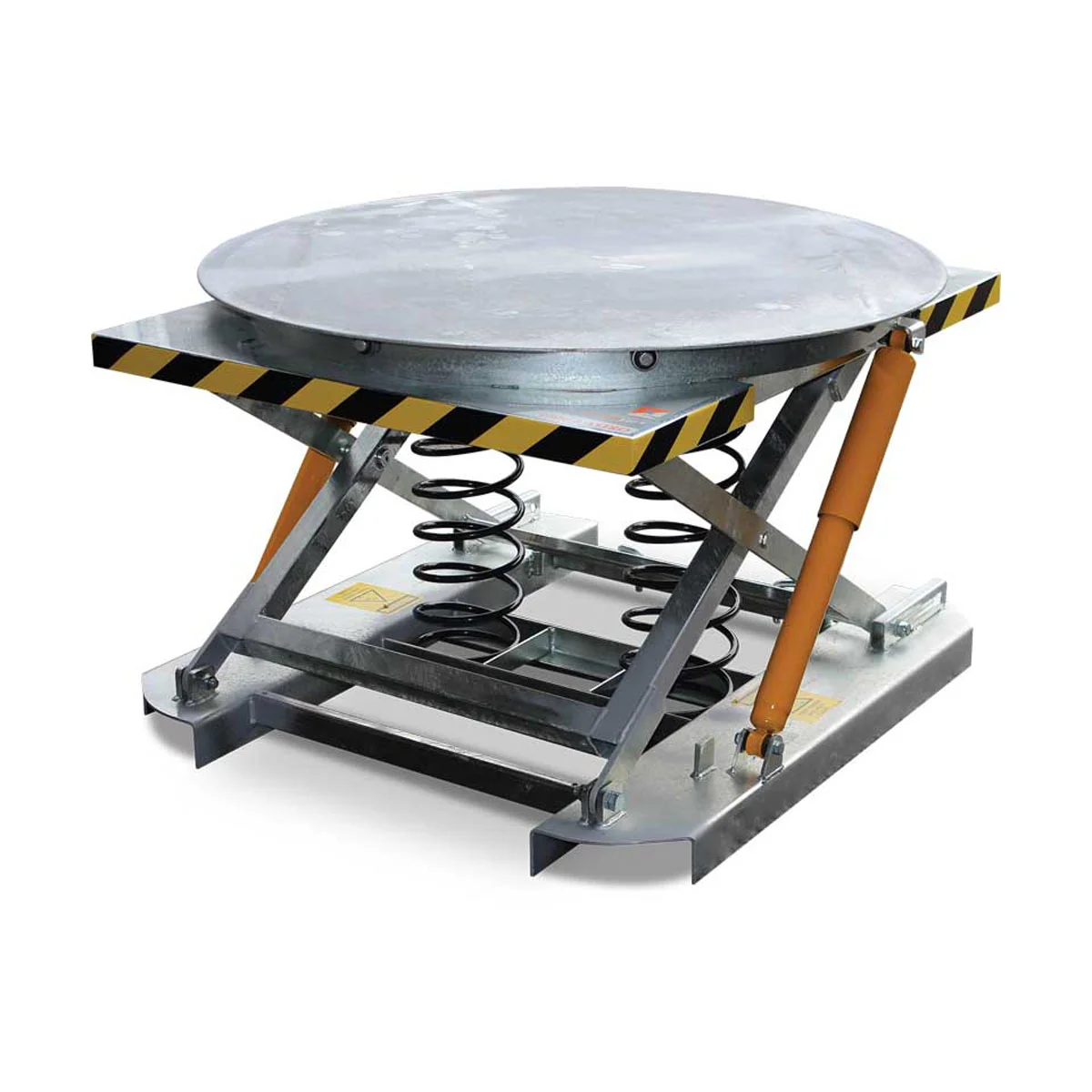
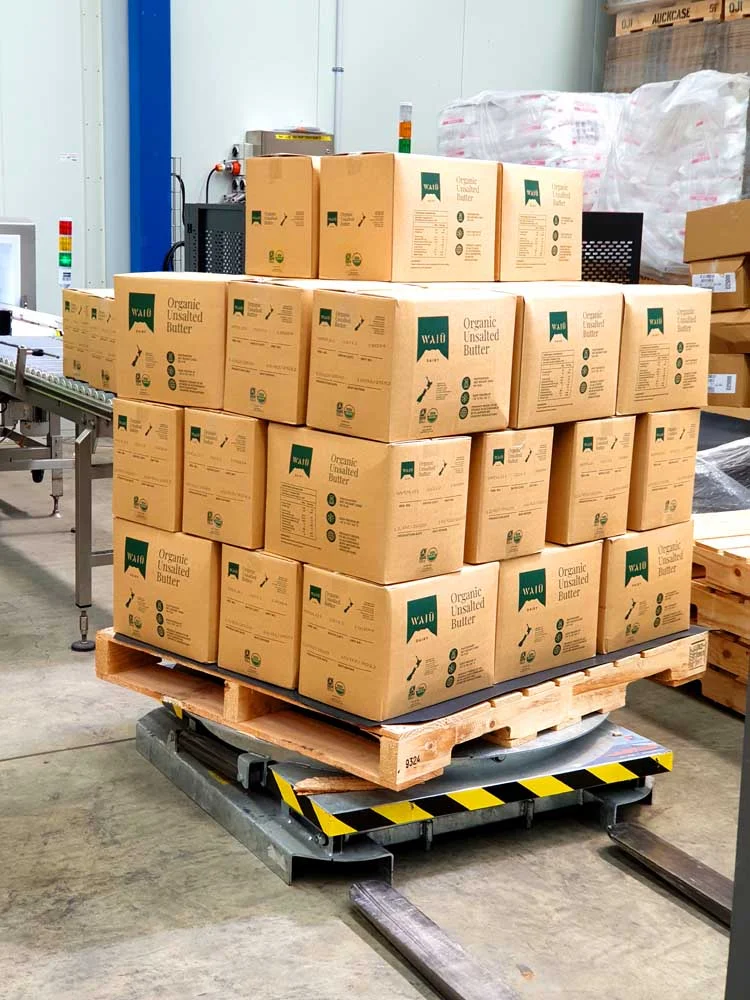
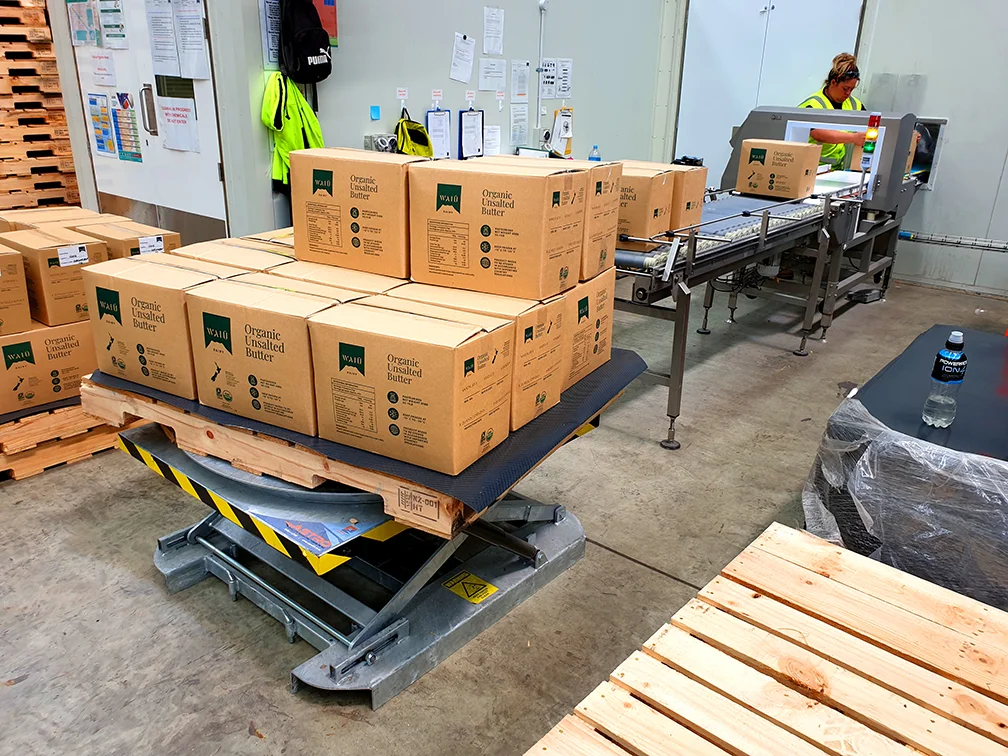
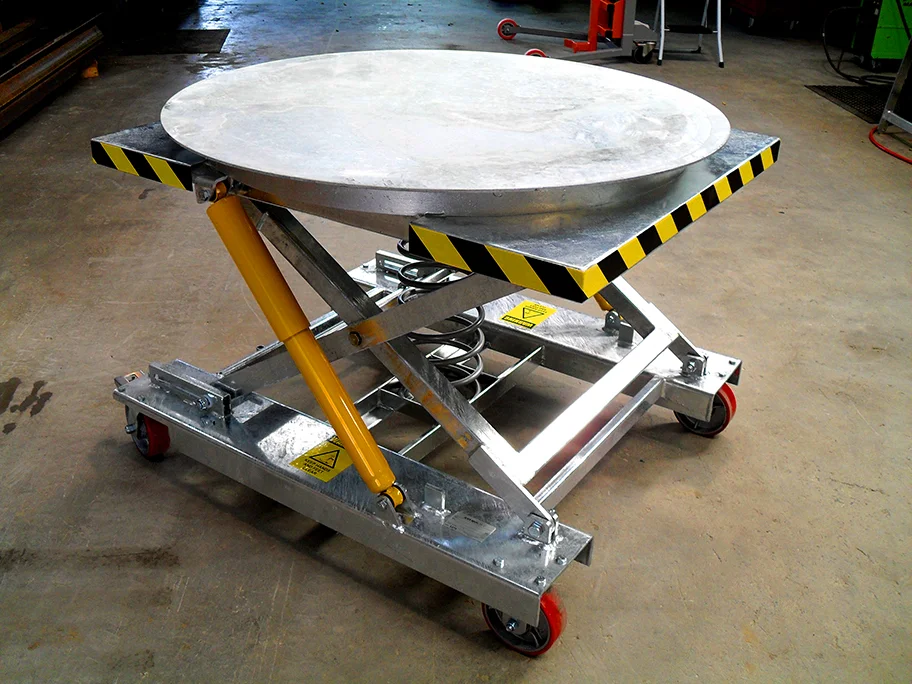
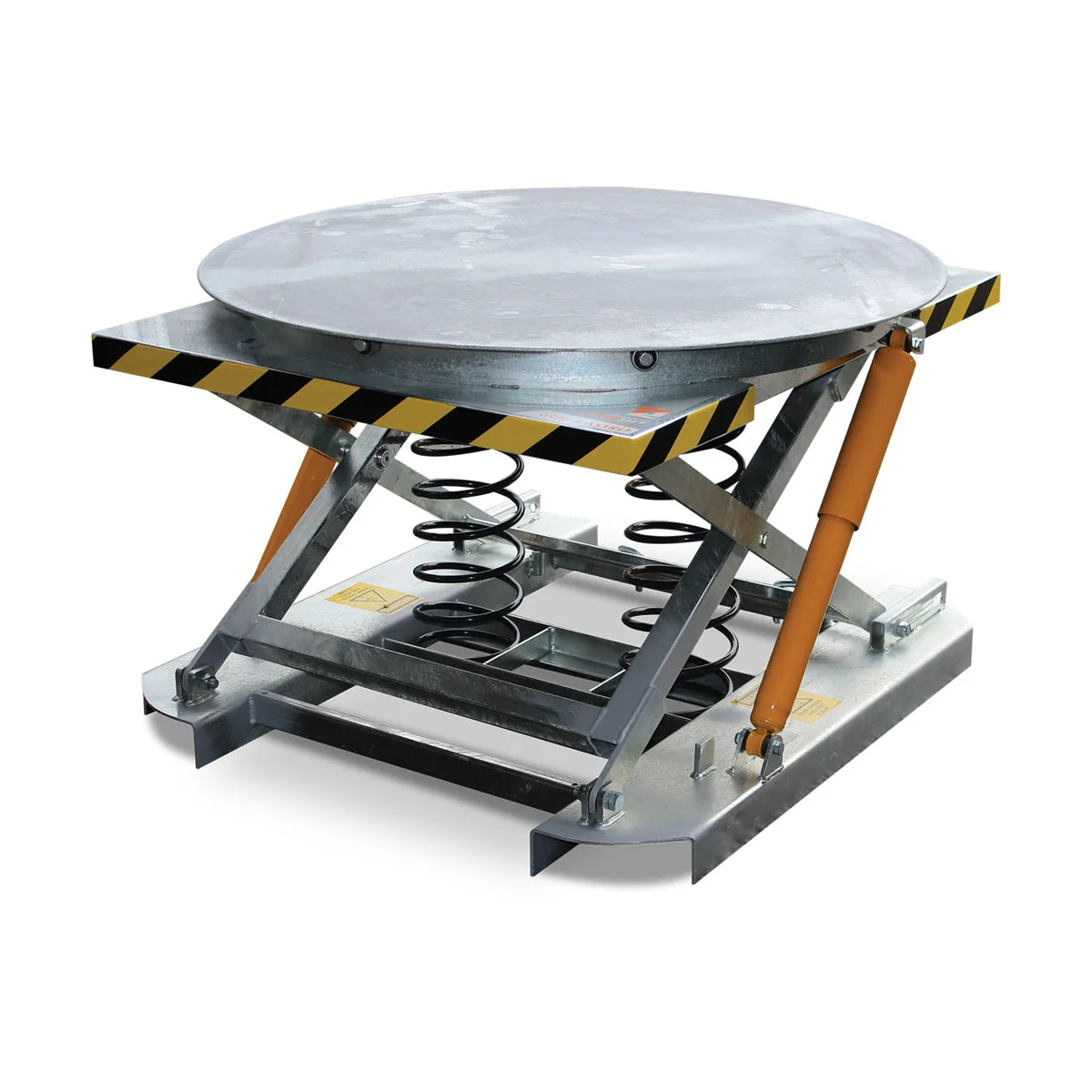
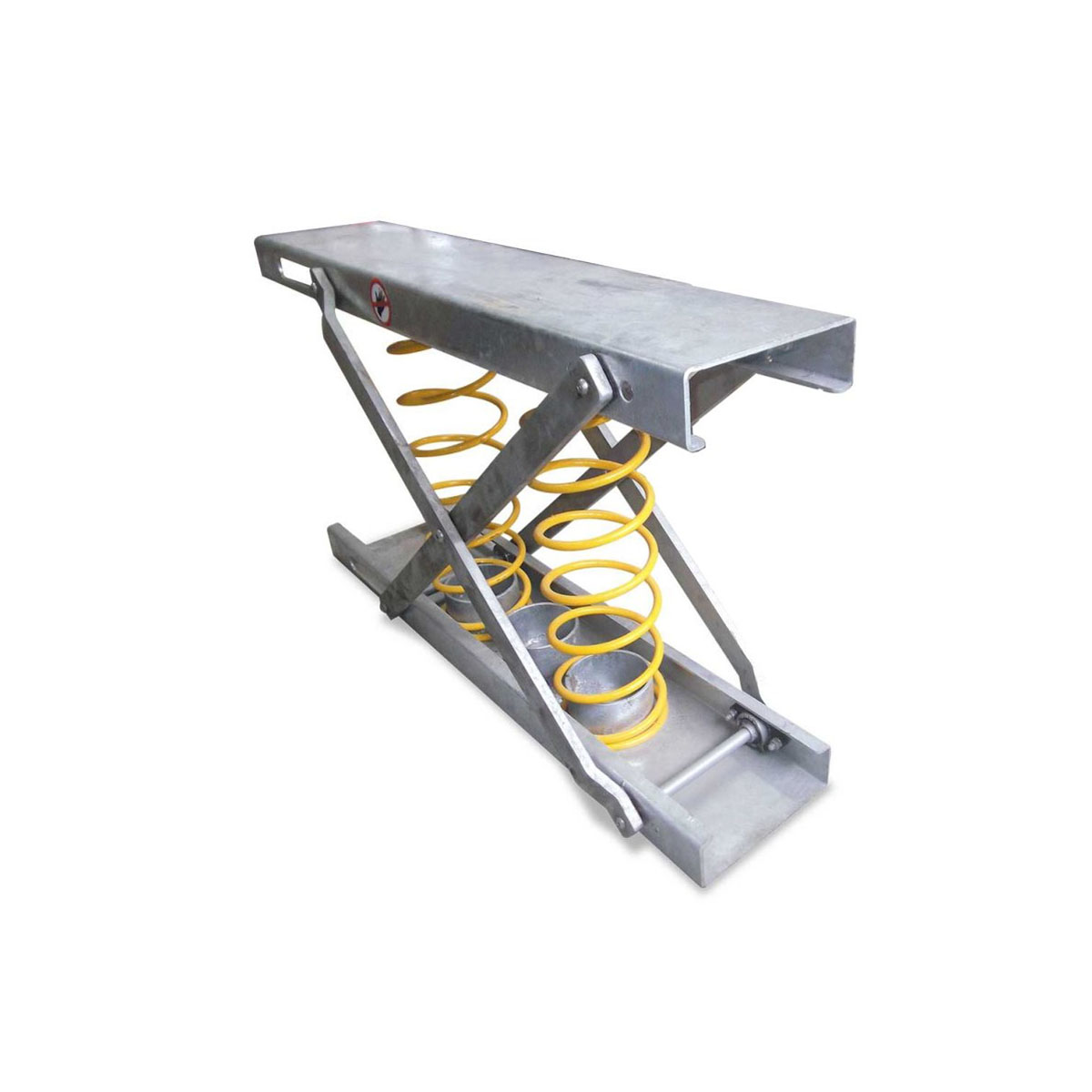
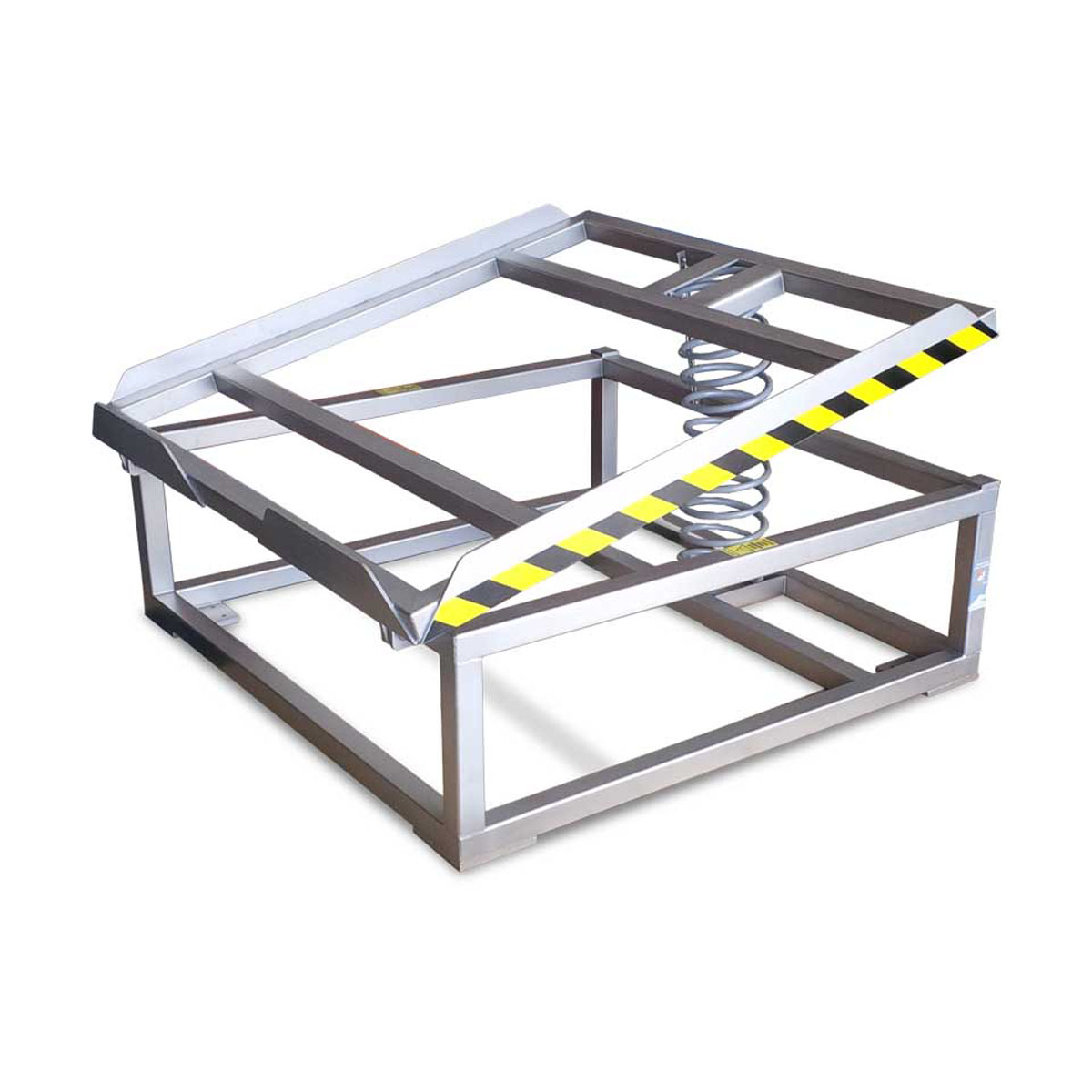
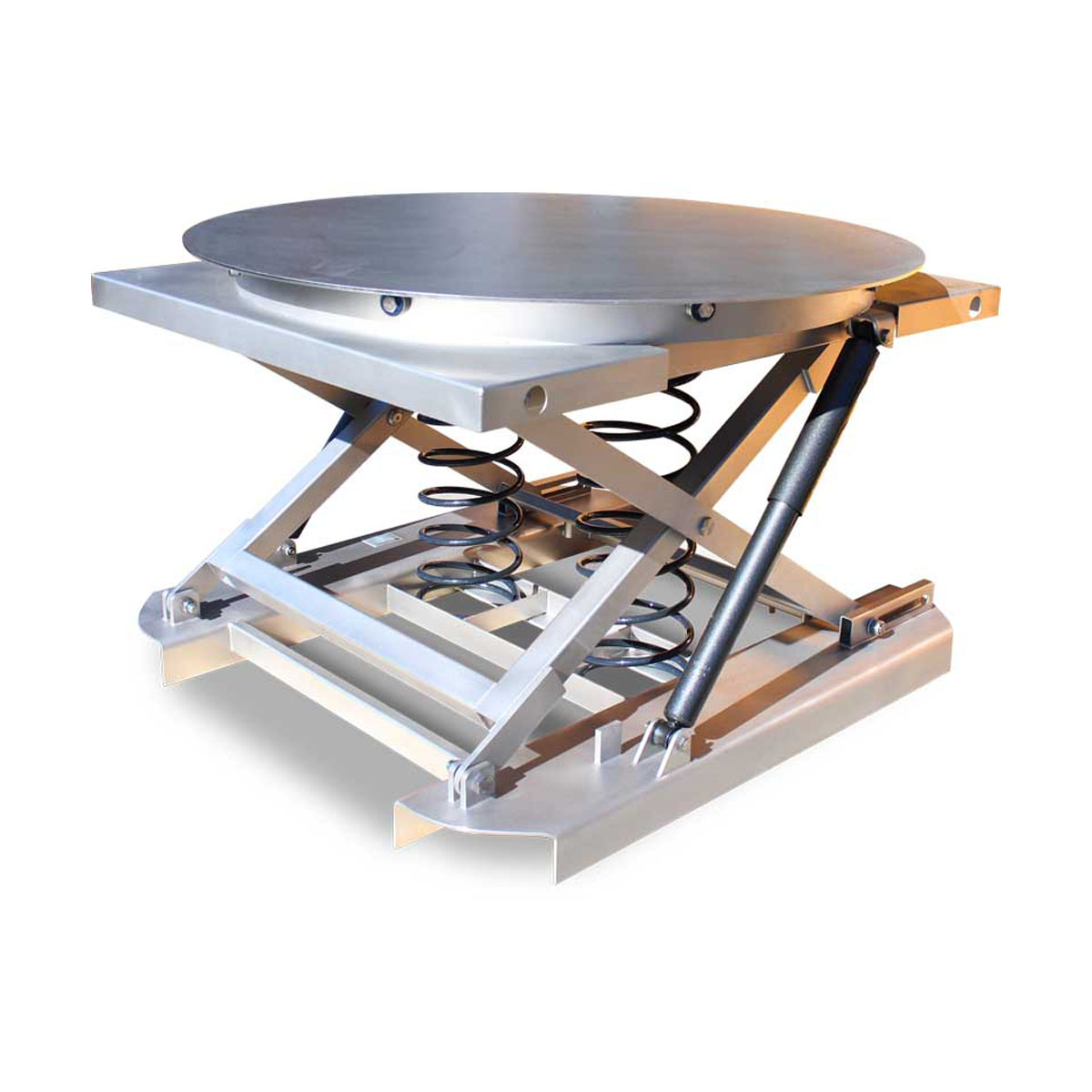
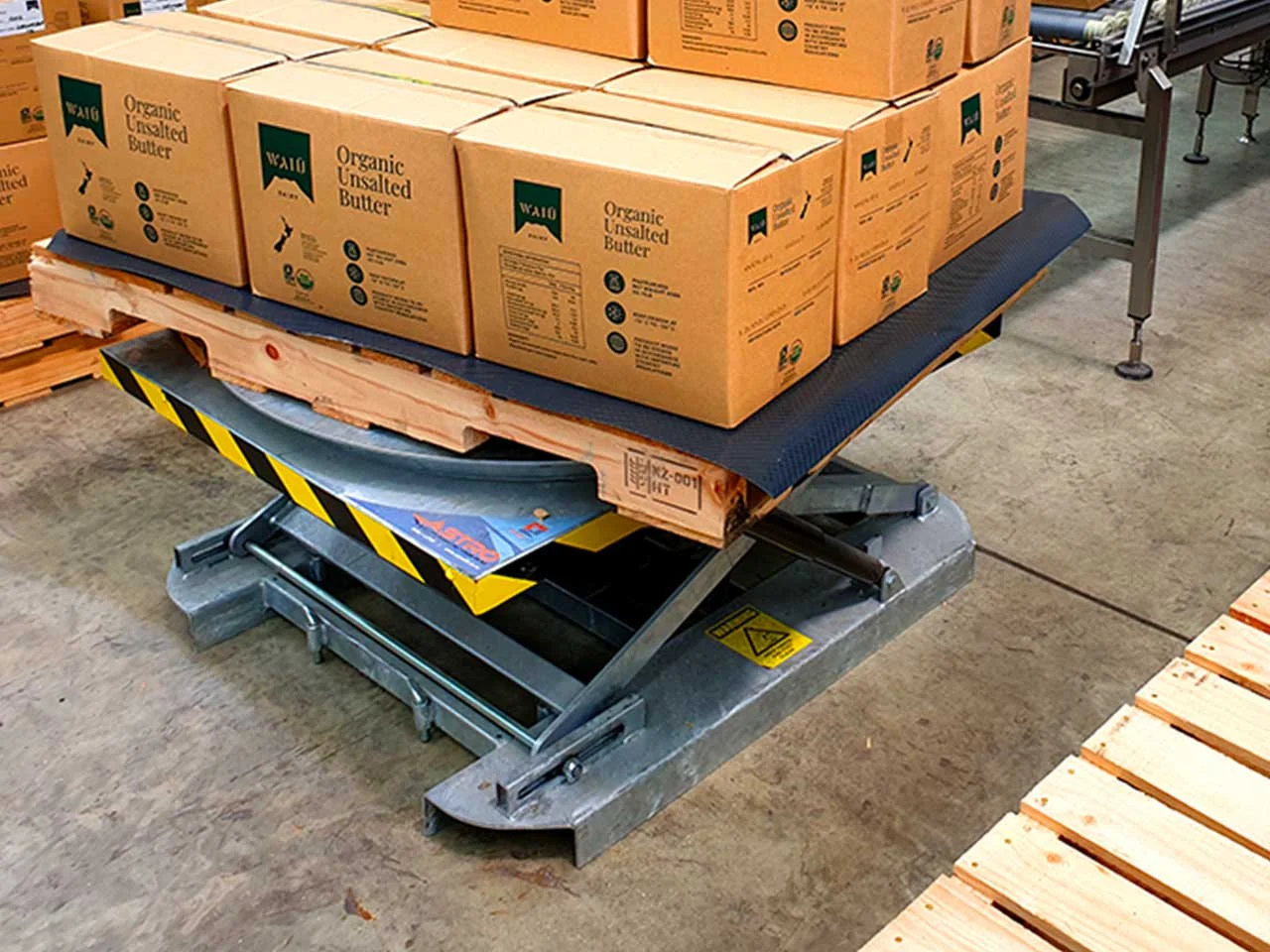
The table uses a set of calibrated compression springs housed within the scissor-lift frame. When a pallet is loaded onto the platform, the combined weight of the pallet and its contents compresses the springs, lowering the table. As items are removed during unloading, the spring force gradually overcomes the remaining load weight, and the platform rises. Because the mechanism responds proportionally to load, the working surface remains at roughly the same height throughout the process without any operator adjustment. There are no motors, pumps, or control panels involved.
This model is rated to a maximum capacity of 2,000 kg and is designed for full-pallet operations in that range. The spring configuration can be adjusted on-site to suit your specific working load. For operations with very light loads (under approximately 300 kg), a different spring configuration or a lighter-duty model may be more appropriate. Contact our team and we can advise the right specification for your application.
No. The table is designed to be free-standing and includes built-in forklift pockets that allow it to be repositioned anywhere on a flat floor surface using a standard forklift or pallet truck — no ground fixings required. This makes it highly versatile across multi-purpose facilities or production lines where workstation layouts may change. That said, the table should always be positioned on a level, solid floor surface, and operators should never use it on an incline.
The spring configuration can be adjusted on-site to alter the table's operating load range. Most models use multiple springs whose combination determines the compression threshold. Removing a spring reduces the total resistance, making the table more responsive to lighter loads. Adding springs increases resistance for heavier loads. Astrolift's technical team can advise on the correct spring combination for your application.
It depends on the type of food environment and the distinction matters. The galvanised table works well in food-adjacent settings such as goods-in zones, dispatch areas, sealed-goods packing rooms, and cool stores. Like the stainless steel model, it runs entirely without electricity, hydraulics, or lubricating fluids, so there is no mechanical contamination risk. Where galvanised steel has limitations is in open-food processing or hygiene-critical areas that require frequent chemical washdowns. The zinc coating resists corrosion well, but it is not as easily sanitised as stainless steel and can degrade over time when exposed to the strong acids and alkaline cleaners used in food-grade facilities. For those environments, the stainless steel model is the right choice.
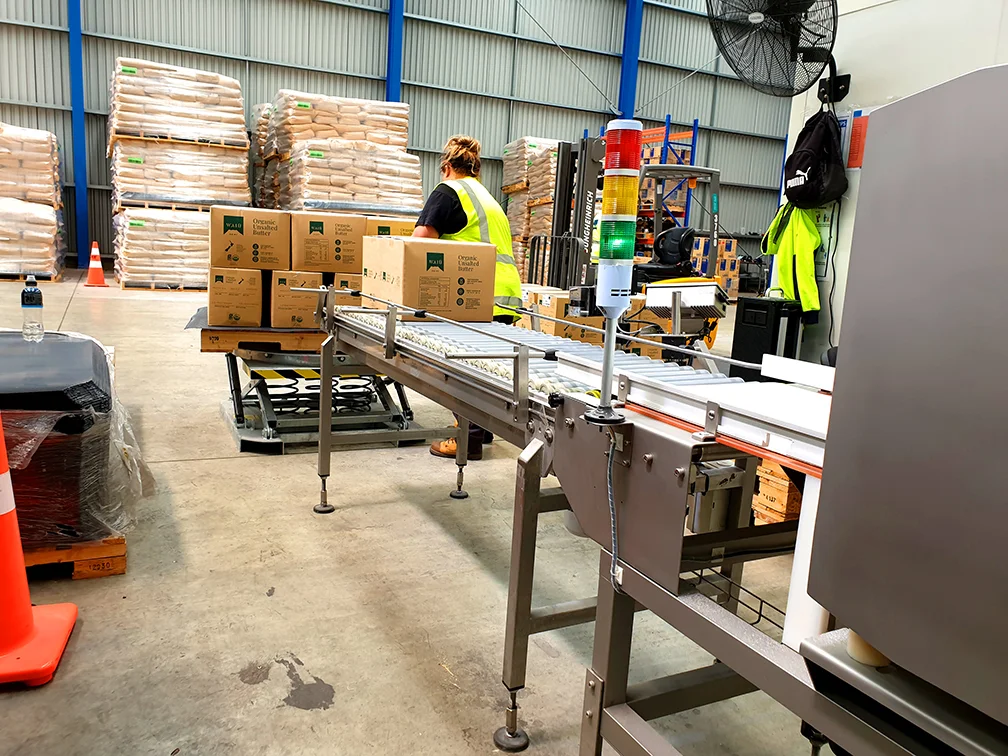
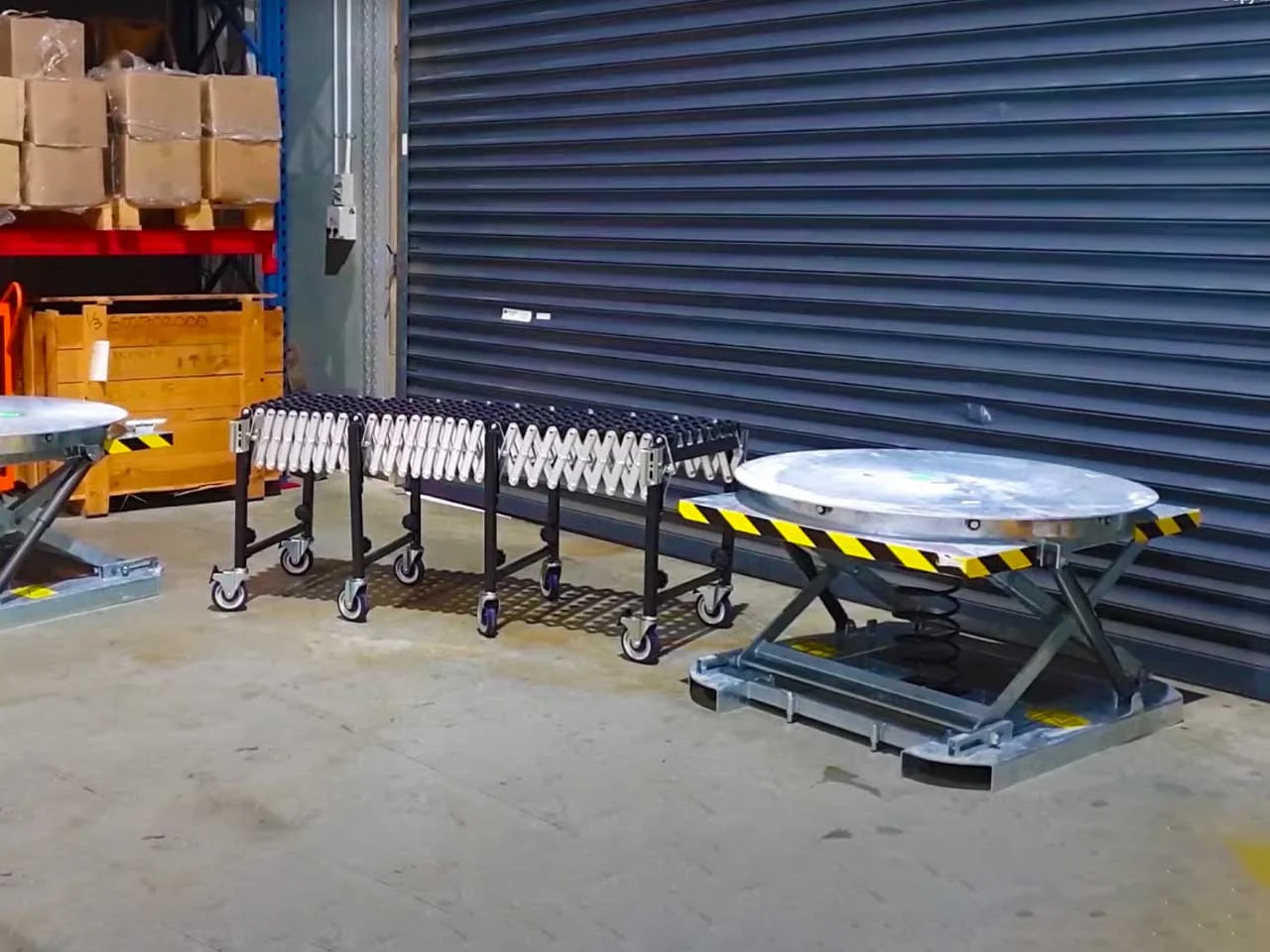
Absolutely. A common and highly effective configuration is to position two spring-loaded tables side by side — or separated by a short section of roller conveyor — to facilitate direct pallet-to-pallet transfer of goods. For example, this setup is frequently used to transfer products from wooden shipping pallets to hygienic plastic pallets for internal circulation, or to consolidate partial pallets. Because each table independently adjusts to its own load weight, both working surfaces remain at ergonomic height simultaneously, and the operator can transfer items between them without bending to floor level.
For facilities that require frequent repositioning without forklift assistance, an optional castor kit is available. The heavy-duty castors allow the table to be manually wheeled to a new location and locked in place before use, preventing any movement during operation. This eliminates repeated forklift manoeuvring in working areas, reducing both congestion and the associated collision risks in pedestrian zones.
This unit comes with two "Keep Hands & Feet Clear" warning decals fixed to both sides of the base frame, and high-visibility black-and-yellow hazard stripe markings run around the full perimeter of the table top. These are permanent, factory-applied features — not optional add-ons. Operators should always load and unload from above the rotating top and must never reach alongside or underneath the scissor mechanism while the platform is in motion.
The spring-driven mechanism provides inherent overload protection by design. Once the springs reach full compression under maximum load, the platform simply rests at its lowest position.
The Locking Pins are a built-in mechanical safety device that physically hold the scissor frame in the raised position, preventing the platform from dropping unexpectedly during maintenance or spring changes. They must be engaged before the Rotating Top is lifted off and before any work is carried out on the internal spring assembly or components.
Spring-loaded lift tables have minimal maintenance requirements compared to powered alternatives. Periodic inspection of the spring assemblies, scissor arms, and pivot pins is recommended, typically every three to six months depending on usage intensity. Lubrication of the scissor pivot points and spring mounting hardware ensures smooth operation and extends service life. In wet or washdown environments, inspect the galvanised coating annually for any areas where the zinc layer may have been mechanically damaged. Astrolift's nationwide technician network can provide scheduled servicing and genuine replacement parts.