Can I lift a fully loaded 2,000kg bulk bag with any 2-tonne forklift?
Not necessarily. The 2,000kg rating is the attachment's stated capacity, not a guarantee that every 2-tonne forklift can safely lift the same load.
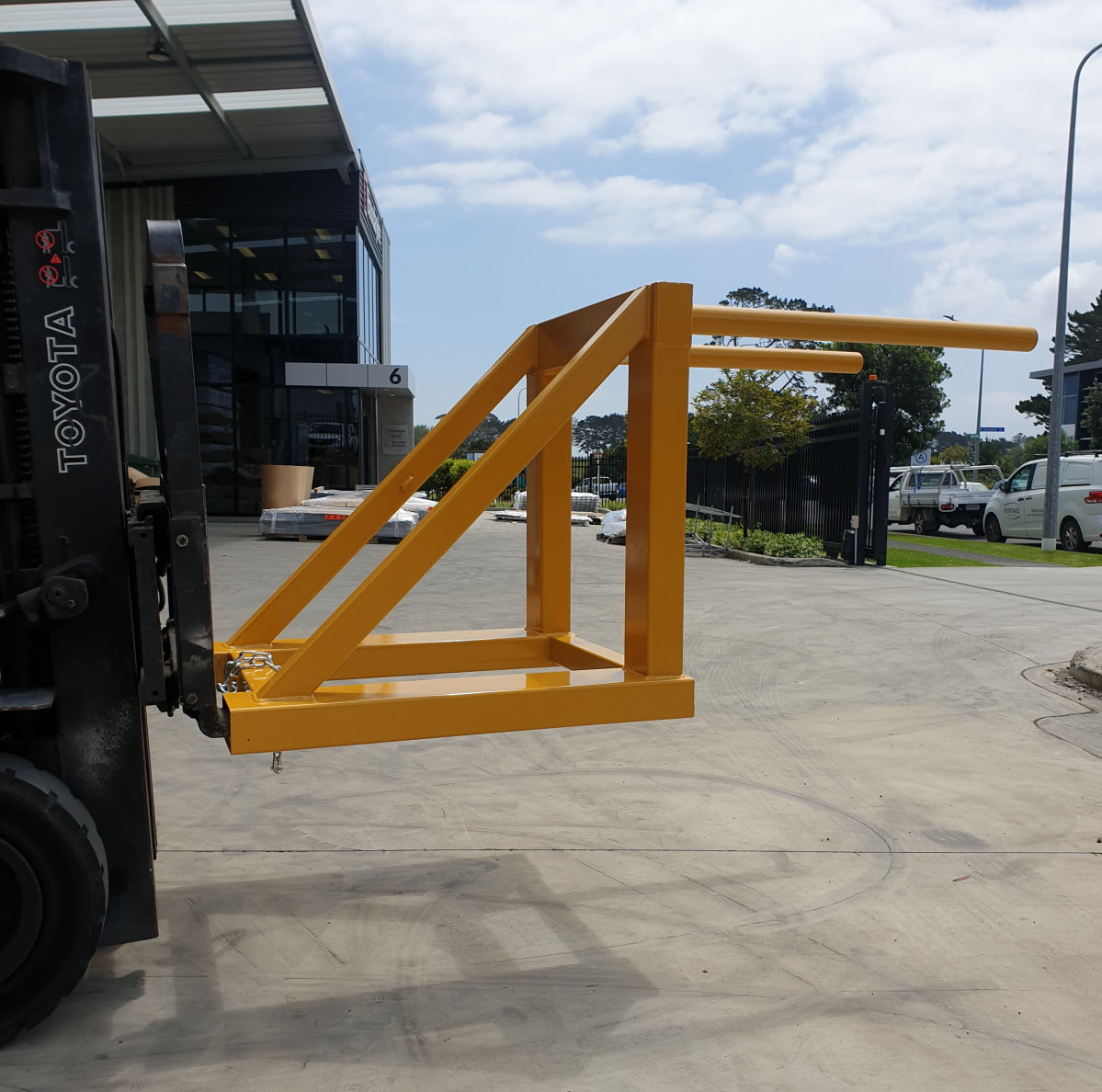
The attachment's 1,700mm load centre, its own weight and the weight and position of the bulk bag all affect the forklift's residual lifting capacity. Always check the forklift's capacity chart for the complete configuration, including the attachment, and confirm suitability with the forklift supplier or a competent person before use.
Can I use it to unload bulk bags from shipping containers?
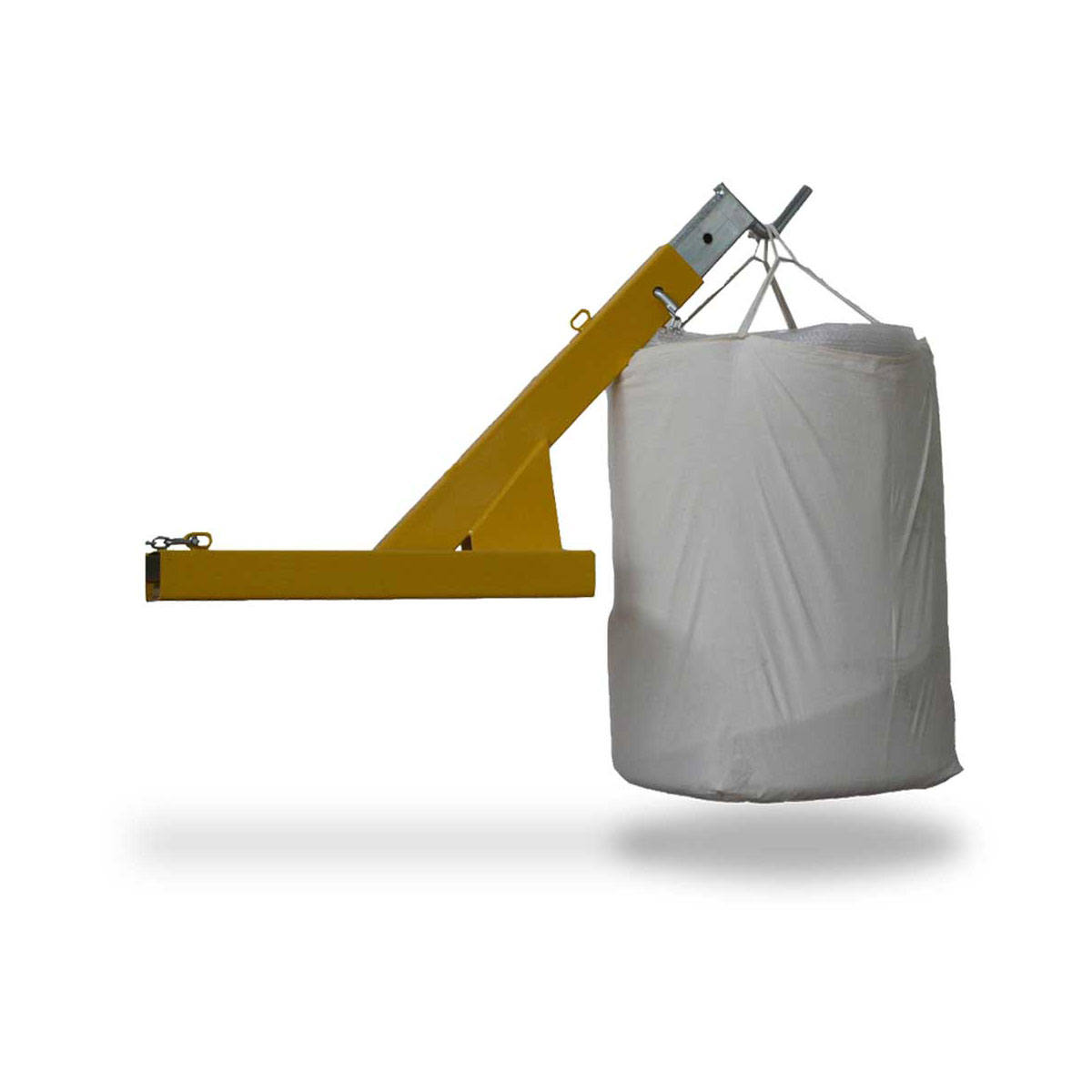
Yes. This attachment is specifically designed for lifting bulk bags in applications such as unloading shipping containers and working in areas where overhead clearance is limited.
Before use, check the available container height, doorway clearance, forklift mast height and turning space. Allow enough clearance to lift and manoeuvre the bag without striking the container roof, walls or door frame. The forklift and attachment must also remain within their rated operating limits.
Can I lift bulk bags containing different materials, such as fertiliser, grain, sand or aggregates?
The attachment is designed for bulk-bag handling, but the suitability of each load depends on its total weight, bag construction and lifting-loop arrangement.
A 2,000kg capacity does not mean every bag containing 2,000kg of material is suitable. Check the bag's rated capacity, condition and lifting-loop integrity before each lift. Consider the material's density and whether the bag is likely to shift or deform during handling. Damaged, contaminated or deteriorated lifting loops should not be used.
What safety checks should operators complete before lifting a bulk bag?
Operators should carry out checks on both the attachment and the bag before every lift.
Key checks include:
- Inspect the attachment for cracks, deformation, damaged welds or other visible defects.
- Check the fork pockets and safety chain for damage and correct securing.
- Inspect the bulk bag for cuts, tears, worn seams and damaged lifting loops.
- Ensure the lifting loops are correctly positioned and supported by the attachment.
- Confirm the bag weight is within the attachment's working load limit and the forklift's residual capacity.
- Keep people clear of the suspended load and never allow anyone underneath it.
The attachment should also be included in the forklift's regular inspection routine